

Introduction
Thukpa is one of the most beloved comfort foods across the Himalayan region, especially in Ladakh, Sikkim, Arunachal Pradesh, Nepal, Bhutan, and Tibet. Known for its rich broth, fresh vegetables, tender noodles, and flavorful seasonings, this warm noodle soup has become a favorite among locals and travelers alike.
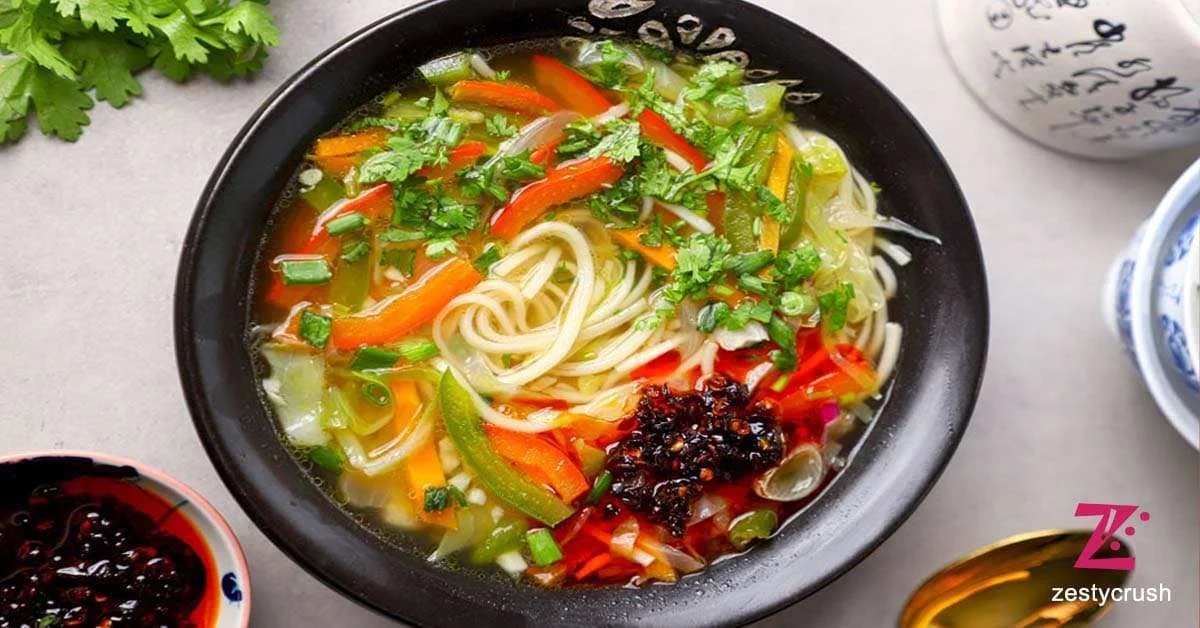
Perfect for cold mountain climates, Thukpa is more than just a meal—it’s a reflection of Himalayan culture and hospitality. Whether enjoyed after a long trek or during a chilly evening, this wholesome dish offers nourishment and warmth in every bowl.
What is Thukpa?
Thukpa is a traditional noodle soup consisting of hand-pulled or wheat noodles served in a flavorful broth with vegetables, herbs, and either meat or tofu. Depending on the region and personal preference, it may include chicken, mutton, yak meat, beef, or simply a vegetarian combination of seasonal vegetables.

 8°C
8°C
- Temperature
- Rain Chance
- Wind

The broth is typically seasoned with garlic, ginger, onions, green chilies, black pepper, soy sauce, and aromatic Himalayan spices. The result is a mildly spicy, savory soup with a comforting depth of flavor.
Thukpa holds great cultural significance in Himalayan communities. It is commonly prepared during winter, family gatherings, festivals, and celebrations, symbolizing warmth, togetherness, and nourishment.
Origin and History
The origins of Thukpa can be traced back to Tibet, where it has been enjoyed for centuries as a staple meal suited to the harsh mountain climate. The word “Thukpa” comes from the Tibetan language, where “thuk” refers to noodles and “pa” generally denotes a prepared dish.
As trade routes connected Tibet with neighboring Himalayan regions, Thukpa gradually spread to Ladakh, Nepal, Bhutan, and the northeastern states of India. Each region adapted the recipe using local ingredients and cooking techniques.
Today, Ladakhi Thukpa remains one of the region’s most iconic dishes, often served in homes, roadside cafés, monasteries, and local restaurants. Its growing popularity has also introduced it to major cities across India and around the world.
Ingredients
Although recipes vary, the main ingredients of traditional Thukpa include:
- Wheat noodles or handmade noodles
- Vegetable or meat broth
- Onion
- Garlic
- Ginger
- Tomatoes
- Carrots
- Cabbage
- Spinach or leafy greens
- Spring onions
- Green chilies
- Black pepper
- Soy sauce
- Coriander leaves
- Chicken, mutton, yak meat, beef, tofu, or mushrooms (optional)
Fresh vegetables play an important role in balancing the richness of the broth while adding nutrition and texture.
How It Is Prepared
Preparing Thukpa is relatively simple, though the slow-cooked broth gives it its signature depth of flavor.
First, garlic, ginger, and onions are sautéed until fragrant. Vegetables are then added along with the preferred meat or tofu. Water or stock is poured in, and the mixture is simmered to develop a rich, savory broth.
Meanwhile, wheat noodles are cooked separately until tender. Once ready, the noodles are placed into serving bowls and topped with the hot broth, vegetables, and meat. Finally, the dish is garnished with chopped spring onions, coriander, and a dash of black pepper or chili for extra flavor.
The result is a steaming bowl of hearty noodle soup that’s both satisfying and nutritious.
Variations
Over time, several regional and modern variations of Thukpa have emerged.
Vegetable Thukpa
Prepared entirely with fresh vegetables, this version is popular among vegetarians and offers a light yet flavorful meal.
Chicken Thukpa
One of the most common versions, chicken Thukpa features tender chicken pieces simmered in aromatic broth with vegetables and noodles.
Mutton Thukpa
This richer variation uses mutton for a heartier and more robust flavor, making it especially popular during winter.
Tibetan Thukpa
Traditional Tibetan Thukpa typically has a simpler broth and emphasizes handmade noodles, reflecting its original heritage.
Ladakhi Thukpa
Ladakhi Thukpa often incorporates locally grown vegetables and regional seasonings, resulting in a slightly earthier and more aromatic taste.
Modern Fusion Thukpa
Many contemporary restaurants now experiment with seafood, paneer, mushrooms, extra spices, or even spicy Indo-Chinese flavors to create innovative versions of this classic dish.
Why You Should Try It
Thukpa is much more than an ordinary noodle soup.
Its rich broth delivers comforting warmth, while the combination of vegetables, noodles, and protein creates a complete, balanced meal. Every spoonful offers layers of flavor—from the freshness of herbs to the subtle heat of ginger and chili.
For travelers exploring Ladakh or the Himalayas, enjoying a bowl of authentic Thukpa is an essential culinary experience. It represents centuries of Himalayan tradition and showcases the simple yet wholesome cooking style of mountain communities.
Because it is filling, nutritious, and customizable, Thukpa appeals to vegetarians, meat lovers, and adventurous food enthusiasts alike.
Where to Try It
If you’re looking for authentic Thukpa, these destinations are among the best places to experience it:
Ladakh
Leh is home to numerous family-run restaurants and cafés serving traditional Ladakhi Thukpa made with locally sourced ingredients.
Tibet
Traditional Tibetan eateries continue to prepare Thukpa using time-honored recipes passed down through generations.
Sikkim
Gangtok offers several restaurants specializing in authentic Himalayan cuisine, including flavorful bowls of Thukpa.
Arunachal Pradesh
Many local eateries serve regional versions featuring fresh mountain vegetables and locally sourced meats.
Nepal
Kathmandu and Pokhara have numerous Tibetan restaurants where visitors can enjoy classic Thukpa alongside momos and butter tea.
Major Indian cities such as Delhi, Bengaluru, and Mumbai also feature Himalayan restaurants that serve excellent versions of this iconic noodle soup.
FAQs
Is Thukpa vegetarian?
Yes. Vegetable Thukpa is widely available and is made with fresh vegetables, herbs, noodles, and flavorful vegetable broth.
Is Thukpa spicy?
Traditional Thukpa is usually mildly spicy. However, the spice level can easily be adjusted by adding more or fewer chilies.
What type of noodles are used in Thukpa?
Most recipes use wheat noodles, although handmade noodles are commonly preferred in traditional Himalayan cooking.
Is Thukpa healthy?
Yes. Thukpa is generally considered a nutritious meal because it combines vegetables, broth, protein, and carbohydrates in one balanced dish.
What is the best time to eat Thukpa?
Thukpa is especially enjoyable during cold weather, making it a favorite winter meal in Himalayan regions. However, it can be enjoyed throughout the year.
Conclusion
Thukpa is one of the Himalayas’ most comforting and iconic dishes, celebrated for its rich flavors, nourishing ingredients, and deep cultural roots. Originating in Tibet and embraced across Ladakh, Nepal, Bhutan, and northeastern India, this hearty noodle soup continues to delight food lovers around the world.
Whether you choose a traditional Ladakhi recipe or a modern variation, Thukpa offers a memorable culinary experience that combines warmth, nutrition, and authentic Himalayan hospitality. If you ever visit the mountains, don’t miss the opportun