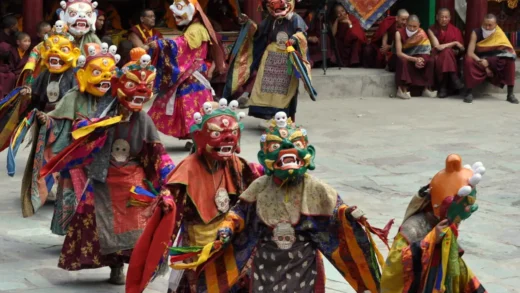


Changpa
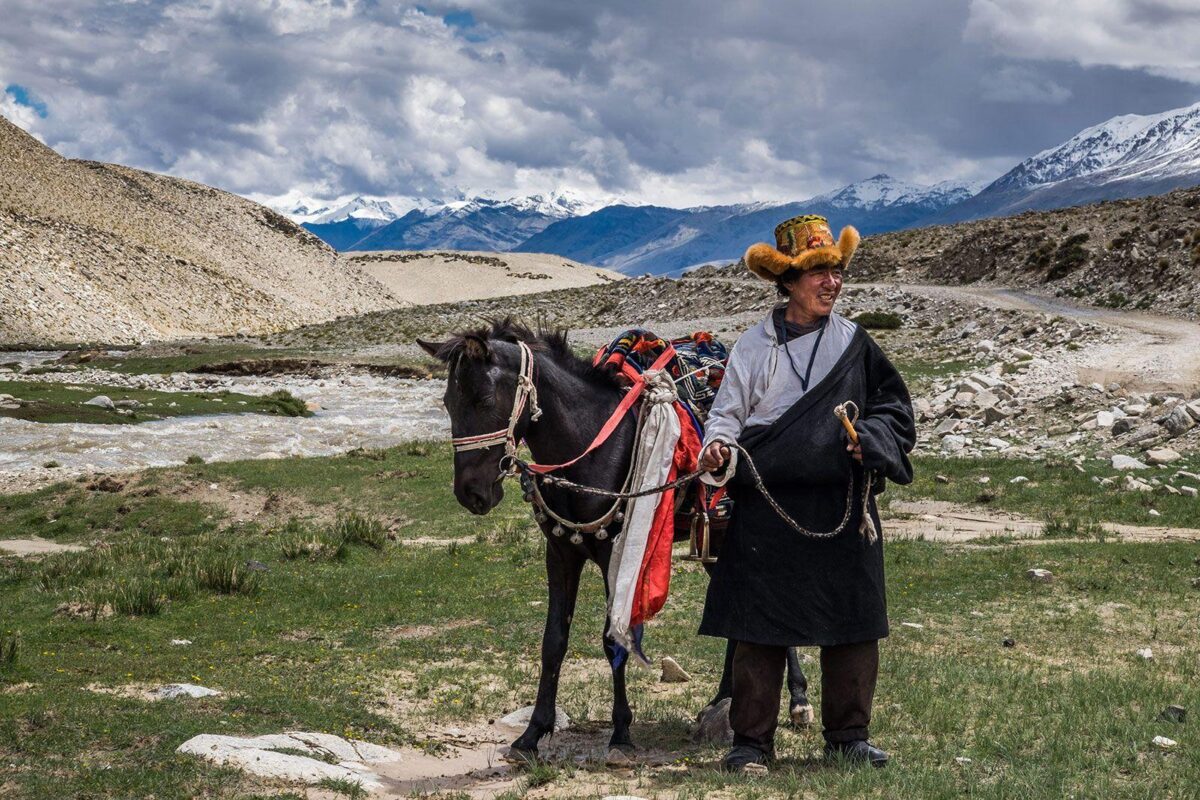
Changpa: All You Need to Know About Ladakh’s Nomadic Pashmina Herders. The Changpa are a semi-nomadic pastoral community living in the remote Changthang Plateau of eastern Ladakh. For centuries, they have adapted to one of the world’s harshest high-altitude environments, herding Pashmina goats, yaks, and sheep across vast grasslands. Their traditional lifestyle, deeply rooted in Tibetan Buddhist culture, continues to preserve one of the Himalayas’ oldest living traditions while producing the world-famous Pashmina wool.
| Feature | Details |
|---|---|
| Community | Changpa |
| Meaning | “People of the North” (Tibetan origin) |
| Region | Changthang Plateau, Eastern Ladakh |
| Lifestyle | Semi-nomadic pastoralists |
| Population | Approximately 10,000–12,000 (estimated) |
| Altitude | 4,000–5,500 m (13,100–18,000 ft) |
| Main Livelihood | Herding Pashmina goats, yaks, sheep, horses, and donkeys |
| Famous For | Producing world-famous Changthangi Pashmina wool |
| Main Animal | Changthangi (Pashmina) Goat |
| Religion | Tibetan Buddhism |
| Language | Changskat (Tibetan dialect) |
| Traditional Home | Rebo (portable yak-hair tent) |
| Main Food | Tsampa, butter tea, yak milk, cheese, barley, dried meat |
| Major Areas | Korzok, Hanle, Nyoma, Chushul, Tsaga, Puga Valley, Tso Moriri, Tso Kar, Rupshu Valley |
| Migration | Seasonal movement in search of grazing pastures |
| Best Time to Visit | May to September |
| Nearby Attractions | Tso Moriri, Hanle, Tso Kar, Puga Valley, Changthang Wildlife Sanctuary |
| Best Known Product | Pashmina wool |
| Key Challenges | Climate change, shrinking pastures, wildlife conflicts, modernization |
| Tourist Experience | Cultural interaction, nomadic lifestyle, Pashmina goat herding, high-altitude landscapes |
Who Are the Changpa?
The Changpa are an indigenous nomadic community primarily found in the Changthang region of Ladakh. Their lives revolve around livestock herding, seasonal migration, and sustainable use of the fragile Himalayan ecosystem. They are internationally recognized for raising Changthangi goats, which produce the exceptionally fine Pashmina wool used in luxury shawls and garments.
Where Do the Changpa Live?
The Changpa inhabit the high-altitude plains of eastern Ladakh, mainly around:

 4°C
4°C
- Temperature
- Rain Chance
- Wind


- Korzok
- Tso Moriri
- Hanle
- Nyoma
- Chushul
- Tsaga
- Puga Valley
- Rupshu Valley
- Tso Kar
These settlements lie at elevations ranging from 4,000 to 5,500 metres above sea level.
History of the Changpa
The Changpa have lived in the Changthang region for centuries, following seasonal migration routes passed down through generations. Their close relationship with nature, livestock, and Buddhist traditions has helped them survive the harsh climate of Ladakh while maintaining a unique cultural identity.
Traditional Lifestyle
The Changpa continue to lead a semi-nomadic life by moving their herds between seasonal grazing grounds. Families live in portable yak-hair tents known as Rebo, allowing them to relocate easily as weather and pasture conditions change.
Their daily life includes:
- Grazing livestock
- Collecting Pashmina wool
- Milking yaks and goats
- Producing butter and cheese
- Trading animal products
- Maintaining Buddhist traditions
The Famous Changthangi Pashmina Goat
The Changthangi goat is the backbone of the Changpa economy. Its soft undercoat produces some of the world’s finest Pashmina wool, prized for its warmth, softness, and lightweight texture.
Each goat yields only a small amount of usable fibre every year, making authentic Pashmina one of the world’s most valuable natural fibres.
Seasonal Migration
Migration is central to Changpa life. Depending on the season, families move with their livestock to ensure access to fresh grazing lands.
| Season | Activity |
|---|---|
| Spring | Migration to summer pastures |
| Summer | Grazing at higher elevations |
| Autumn | Pashmina collection and trading |
| Winter | Move to sheltered grazing areas |
Traditional Homes – Rebo
The Changpa live in portable tents called Rebo, woven from yak hair. These tents are naturally insulated, resistant to strong winds, and can be dismantled quickly during migration.
A Rebo is the traditional Changpa tent. Features include:
- Made from woven yak hair
- Waterproof
- Wind resistant
- Portable
- Warm during winter
- Cool during summer
The tents can be dismantled and transported easily during migration.
Food of the Changpa
The Changpa diet is designed to withstand extreme cold and includes:
- Tsampa (roasted barley flour)
- Butter tea
- Yak milk
- Cheese
- Dried meat
- Barley-based dishes
- Noodles
Religion and Culture
Most Changpa follow Tibetan Buddhism. Monasteries, prayer flags, festivals, and traditional rituals play an important role in their daily lives. Their customs reflect a deep respect for nature and livestock.
Livestock Reared by the Changpa
Apart from Pashmina goats, the Changpa also rear:
- Yaks
- Sheep
- Horses
- Donkeys
- Dzo (yak-cattle hybrids)
These animals provide milk, meat, transport, wool, and support their traditional way of life.
Challenges Faced by the Changpa
Today, the Changpa face several challenges, including:
- Climate change
- Shrinking grazing lands
- Extreme winters
- Wildlife conflicts
- Limited healthcare
- Educational opportunities
- Migration of younger generations
Wildlife Around Changthang
The Changpa share their landscape with several rare Himalayan species, including:
- Himalayan Marmot
- Tibetan Wild Ass (Kiang)
- Snow Leopard
- Himalayan Wolf
- Blue Sheep (Bharal)
- Black-necked Crane
- Tibetan Gazelle
Can Tourists Visit the Changpa?
Yes. Visitors can encounter Changpa communities while travelling through:
- Tso Moriri
- Hanle
- Nyoma
- Puga Valley
- Tso Kar
Visitors should always respect their privacy, avoid disturbing livestock, and ask permission before photographing people or entering camps.
Best Time to Meet the Changpa
The ideal months are from May to September when the Changpa are actively grazing their herds across the Changthang Plateau and road conditions are favourable.
| Months | Experience |
|---|---|
| May–June | Pleasant weather and active grazing |
| July–August | Green high-altitude meadows |
| September | Clear skies and ideal photography |
| October | Cold weather with fewer visitors |
Interesting Facts About the Changpa
- The Changpa have lived in Ladakh for centuries.
- They migrate seasonally with their herds.
- Changthangi goats produce some of the world’s finest Pashmina wool.
- Families often live in portable yak-hair tents called Rebo.
- The Changthang Plateau is among the highest inhabited regions on Earth.
- Their traditional knowledge helps them survive extreme cold and scarce resources.
- Sustainable grazing practices have supported fragile Himalayan ecosystems for generations.
Frequently Asked Questions
Who are the Changpa?
The Changpa are a semi-nomadic pastoral community living in the Changthang region of eastern Ladakh.
Why are the Changpa famous?
They are famous for raising Changthangi goats that produce premium-quality Pashmina wool.
What language do the Changpa speak?
They primarily speak Changskat, a Tibetan dialect.
Where can tourists meet the Changpa?
Visitors can meet Changpa communities around Tso Moriri, Hanle, Nyoma, Puga Valley, and Tso Kar.
What is a Rebo?
A Rebo is a traditional portable yak-hair tent used by the Changpa during seasonal migration.