
Karzok Kangri (6,110 m / 20,046 ft) is one of the most prominent trekking peaks in the Changthang region of Ladakh. Towering above Korzok Village on the western shore of Tso Moriri, it offers a rewarding high-altitude climb with breathtaking views of the lake, the surrounding plateau, and the distant Himalayan ranges.
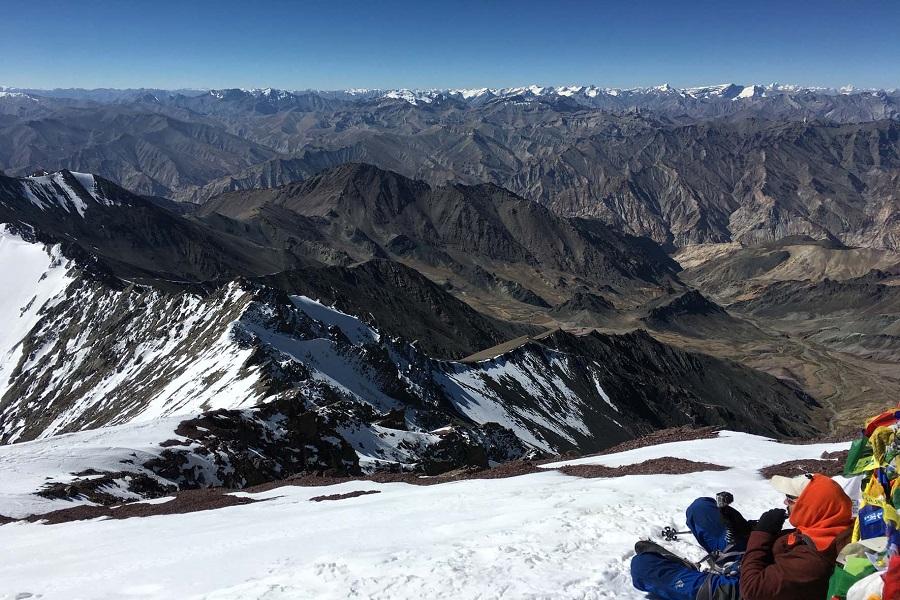
Karzok Kangri (6110 m) — a silent giant of Ladakh, climbed by few, remembered by fewer. While the world looks to Nepal for altitude, India quietly holds countless 6000–7000 m peaks with raw terrain, deep history, and untouched challenges. You don’t always need Everest to test your limits—sometimes, the real legacy stands at home.
Unlike many commercial Himalayan peaks, Karzok Kangri remains relatively uncrowded, making it an excellent choice for experienced trekkers and aspiring mountaineers seeking a genuine wilderness experience.

 4°C
4°C
- Temperature
- Rain Chance
- Wind


Quick Facts
| Detail | Information |
|---|---|
| Elevation | 6,110 m (20,046 ft) |
| Region | Changthang, Ladakh |
| Base Village | Korzok |
| Nearest Lake | Tso Moriri |
| Difficulty | Moderate to Difficult |
| Best Season | June to September |
| Starting Point | Leh → Karzok (Korzok) Village |
| Acclimatization | 3–4 days in Leh and surrounding areas recommended |
Karzok Kangri Expedition
The Karzok Kangri (6,105m) expedition takes climbers into the stunning, high-altitude Rupshu Valley in Ladakh, overlooking the pristine waters of Tso Moriri.
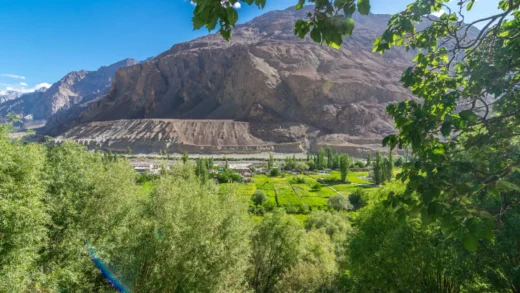
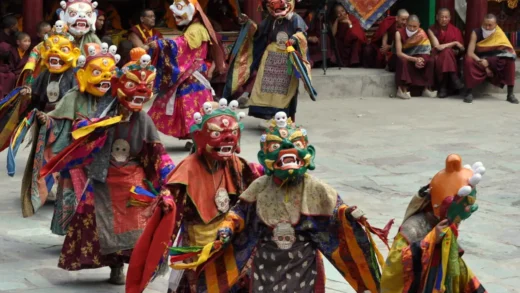
For travelers, Karzok offers an unforgettable high-altitude experience with trekking, camping, birdwatching, photography, stargazing, monastery visits, and cultural encounters. Summer temperatures in July average around 13°C (55°F), making it the best time to visit, while winters remain extremely cold, with January temperatures dropping to -12.7°C (9°F) or lower. Whether you’re exploring Tso Moriri Lake, embarking on a Mentok Kangri trek, or discovering the unique traditions of the Changthang Plateau, Karzok Village is one of the most rewarding destinations in Ladakh for nature lovers, photographers, and adventure seekers.
Gallery
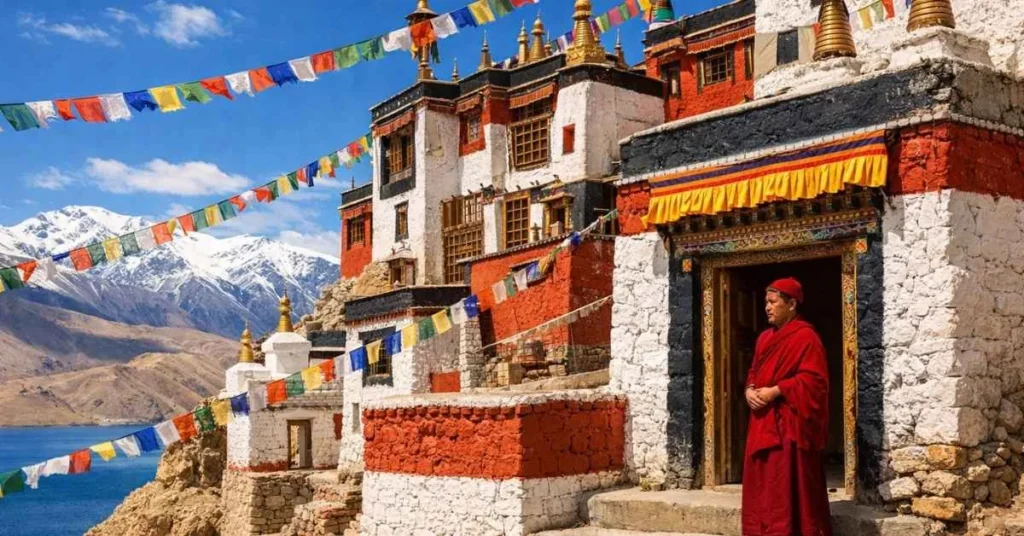
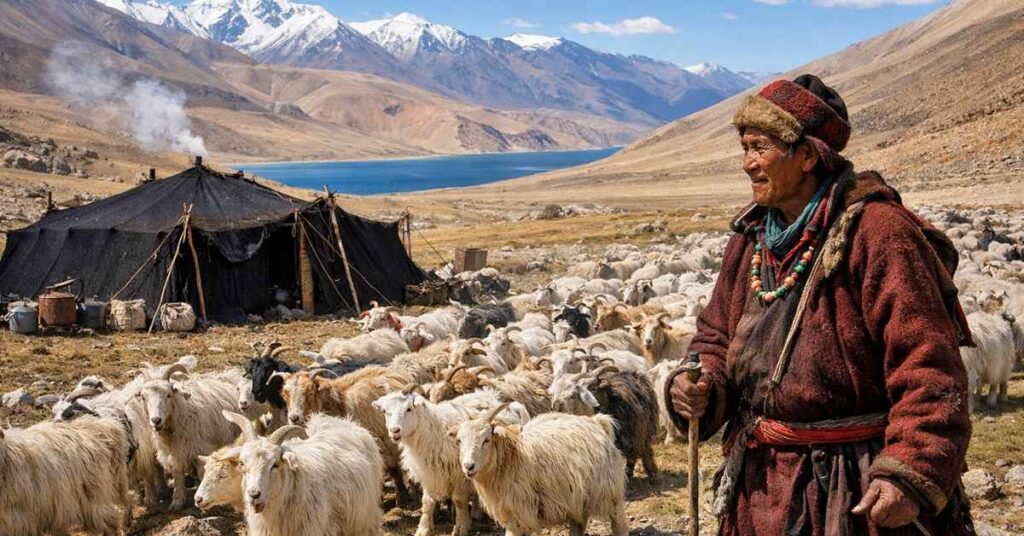
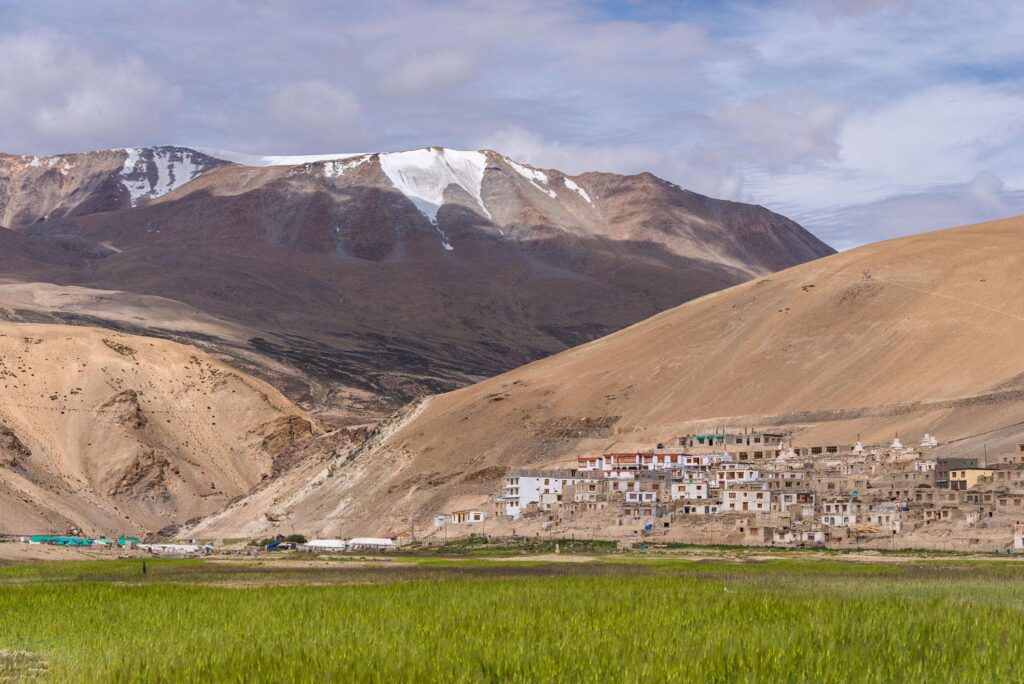
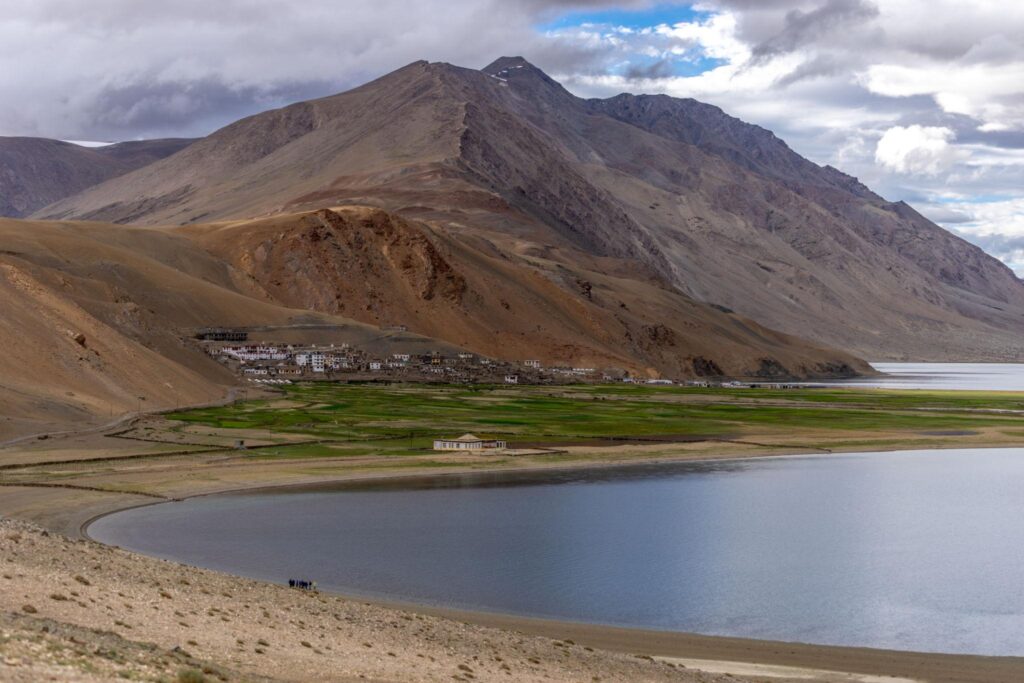
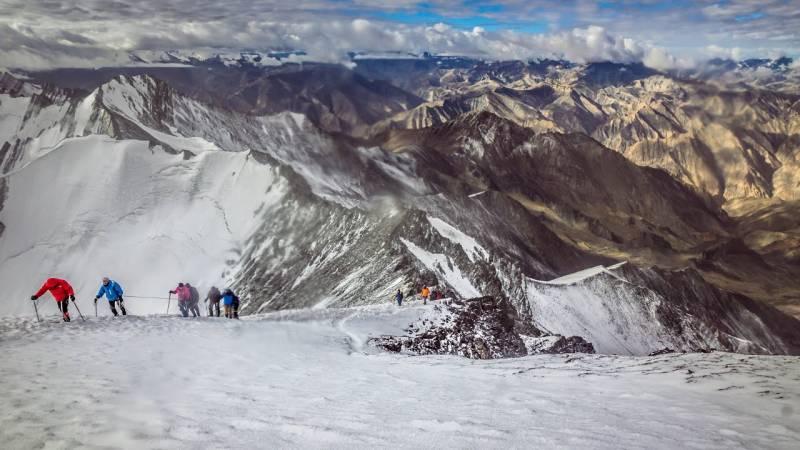
Highlights
- Spectacular panoramic views of Tso Moriri from the upper slopes.
- Less crowded than many Himalayan trekking peaks.
- Ideal for mountaineers preparing for higher expeditions.
- Opportunity to experience the culture of the Changpa nomads.
- Rich wildlife, including Himalayan marmots, blue sheep, and migratory birds around Tso Moriri.
Best Time to Climb
The ideal climbing season is June to September, when snow conditions are relatively stable and road access to Korzok is generally open.
Route Overview
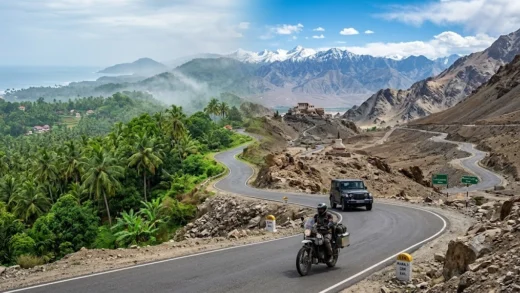
Leh → Chumathang → Mahe → Sumdo → Korzok Village → Base Camp → Summit → Return
Most expeditions take 5–7 days, including acclimatization and summit day.
7-Day Karzok Kangri Day-Wise Itinerary
Day 1 - Arrival in Leh | 3,500 m
- Airport pickup,
- Complete Rest,
- Short evening walk
Day 2 - Leh Acclimatization | 3,500 m
- Acclimatization,
- Permit formalities,
- Gear inspection,
- Visit nearby monasteries.
Day 3 - Leh → Karzok | 4,595 m
- Scenic drive (220 km, 7–8 hrs) via Upshi,
- Chumathang and Mahe to Karzok village.
Day 4 - Karzok Village | 4,595 m
- Acclimatization hike to nearby ridges (4,900–5,000 m)
- Return to Village.
Day 5 - Karzok → Base Camp | 5,250 m
- Trek 8–10 km (5–6 hrs).
- Establish base camp.
Day 6 - Base Camp | 5,250 m
- Acclimatization,
- Climbing practice,
- Rope work and
- Summit preparation.
Day 7 - Summit Attempt | 6,110 m
- Midnight start. Summit Karzok Kangri and descend to Base Camp (10–14 hrs).
- Day 8: Base Camp → Karzok: Trek back to Karzok and overnight stay.
- Day 9: Karzok → Leh
Who Should Attempt It?
Karzok Kangri is best suited for trekkers with:
- Good physical fitness
- Previous high-altitude trekking experience
- Proper acclimatization
- Basic mountaineering skills (recommended)
Although technically not among the most difficult Himalayan peaks, the 6,000+ m altitude makes it a demanding climb where weather and acclimatization are critical.