
Mentok Kangri
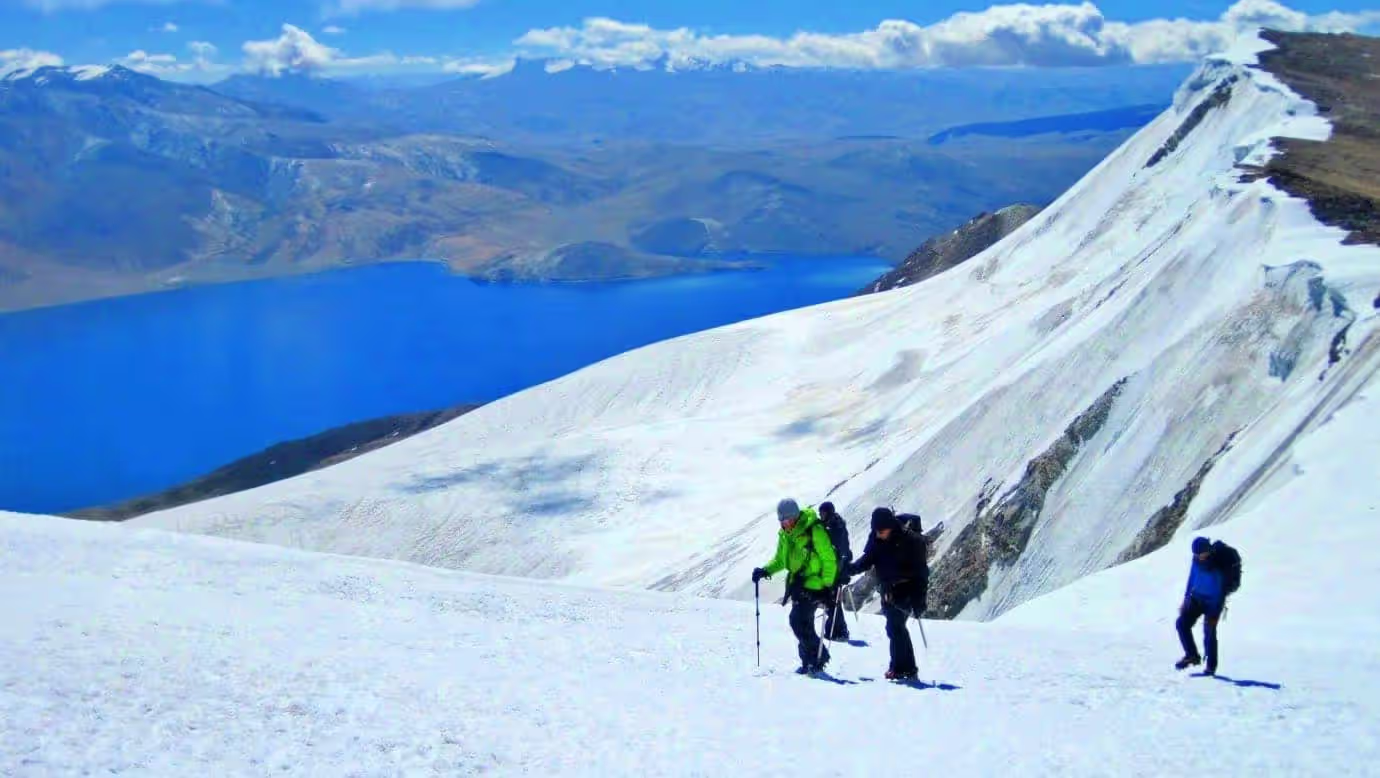
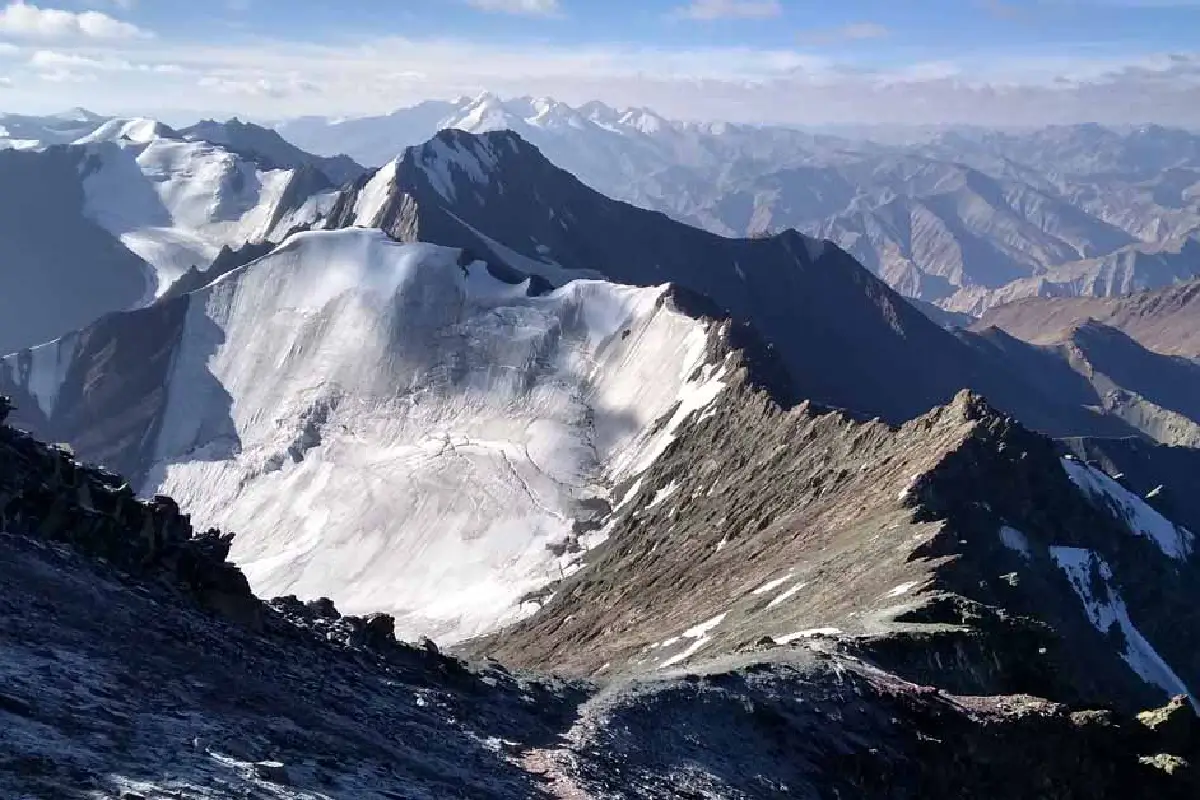
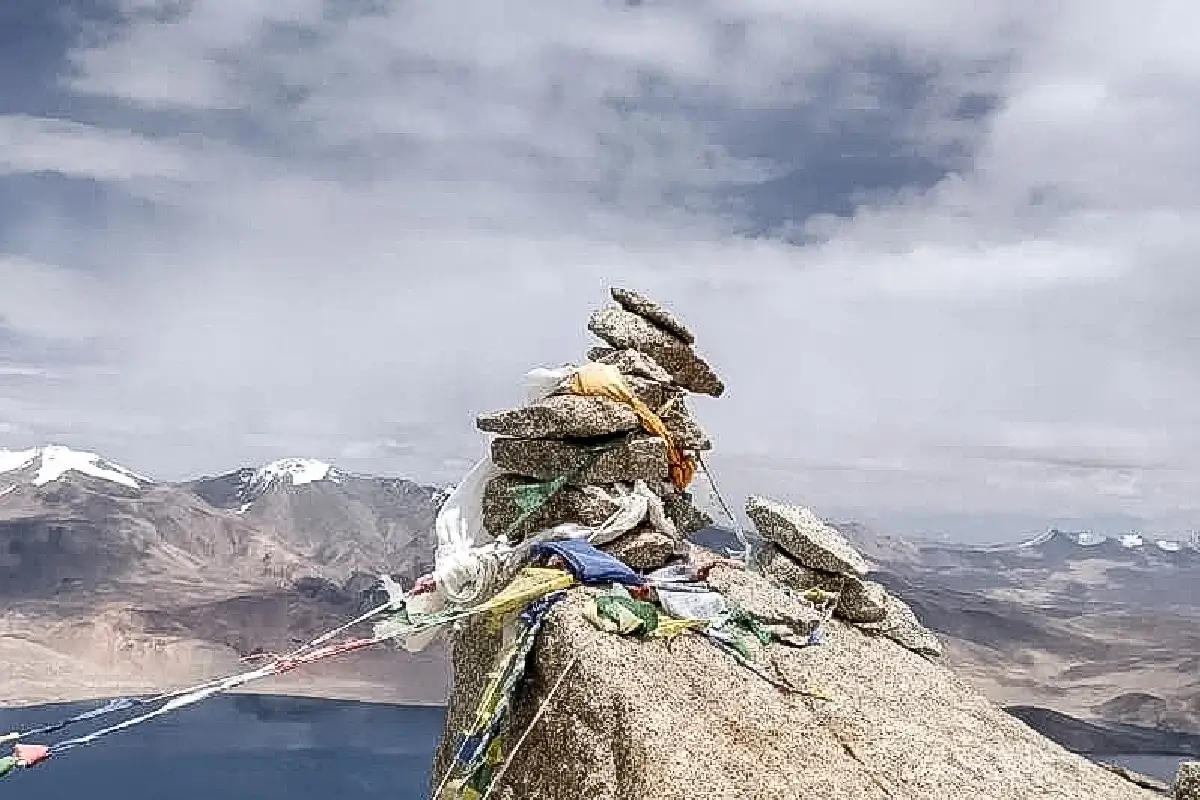
Mentok Kangri is one of the most beautiful and accessible 6,000-meter trekking peaks in Ladakh. Rising above the crystal-clear waters of Tso Moriri Lake, this magnificent mountain massif dominates the skyline of the remote Changthang (Rupshu) Plateau in eastern Ladakh. The massif consists of three prominent summits—Mentok Kangri I (6,270 m), Mentok Kangri II (6,250 m), and Mentok Kangri III (6,150 m)—offering spectacular Himalayan climbing experiences with breathtaking views over one of India’s highest lakes.
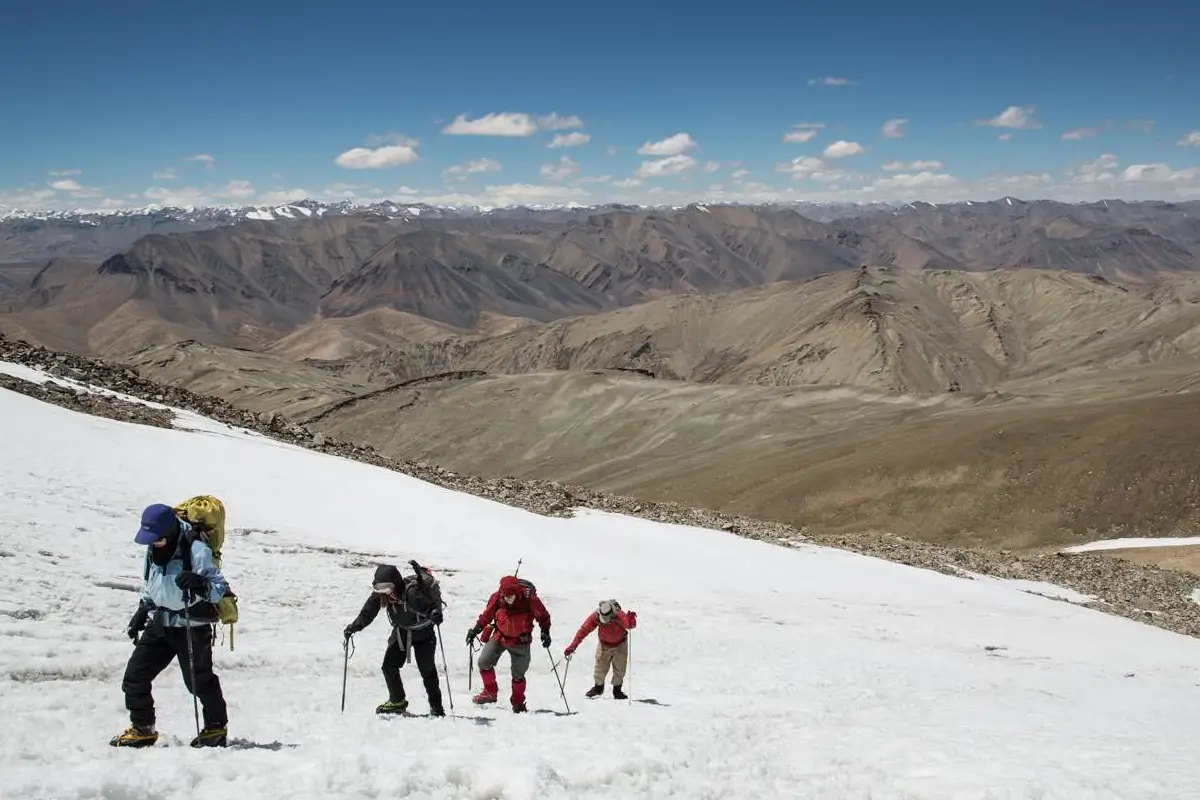
Unlike many Himalayan expeditions that require advanced mountaineering skills, Mentok Kangri is regarded as a non-technical to moderately difficult peak, making it an excellent choice for trekkers aiming to summit their first 6,000-meter mountain. The climb rewards adventurers with panoramic views of Tso Moriri, the Changthang Plateau, and snow-covered peaks stretching toward the Tibetan Plateau.
Mentok Kangri Expedition Overview
| Particular | Details |
|---|---|
| Location | Changthang (Rupshu), Eastern Ladakh |
| Nearest Village | Korzok |
| Highest Peak | Mentok Kangri I – 6,270 m |
| Other Peaks | Mentok Kangri II – 6,250 m, Mentok Kangri III – 6,150 m |
| Difficulty | Moderate (Non-technical) |
| Trek Duration | 10–16 Days |
| Best Season | July to September |
| Starting Point | Leh |
| Base Camp Altitude | Approximately 5,200 m |
| Maximum Altitude | 6,270 m |
Mentok Kangri Peaks
| Peak | Elevation | Remarks |
|---|---|---|
| Mentok Kangri I | 6,270 m | Highest and most climbed summit |
| Mentok Kangri II | 6,250 m | Popular alternative climbing route |
| Mentok Kangri III | 6,150 m | Less frequently climbed |
Location
Mentok Kangri stands on the western side of Tso Moriri Lake in the Changthang region of Ladakh. The expedition begins from Leh, followed by a scenic drive to Korzok, the only permanent settlement on the shores of Tso Moriri. Korzok serves as the gateway for both trekking and climbing expeditions.

 4°C
4°C
- Temperature
- Rain Chance
- Wind


Gallery
Difficulty Level
Mentok Kangri is considered one of the easiest Himalayan 6,000-meter peaks, although its high altitude should never be underestimated.
The climb involves:
- Long trekking days
- Loose scree slopes
- Rocky ridges
- Gentle snowfields
- Glacier walking (depending on seasonal conditions)
Minimal technical climbing is required under normal conditions, but the summit push demands excellent physical fitness and proper acclimatization.
Best Time to Climb
The ideal climbing season is:
| Month | Conditions |
|---|---|
| July | Stable weather, moderate snow |
| August | Best climbing conditions |
| September | Clear skies and excellent visibility |
Outside these months, heavy snowfall and freezing temperatures make climbing considerably more challenging.
Highlights
- Summit a Himalayan peak above 6,000 meters
- Spectacular sunrise views over Tso Moriri Lake
- Experience the remote Changthang Plateau
- Visit the traditional village of Korzok
- Observe wildlife including Kiang, Marmots, and migratory birds
- Stunning views of the Tibetan Plateau and surrounding Himalayan ranges
Physical Fitness Required
Participants should be capable of:
- Trekking 6–8 hours daily
- Carrying a daypack
- Walking on loose rocks and snow
- Functioning efficiently above 5,000 meters
Prior trekking experience at high altitude is strongly recommended.
Essential Equipment
- Mountaineering boots
- Crampons (season dependent)
- Trekking poles
- Down jacket
- Thermal clothing
- Waterproof shell
- Sleeping bag (-15°C or lower)
- Gloves and gaiters
- UV sunglasses
- Headlamp
- Personal medical kit
- Water bottles and hydration system
Altitude Considerations
Since the expedition quickly reaches elevations above 5,000 meters, proper acclimatization is essential.
To reduce the risk of altitude sickness:
- Spend at least 2–3 nights in Leh
- Stay well hydrated
- Avoid alcohol and smoking
- Ascend gradually
- Recognize symptoms of Acute Mountain Sickness (AMS) and descend if they worsen
Permits
Climbers generally require:
- Inner Line Permit (ILP) for the Tso Moriri region
- Expedition or climbing permissions as required by the relevant authorities
- Registration through an authorized trekking or mountaineering operator where applicable
Permit requirements can change, so always verify the latest regulations before planning your expedition.
Mentok Kangri Expedition Summary
| Item | Details |
|---|---|
| Duration | 10 Days |
| Highest Point | 6,270 m (Mentok Kangri I) |
| Starting Point | Leh |
| Base Camp | 5,200 m |
| Trek Grade | Moderate |
| Technical Grade | Non-technical |
| Best Season | July – September |
| Accommodation | Hotel, Guesthouse, Camping |
10-Day Mentok Kangri Day-Wise Itinerary
Day 1 - Arrival in Leh (3,500 m)
- Arrive at Leh Airport.
- Transfer to your hotel.
- Rest for the remainder of the day to begin acclimatization.
- Avoid strenuous activity and stay hydrated.
Day 2 - Acclimatization in Leh
- Spend the day adapting to the altitude.
- Optional visits to nearby monasteries or local attractions.
- A short acclimatization walk is recommended.
- Overnight in Leh.
Day 3 - Leh to Korzok (Tso Moriri)
- Drive through the scenic Changthang region.
- Cross high mountain passes and remote landscapes.
- Reach Korzok village on the shores of Tso Moriri Lake.
- Overnight in a guesthouse or camp.
- Driving Time: 6–7 hours
Day 4 - Acclimatization at Korzok
- Take a short hike around Korzok and nearby hills.
- Practice using trekking equipment.
- Final gear inspection and briefing.
- Overnight at Korzok.
Day 5 - Trek to Mentok Kangri Base Camp
- Begin trekking from Korzok.
- Ascend gradually through alpine meadows and rocky terrain.
- Reach Base Camp with magnificent views of Tso Moriri.
- Trek Duration: 4–5 hours
Day 6 - Acclimatization & Summit Preparation
- Short hike to a higher elevation before returning to Base Camp.
- Rest and hydrate.
- Prepare climbing gear.
- Early dinner and sleep before the summit attempt.
Day 7 - Summit Attempt (6,270 m)
- Wake up around midnight or 1:00 AM.
- Begin the summit climb under headlamps.
- Ascend over scree slopes and snowfields.
- Reach the summit of Mentok Kangri I (6,270 m).
- Enjoy panoramic views of Tso Moriri, Changthang Plateau, and surrounding Himalayan peaks.
- Descend safely to Base Camp.
- Climbing Time: 10–12 hours round trip
Day 8 - Base Camp to Korzok
- Trek back to Korzok.
- Celebrate the successful expedition.
- Overnight in Korzok.
Day 9 - Korzok to Leh
- Drive back to Leh via the scenic Changthang route.
- Check into the hotel.
- Free evening for shopping or relaxing.
Day 10 - Departure
- Transfer to Kushok Bakula Rimpochee Airport.
- Depart with unforgettable memories of climbing one of Ladakh's most scenic 6,000-meter peaks.
Why Climb Mentok Kangri?
Mentok Kangri offers one of the finest opportunities in India to experience Himalayan mountaineering without highly technical climbing. Its combination of accessible terrain, stunning alpine scenery, and the remarkable setting above Tso Moriri makes it a favorite among trekkers aspiring to reach their first 6,000-meter summit. With proper preparation and acclimatization, the expedition delivers an unforgettable high-altitude adventure in one of Ladakh’s most remote and beautiful landscapes.