

Introduction
Khambir is one of the most iconic traditional foods of Ladakh, cherished for its simplicity, wholesome nutrition, and cultural significance. This thick, round bread has been a staple in Ladakhi households for generations, providing warmth and energy in the harsh Himalayan climate. Whether enjoyed with butter tea, vegetable curry, or local stews, Khambir remains an essential part of everyday meals.
Today, travelers exploring Ladakh often seek out Khambir to experience authentic Himalayan cuisine. Its rustic flavor, dense texture, and centuries-old preparation methods make it a must-try for anyone interested in local food traditions.
What is Khambir?
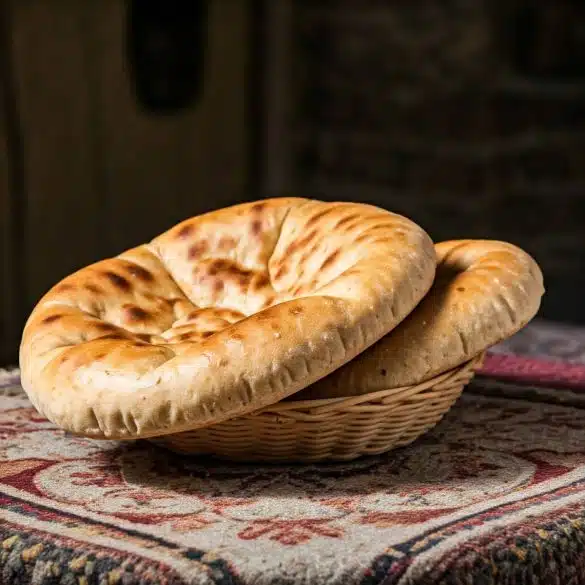
Khambir is a traditional Ladakhi whole wheat bread that is baked until it develops a crisp outer crust while remaining soft and slightly chewy inside. Unlike fluffy flatbreads such as naan, Khambir is thicker and denser, making it filling and nutritious.

 14°C
14°C
- Temperature
- Rain Chance
- Wind



The bread is typically prepared using whole wheat flour, yeast or a natural starter, water, and salt. Some families also mix barley flour into the dough, reflecting Ladakh’s agricultural heritage.
Khambir has a mildly nutty flavor with subtle earthy notes. It pairs beautifully with butter tea, locally known as Gur Gur Cha, lentil soups, meat curries, vegetable dishes, and homemade apricot jam. Beyond its taste, Khambir symbolizes Ladakhi hospitality, as it is commonly served to guests during family gatherings and festivals.
Origin and History
Khambir has been part of Ladakh’s culinary heritage for centuries. The bread evolved in the high-altitude villages where people relied on hardy grains such as wheat and barley that could withstand the region’s short growing season and cold climate.
Historically, Ladakhi families baked Khambir in traditional clay ovens or on heavy iron griddles. Since fresh bread was difficult to make daily during harsh winters, Khambir’s dense texture allowed it to remain fresh for longer than many other breads.
The influence of neighboring Himalayan regions, along with Tibetan culinary traditions, also shaped Khambir’s development. Despite modern bakeries becoming more common in Ladakh, many households continue preparing Khambir using traditional recipes passed down through generations.
Today, it remains one of the region’s most recognizable and beloved foods.
Ingredients
The beauty of Khambir lies in its simple ingredients, which create a flavorful and satisfying bread.
Common ingredients include:
- Whole wheat flour
- Barley flour (optional)
- Water
- Salt
- Yeast or natural sourdough starter
- Butter or oil (occasionally added)
Some modern recipes include a small amount of sugar to help activate the yeast, while others remain completely traditional.
How It Is Prepared
Making Khambir requires patience but uses a straightforward process.
Prepare the Dough
Whole wheat flour is mixed with water, salt, and yeast or a natural starter to form a soft, elastic dough.
Fermentation
The dough is left to rise for several hours, allowing it to develop flavor and a light texture.
Shape the Bread
After fermentation, the dough is shaped into a thick, round loaf. Traditional decorative patterns are sometimes pressed onto the surface.
Bake
The bread is baked in a clay oven, tandoor, or heavy pan over moderate heat until the crust becomes golden brown while the interior stays soft.
Serve
Khambir is usually served warm with butter tea, homemade butter, vegetable curries, soups, or meat dishes.
Variations
Although the traditional recipe remains the most popular, Khambir has evolved over time.
Traditional Khambir
Prepared using whole wheat flour and natural fermentation, this version offers the authentic taste enjoyed across Ladakh.
Barley Khambir
Some villages incorporate barley flour, producing a denser bread with a richer, earthy flavor.
Sourdough Khambir
Certain households use a naturally fermented starter instead of commercial yeast, giving the bread a slightly tangy taste.
Modern Bakery Khambir
Urban cafés and bakeries in Leh often prepare softer versions that cater to tourists while preserving the bread’s classic appearance.
Herb-Flavored Khambir
Some contemporary chefs add local herbs and seeds to create unique flavors while respecting the traditional recipe.
Why You Should Try It
Khambir offers much more than just nourishment.
Its hearty texture makes it incredibly satisfying after a day of trekking or sightseeing in Ladakh’s high-altitude landscape. The bread’s wholesome ingredients provide lasting energy while its mild flavor pairs well with nearly every traditional Ladakhi dish.
Trying Khambir also offers insight into Ladakh’s agricultural traditions and mountain lifestyle. Every bite reflects centuries of adaptation to one of the world’s most challenging environments.
Unlike commercial breads, Khambir is handmade using simple ingredients, making it an authentic culinary experience that connects visitors with local culture.
Where to Try It
The best place to enjoy authentic Khambir is in Leh, where numerous local cafés, family-run restaurants, and traditional guesthouses serve freshly baked bread with Ladakhi meals.
You can also find Khambir in:
- Traditional homes offering homestay experiences
- Villages across Ladakh
- Local food markets
- Himalayan cafés specializing in regional cuisine
- Hotels serving authentic Ladakhi breakfasts
For the most authentic experience, pair Khambir with butter tea, apricot jam, or a bowl of hot Thukpa.
FAQs
Is Khambir healthy?
Yes. Khambir is generally considered healthy because it is made primarily from whole wheat flour, contains minimal processed ingredients, and provides fiber, carbohydrates, and essential nutrients.
Is Khambir vegetarian?
Yes. Traditional Khambir is completely vegetarian. Many versions are also vegan, although some recipes may include butter.
What does Khambir taste like?
Khambir has a mildly nutty, earthy flavor with a crispy crust and soft, chewy interior. It complements both savory and sweet accompaniments.
Can I make Khambir at home?
Absolutely. With whole wheat flour, yeast, water, and salt, you can prepare Khambir in a home oven or on a heavy skillet.
What is Khambir usually served with?
Khambir is commonly served with butter tea, soups, lentils, vegetable curries, meat dishes, butter, cheese, and apricot jam.
How is Khambir different from naan?
Khambir is thicker, denser, and made primarily with whole wheat flour, while naan is softer, lighter, and usually prepared using refined flour.
Conclusion
Khambir is far more than a traditional loaf of bread—it’s a symbol of Ladakh’s rich cultural heritage and resilient mountain lifestyle. Its wholesome ingredients, satisfying texture, and timeless preparation have made it a staple in Ladakhi homes for generations. Whether enjoyed with butter tea, hearty stews, or homemade jam, Khambir offers a genuine taste of the Himalayas.