

Introduction
Yak Cheese is one of the most treasured traditional dairy products found in the high-altitude regions of the Himalayas. Made from the milk of yaks that graze on alpine meadows, this distinctive cheese has been an important part of mountain communities for centuries. It is especially popular in Ladakh, Sikkim, Arunachal Pradesh, Nepal, Bhutan, and Tibet, where yaks are essential to daily life.
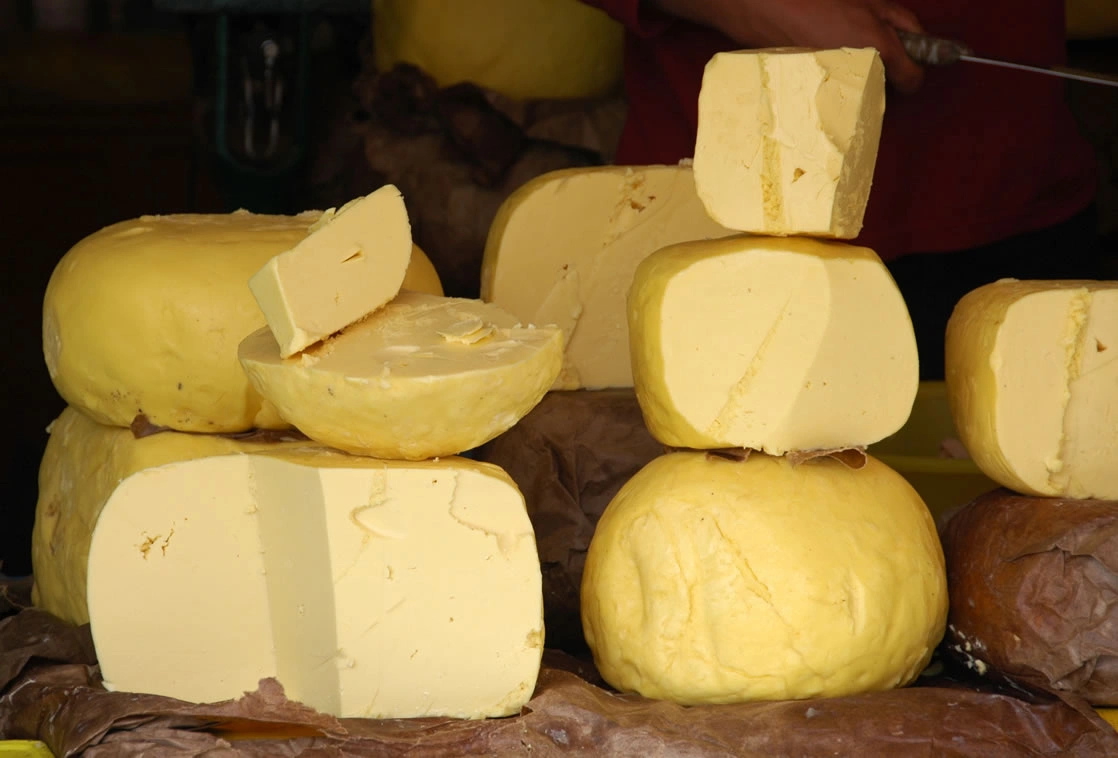
Known for its rich taste, firm texture, and impressive nutritional value, Yak Cheese has gained popularity among travelers, food enthusiasts, and health-conscious consumers looking for authentic Himalayan flavors. Whether enjoyed as a snack, melted into dishes, or paired with local bread, this unique cheese offers a memorable culinary experience.
What is Yak Cheese?
Yak Cheese is a traditional cheese produced from the milk of domesticated yaks, animals that thrive in cold mountainous regions at elevations above 3,000 meters. Yak milk contains higher levels of fat, protein, and minerals than cow’s milk, giving the cheese its rich texture and creamy character.

 6°C
6°C
- Temperature
- Rain Chance
- Wind


Depending on how it is prepared, Yak Cheese can range from soft and mildly creamy to hard, aged, and chewy. Fresh varieties have a smooth, buttery taste, while aged versions develop a stronger, nutty flavor with a firm texture.
Beyond its delicious taste, Yak Cheese holds great cultural significance. It has long served as a valuable source of nutrition for Himalayan communities, where agriculture is limited due to harsh climates. The cheese is often shared during festivals, family gatherings, and traditional celebrations, symbolizing hospitality and self-sufficiency.
Origin and History
The history of Yak Cheese dates back hundreds of years in the Himalayan mountain regions. Nomadic herders developed cheese-making techniques as a practical way to preserve surplus yak milk during the short summer grazing season.
In places such as Ladakh, Tibet, Nepal, and Bhutan, yak herding has always been central to local livelihoods. Since refrigeration was unavailable, converting milk into cheese allowed families to store nutritious food for the long winter months.
Over time, different regions refined their own cheese-making traditions, resulting in various textures, flavors, and aging methods. Today, Yak Cheese remains an important part of Himalayan cuisine while also attracting international attention as an artisanal specialty cheese.
Ingredients
Yak Cheese is made using simple, natural ingredients, allowing the quality of yak milk to shine.
Main Ingredients
- Fresh yak milk
- Natural starter cultures or fermented milk
- Rennet or traditional natural coagulants
- Salt
- Clean mountain water (used during processing when needed)
Some modern producers may use carefully selected bacterial cultures to ensure consistent flavor and quality, while traditional villages continue to rely on age-old fermentation techniques.
How It Is Prepared
Making Yak Cheese is a time-honored process that combines traditional knowledge with careful craftsmanship.
Step 1: Collecting Fresh Yak Milk
Fresh milk is collected from healthy yaks that graze freely on nutrient-rich alpine pastures. The milk is naturally rich in butterfat and protein.
Step 2: Heating the Milk
The milk is gently warmed to the appropriate temperature before starter cultures or natural fermented milk are introduced.
Step 3: Coagulation
Rennet or another natural coagulant is added, causing the milk to separate into curds and whey.
Step 4: Cutting and Draining
The curds are cut into smaller pieces and drained to remove excess whey.
Step 5: Pressing
The curds are pressed into molds to form solid cheese blocks while removing additional moisture.
Step 6: Salting and Aging
Some cheeses are consumed fresh, while others are salted and aged for several weeks or even months. Aging develops a firmer texture and more intense flavor.
Variations
Different Himalayan regions produce their own versions of Yak Cheese.
Fresh Yak Cheese
Soft, creamy, and mildly flavored, this variety is commonly eaten with bread, vegetables, or traditional Himalayan meals.
Aged Yak Cheese
Harder and more flavorful, aged Yak Cheese develops a nutty taste and can be grated, sliced, or enjoyed as a snack.
Smoked Yak Cheese
Certain mountain communities lightly smoke the cheese to improve preservation and add a distinctive smoky aroma.
Modern Artisan Yak Cheese
Today, some specialty producers create gourmet versions infused with herbs, spices, or unique aging techniques while preserving traditional methods.
Why You Should Try Yak Cheese
Yak Cheese offers much more than an interesting flavor—it provides a genuine taste of Himalayan culture.
Some of the reasons to try Yak Cheese include:
- Rich, creamy, and naturally flavorful.
- High in protein, calcium, and healthy fats.
- Produced using traditional mountain farming practices.
- Made from free-grazing yaks raised in pristine alpine environments.
- Represents centuries of Himalayan culinary heritage.
- Pairs well with bread, soups, salads, crackers, and local dishes.
For adventurous food lovers, Yak Cheese is an unforgettable specialty that combines nutrition, history, and exceptional taste.
Where to Try It
The best Yak Cheese is found in Himalayan regions where yak herding remains a traditional way of life.
Popular places to try Yak Cheese include:
- Ladakh, especially Leh and nearby villages
- Sikkim, known for its dairy cooperatives
- Arunachal Pradesh
- Nepal, particularly Everest and Mustang regions
- Bhutan
- Tibet
Visitors can find Yak Cheese at local markets, mountain cafés, village homestays, eco-tourism centers, and specialty dairy farms. Many Himalayan restaurants also serve dishes featuring fresh or aged Yak Cheese.
FAQs
Is Yak Cheese healthier than cow’s cheese?
Yak Cheese generally contains higher levels of protein, calcium, and healthy fats than many cow’s milk cheeses. Nutritional values vary depending on the production method and aging process.
What does Yak Cheese taste like?
Fresh Yak Cheese has a mild, creamy, buttery flavor, while aged varieties develop a richer, nuttier, and slightly sharper taste.
Is Yak Cheese vegetarian?
Traditional Yak Cheese often uses animal rennet, so it may not be suitable for vegetarians. Some modern producers use microbial rennet instead.
Can Yak Cheese be eaten raw?
Fresh Yak Cheese is ready to eat and can be enjoyed immediately. Aged varieties are also consumed without further cooking but may also be melted into recipes.
Where can I buy Yak Cheese?
Yak Cheese can be purchased in Himalayan regions, specialty gourmet food stores, and selected online retailers that sell traditional mountain dairy products.
Conclusion
Yak Cheese is far more than a simple dairy product—it is a symbol of Himalayan culture, resilience, and tradition. Produced from the rich milk of high-altitude yaks, this exceptional cheese delivers a unique combination of creamy texture, robust flavor, and impressive nutritional value.
Whether you’re exploring the mountains of Ladakh, visiting Nepal, or simply seeking authentic global foods, Yak Cheese deserves a place on your culinary bucket list. Its centuries-old heritage, artisanal production, and unforgettable taste make it one of the Himalayas’ most remarkable gastronomic treasures.