

Introduction
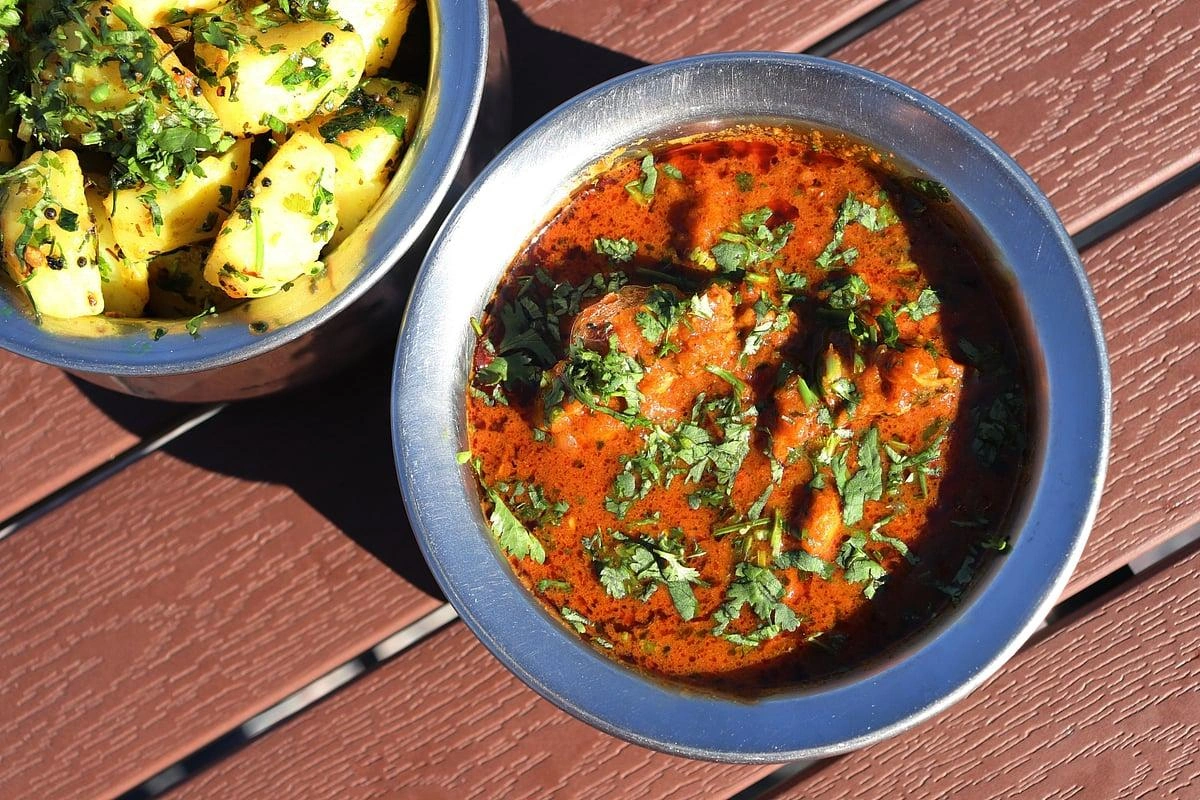
Yak Meat Curry is a flavorful and nourishing dish that originates from the high-altitude regions of the Himalayas. Popular in Ladakh, Tibet, Nepal, Bhutan, and parts of northern India, this hearty curry showcases the rich taste of yak meat simmered with aromatic spices and local herbs. For centuries, yak meat has been an essential source of protein for mountain communities, making Yak Meat Curry both a comforting meal and a reflection of Himalayan culinary traditions.
With the growing interest in regional and traditional cuisines, Yak Meat Curry has gained popularity among adventurous food lovers looking to experience authentic mountain flavors.
What is Yak Meat Curry?
Yak Meat Curry is a slow-cooked meat dish prepared using fresh yak meat, onions, garlic, ginger, tomatoes, and a blend of warming spices. The curry is typically cooked over low heat until the meat becomes tender and absorbs the rich flavors of the gravy.

 6°C
6°C
- Temperature
- Rain Chance
- Wind


Yak meat is naturally lean, high in protein, and lower in fat than conventional beef. It has a mildly sweet, earthy flavor and a firm texture, making it ideal for slow-cooked recipes. The curry often includes locally grown herbs and spices, giving it a distinct Himalayan character.
In Ladakhi households, Yak Meat Curry is especially enjoyed during the cold winter months when hearty meals help provide warmth and energy. It is commonly served with rice, flatbreads, barley bread, or steamed buns.
Origin and History
Yak Meat Curry has its roots in the Himalayan regions where yaks have been domesticated for thousands of years. These resilient animals are well adapted to life at elevations above 3,000 meters and have long supported mountain communities by providing milk, butter, wool, transport, and meat.
Because agriculture is limited in these harsh climates, yak meat became an important dietary staple. Families developed slow-cooking techniques to soften the naturally lean meat while enhancing its flavor with locally available ingredients.
Over time, different Himalayan cultures added their own culinary influences. Tibetan versions often use simple seasonings to highlight the meat’s natural taste, while Ladakhi and Nepali recipes incorporate Indian spices such as cumin, coriander, turmeric, and red chili. Today, Yak Meat Curry remains a treasured traditional dish served during festivals, family gatherings, and special occasions.
Ingredients
Although recipes vary by region, the main ingredients usually include:
- Yak meat, cut into medium-sized pieces
- Onions
- Tomatoes
- Garlic
- Ginger
- Green chilies
- Cooking oil or yak butter
- Turmeric powder
- Red chili powder
- Coriander powder
- Cumin
- Garam masala
- Black pepper
- Salt
- Fresh coriander leaves
- Water or meat stock
Some recipes also include potatoes, carrots, radishes, or mountain herbs to add extra flavor and nutrition.
How It Is Prepared
Preparing Yak Meat Curry requires patience, allowing the meat to become tender while absorbing the rich spices.
Step 1: Marinate the Meat
The yak meat is often marinated with turmeric, salt, ginger, garlic, and yogurt or lemon juice for enhanced flavor and tenderness.
Step 2: Prepare the Masala
Onions are sautéed until golden brown before adding ginger, garlic, tomatoes, and spices. This mixture forms the flavorful base of the curry.
Step 3: Cook the Meat
The marinated meat is added to the masala and browned thoroughly. Water or meat stock is then poured in, and the curry is simmered slowly for one to three hours depending on the age and cut of the meat.
Step 4: Finish and Serve
Once the meat becomes tender and the gravy thickens, fresh coriander is added. The curry is served hot with steamed rice, barley bread, khambir, or traditional Himalayan flatbreads.
Variations
Yak Meat Curry differs across the Himalayan region, reflecting local ingredients and cooking styles.
Traditional Ladakhi Yak Curry
Prepared with onions, tomatoes, garlic, ginger, and Indian spices, creating a rich and aromatic gravy.
Tibetan Yak Stew Curry
Uses fewer spices and focuses on the natural flavor of yak meat, often including root vegetables.
Nepali Yak Curry
Features stronger spice blends with cumin, coriander, cinnamon, cloves, and green chilies for a bold taste.
Bhutanese Yak Curry
Often incorporates local herbs and occasionally dried chilies, producing a smoky and spicy flavor.
Modern Restaurant Versions
Some contemporary chefs add mushrooms, fresh cream, or wine reductions to create gourmet interpretations while maintaining the dish’s traditional essence.
Why You Should Try It
Yak Meat Curry offers a unique culinary experience that is difficult to find outside the Himalayan region.
Some reasons to try it include:
- Rich, hearty flavor unlike ordinary beef or lamb curries.
- High-protein, lean meat that is naturally nutritious.
- Authentic taste of Himalayan mountain cuisine.
- Deep cultural significance in Ladakhi and Tibetan traditions.
- Perfect comfort food for cold weather.
Whether you’re exploring Ladakh or simply interested in regional cuisines, Yak Meat Curry provides a memorable dining experience rooted in centuries of tradition.
Where to Try It
The best Yak Meat Curry is typically found in high-altitude Himalayan regions where yak farming remains an important part of local life.
Popular places include:
- Ladakh, India (especially Leh and nearby villages)
- Tibetan communities
- Nepal’s Mustang and Solukhumbu regions
- Bhutan’s mountain towns
- Himalayan-themed restaurants specializing in Tibetan and Ladakhi cuisine
Many family-run guesthouses and local eateries prepare the dish using traditional recipes passed down through generations, offering the most authentic experience.
FAQs
Is Yak Meat Curry spicy?
It depends on the recipe. Traditional Ladakhi versions are mildly spiced, while Nepali variations can be significantly hotter.
What does yak meat taste like?
Yak meat has a rich, slightly sweet flavor with an earthy taste. It is similar to beef but leaner and less fatty.
Is yak meat healthy?
Yes. Yak meat is naturally high in protein, iron, zinc, and vitamin B12 while containing less fat than many other red meats.
What is Yak Meat Curry usually served with?
It is commonly served with steamed rice, barley bread, khambir, Tibetan bread, or flatbreads.
Can tourists easily find Yak Meat Curry?
Yes. Visitors to Ladakh, Tibet, Nepal, and Bhutan can often find Yak Meat Curry at traditional restaurants, local cafés, and homestays, particularly in mountain regions.
Conclusion
Yak Meat Curry is much more than a traditional meat dish—it is a celebration of Himalayan heritage, resilience, and culinary craftsmanship. Slow-cooked with aromatic spices and made from nutritious yak meat, the curry delivers a rich, satisfying flavor that reflects the unique lifestyle of mountain communities. Whether you’re traveling through Ladakh or exploring Himalayan cuisine from afar, Yak Meat Curry is a must-try dish that offers an authentic taste of one of the world’s most remarkable high-altitude cultures.