

Introduction
Barley Porridge is one of the oldest and most nourishing foods enjoyed across the Himalayan region. Valued for its simplicity, warmth, and health benefits, this hearty meal has sustained mountain communities for centuries. Whether eaten as a comforting breakfast or a filling meal during cold winters, Barley Porridge remains an essential part of traditional Himalayan cuisine.
Today, this nutritious porridge is appreciated not only in Ladakh and Tibet but also by health-conscious people around the world who recognize barley as a wholesome whole grain packed with fiber, vitamins, and minerals.
What is Barley Porridge?
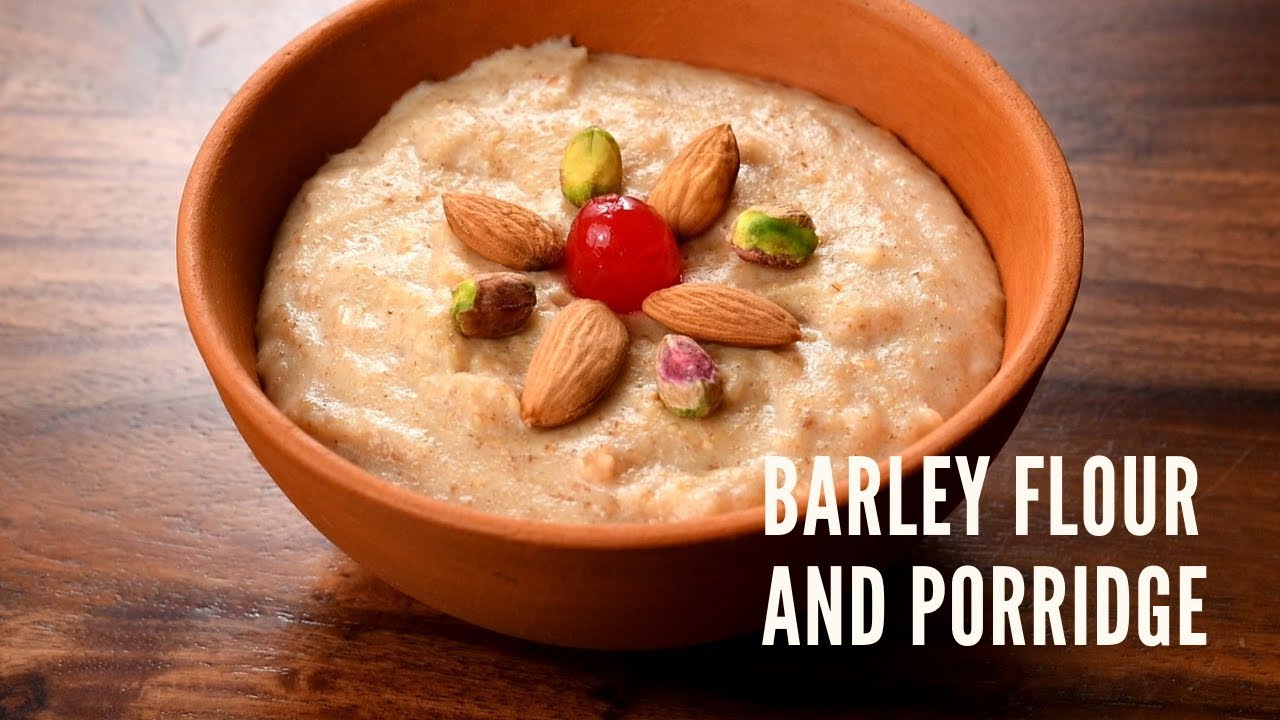
Barley Porridge is a warm, creamy dish prepared by slowly cooking barley grains or barley flour with water or milk until it reaches a smooth, thick consistency. In many Himalayan households, roasted barley flour is commonly used, while other versions rely on whole or cracked barley.

 6°C
6°C
- Temperature
- Rain Chance
- Wind


The porridge has a mildly nutty flavor with a naturally earthy taste. It can be served plain or enhanced with butter, milk, dried fruits, nuts, honey, or local herbs. Some savory versions include salt and butter, especially in colder mountain regions where calorie-rich meals help people withstand harsh climates.
Beyond its delicious taste, Barley Porridge holds cultural significance as a symbol of nourishment, resilience, and traditional mountain living.
Origin and History
Barley has been cultivated for thousands of years and is among the earliest domesticated cereal grains in human history. It thrives in cold, high-altitude environments where crops like rice and wheat struggle to grow, making it an ideal staple throughout the Himalayan region.
In Ladakh, barley is one of the most important agricultural crops. Locally grown barley has long been transformed into flour, bread, beverages, and porridge. Tibetan communities have similarly relied on barley as a dietary foundation, particularly in the form of roasted barley flour known as tsampa.
Historically, Barley Porridge served as an energy-rich meal for farmers, monks, traders, and travelers crossing rugged mountain passes. Even today, many families continue preparing it using recipes passed down through generations, preserving an important culinary tradition.
Ingredients
Barley Porridge requires only a few simple ingredients, making it both affordable and nutritious.
The main ingredients include:
- Barley grains, cracked barley, or roasted barley flour
- Water or milk
- Salt (for savory versions)
- Butter or ghee
- Honey or sugar (optional)
- Nuts such as almonds or walnuts
- Raisins or dried apricots
- Cardamom or cinnamon for additional flavor
Modern recipes may also include fresh fruits, seeds, yogurt, or plant-based milk alternatives for extra nutrition.
How It Is Prepared
Preparing Barley Porridge is straightforward, though cooking time depends on the type of barley used.
If using whole barley, the grains are first washed and soaked to reduce cooking time. They are then simmered in water or milk until soft and creamy. Roasted barley flour cooks much faster and is gradually whisked into boiling liquid to prevent lumps from forming.
The porridge is stirred continuously until it reaches the desired consistency. Sweet versions are finished with honey, dried fruits, nuts, and spices, while savory versions may include butter, salt, and herbs.
The final dish is warm, creamy, filling, and perfect for cold weather.
Variations
Barley Porridge has evolved into several regional and modern varieties.
Traditional Ladakhi Barley Porridge
Prepared with roasted local barley, water, butter, and a pinch of salt, this version is simple yet highly nourishing.
Tibetan Style
Often combined with butter tea or yak butter, this variation provides additional calories for high-altitude living.
Sweet Breakfast Version
Popular among modern households, this version includes milk, honey, cinnamon, fresh fruits, and mixed nuts.
Vegan Version
Plant-based milk such as oat, almond, or soy milk replaces dairy while maintaining a creamy texture.
Protein-Rich Variation
Some recipes include chia seeds, flaxseeds, or protein powder, making the porridge popular among fitness enthusiasts.
Why You Should Try It
There are many reasons to enjoy Barley Porridge.
First, it is incredibly nutritious. Barley contains dietary fiber, plant protein, antioxidants, B vitamins, iron, magnesium, and selenium. Its high fiber content promotes healthy digestion and helps maintain stable blood sugar levels.
Second, it is naturally filling without being overly heavy, making it an excellent breakfast or light meal.
Third, the porridge offers authentic insight into Himalayan food culture. Eating Barley Porridge allows visitors to experience a traditional meal that has sustained mountain communities for generations.
Finally, its versatility means everyone can customize it according to personal taste, whether sweet, savory, vegetarian, or vegan.
Where to Try It
If you want to enjoy authentic Barley Porridge, the Himalayan region offers the best experience.
Popular places include:
- Ladakh, especially Leh and nearby villages, where traditional homestays often prepare barley-based breakfasts.
- Monasteries across Ladakh and neighboring Himalayan regions, where simple barley meals remain part of daily life.
- Local family-run cafés serving traditional Ladakhi cuisine.
- Tibetan restaurants in India, Nepal, and Bhutan that feature barley-based dishes.
- Specialty Himalayan food festivals celebrating regional cuisine.
Outside the Himalayas, health-focused cafés and organic restaurants sometimes serve modern versions made with fresh fruits and superfoods.
FAQs
Is Barley Porridge healthy?
Yes. Barley Porridge is rich in dietary fiber, vitamins, minerals, antioxidants, and complex carbohydrates, making it a highly nutritious meal.
Is Barley Porridge gluten-free?
No. Barley naturally contains gluten, so it is not suitable for people with celiac disease or gluten intolerance.
Can Barley Porridge be eaten for breakfast?
Absolutely. It is commonly enjoyed as a hearty breakfast because it provides long-lasting energy and keeps you feeling full.
Can I prepare Barley Porridge with milk?
Yes. Both dairy and plant-based milk create a creamier texture and richer flavor compared to water alone.
What does Barley Porridge taste like?
It has a mild, nutty, earthy flavor with a creamy texture. The taste becomes sweeter when paired with honey, fruits, and spices.
Conclusion
Barley Porridge is much more than a simple bowl of cooked grain. It represents centuries of Himalayan tradition, sustainable farming, and wholesome nutrition. With its comforting texture, rich nutritional profile, and remarkable versatility, this timeless dish continues to appeal to both locals and travelers alike.
Whether you’re exploring the mountains of Ladakh, seeking healthier breakfast options, or discovering traditional cuisines, Barley Porridge is a satisfying dish that offers warmth, nourishment, and an authentic taste of Himalayan heritage.