

Introduction
Noodle Momos are a creative and mouthwatering twist on the traditional Himalayan dumpling known as momos. Popular in Nepal, Tibet, Bhutan, and parts of Northeast India, this fusion snack combines two comfort foods—noodles and dumplings—into one flavorful bite. Over the years, noodle momos have gained popularity in street food stalls, cafés, and fusion restaurants, especially among younger food lovers looking for something unique yet comforting. Their soft dumpling wrapper filled with seasoned noodles makes them both visually interesting and irresistibly tasty.
What is Noodle Momos?
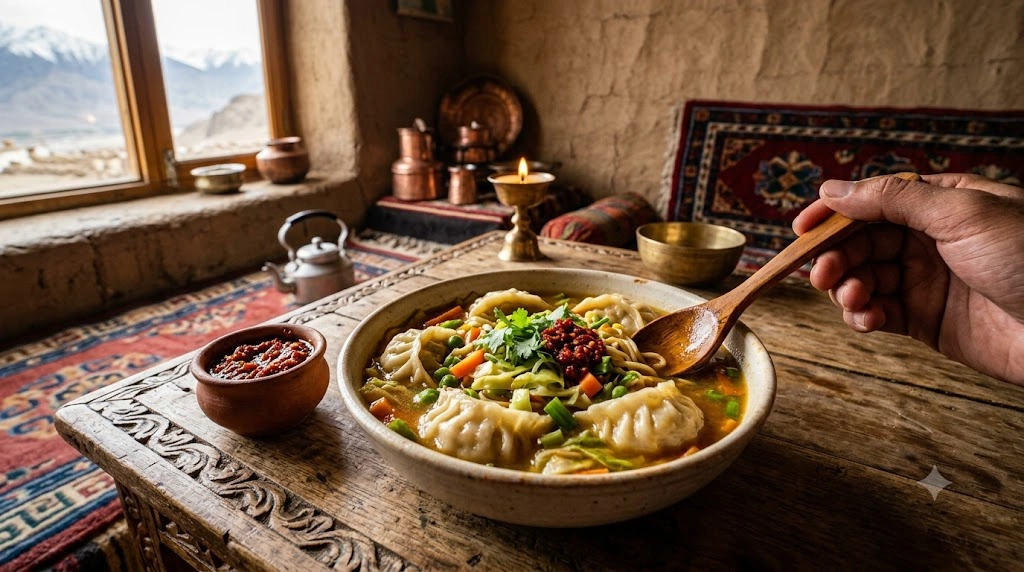
Noodle Momos are steamed or sometimes fried dumplings stuffed primarily with seasoned noodles instead of the usual vegetable or meat fillings. The noodles are often stir-fried with vegetables, soy sauce, garlic, and spices before being enclosed in a thin dough wrapper.
The taste of noodle momos is a delightful balance of textures—soft dumpling skin on the outside and savory, slightly chewy noodles inside. Depending on the seasoning, they can be mildly spiced or have a bold, umami-rich flavor profile.

 6°C
6°C
- Temperature
- Rain Chance
- Wind


Culturally, noodle momos represent modern Himalayan street food innovation. They are an example of how traditional recipes evolve by blending local culinary practices with global influences like Chinese stir-fry techniques.
Origin and History
Momos themselves originate from Tibetan cuisine and spread across the Himalayan regions through trade and migration. Traditionally, momos were filled with yak meat, vegetables, or cheese and were served as a staple snack or light meal.
The noodle momo is a relatively modern innovation that likely emerged from street food experimentation in Nepal and Indian hill regions such as Darjeeling and Sikkim. Vendors began mixing stir-fried noodles into momo wrappers to create a more filling and cost-effective variation.
As street food culture expanded across India and Nepal, noodle momos became popular in urban areas, especially among students and office workers seeking affordable, flavorful snacks.
Ingredients
Main Ingredients Used
The ingredients for noodle momos are simple yet flavorful:
- Wheat flour (for momo dough)
- Cooked noodles (usually wheat or egg noodles)
- Cabbage, carrots, capsicum, and spring onions
- Garlic and ginger
- Soy sauce or chili sauce
- Black pepper and salt
- Oil (for stir-frying)
- Optional proteins: chicken, paneer, or tofu
The combination of fresh vegetables and noodles gives the filling both crunch and softness, making every bite layered in texture.
How It Is Prepared
The preparation of noodle momos involves a few simple steps:
1. Preparing the Dough
A soft dough is made using flour and water. It is kneaded until smooth and left to rest for elasticity.
2. Making the Filling
Noodles are boiled and then stir-fried with finely chopped vegetables, garlic, ginger, soy sauce, and seasoning. The mixture is cooked until flavorful and slightly dry to prevent sogginess.
3. Shaping the Momos
Small dough circles are rolled out, and a spoonful of noodle filling is placed in the center. The edges are then carefully sealed and pleated into dumpling shapes.
4. Cooking
The momos are typically steamed for 8–10 minutes until the dough becomes soft and slightly translucent. Some variations are pan-fried or deep-fried for extra crispiness.
Variations
Noodle Momos have evolved into several exciting versions:
- Veg Noodle Momos: Filled with mixed vegetables and noodles
- Chicken Noodle Momos: Includes shredded spiced chicken
- Cheese Noodle Momos: A fusion version popular among younger crowds
- Fried Noodle Momos: Crispy exterior with a crunchy bite
- Spicy Schezwan Noodle Momos: Tossed in fiery Schezwan sauce
- Butter Garlic Noodle Momos: Rich, buttery flavor with garlic seasoning
Each variation reflects regional taste preferences and modern street food creativity.
Why You Should Try It
Noodle Momos are more than just a snack—they are a full sensory experience. The soft dumpling shell contrasts beautifully with the savory noodle filling, creating a unique texture that stands out from regular momos.
They are also highly customizable, making them suitable for vegetarians, meat lovers, and spice enthusiasts alike. Their affordability and quick preparation make them a favorite street food option.
Most importantly, noodle momos reflect the evolving nature of Himalayan cuisine, where traditional recipes are constantly being reinvented.
Where to Try It
Noodle momos are widely available in:
- Street food stalls in Kathmandu (Nepal)
- Cafés and momo shops in Darjeeling and Sikkim
- Food trucks in metropolitan Indian cities like Delhi, Kolkata, and Bangalore
- Himalayan-style restaurants across urban India and Nepal
They are especially popular near college areas and night food markets where fusion snacks are in high demand.
FAQs
1. Are noodle momos vegetarian?
Yes, noodle momos can be fully vegetarian, using only vegetables and noodles. Non-veg versions also exist.
2. How are noodle momos different from regular momos?
Regular momos are filled with minced meat or vegetables, while noodle momos use stir-fried noodles as the main filling.
3. Are noodle momos healthy?
They can be relatively healthy when steamed and filled with vegetables, but fried versions are higher in calories.
4. What sauces go best with noodle momos?
They pair well with spicy red chili chutney, soy-based dips, or Schezwan sauce.
5. Can noodle momos be made at home?
Yes, they are easy to prepare at home with basic ingredients like flour, noodles, and vegetables.
6. Are noodle momos spicy?
They are usually mildly spiced, but spice levels can be adjusted based on preference.
Conclusion
Noodle Momos are a perfect example of how traditional Himalayan cuisine has evolved into a modern street food favorite. Combining the comforting softness of dumplings with the savory richness of stir-fried noodles, they offer a unique culinary experience that appeals to all age groups. Whether you enjoy them steamed, fried, or spicy, noodle momos are a must-try fusion dish that continues to win hearts across South Asia and beyond.