

Introduction
Chhurpi Curry is a comforting Himalayan delicacy that showcases one of the region’s most treasured ingredients—chhurpi, a traditional cheese made from yak or cow’s milk. Known for its rich, earthy flavors and exceptional nutritional value, this hearty curry is especially popular in the mountainous regions of India, Nepal, Bhutan, and Tibet.
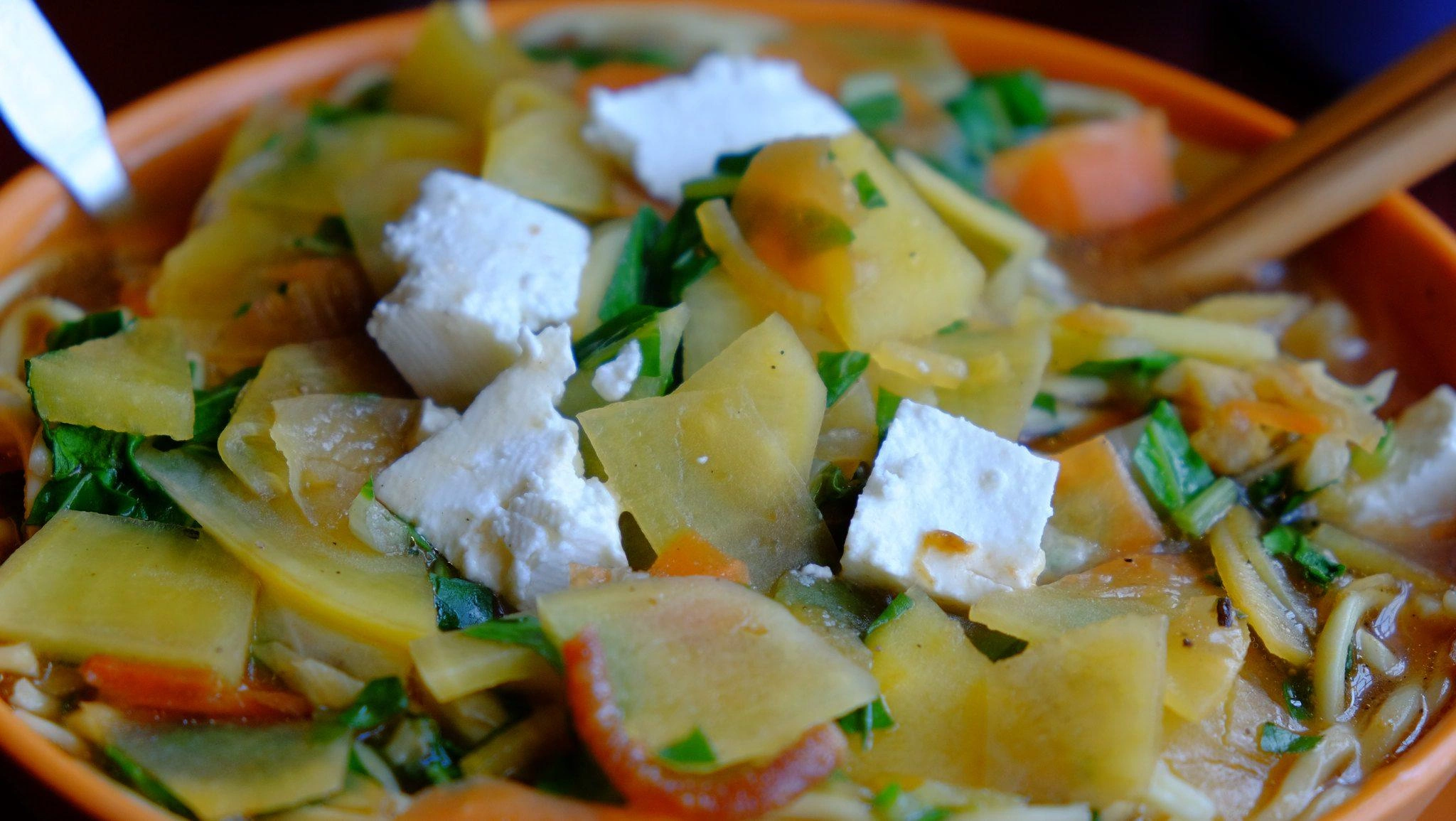
Prepared with vegetables, aromatic spices, and soft or semi-hard chhurpi, the dish offers a delicious combination of creamy textures and subtle smokiness. Whether enjoyed with steamed rice, Tibetan bread, or local flatbreads, Chhurpi Curry reflects the simple yet wholesome cuisine of the Himalayas.
What is Chhurpi Curry?
Chhurpi Curry is a savory dish featuring soft chhurpi, a fresh Himalayan cheese that readily absorbs the flavors of spices and vegetables during cooking. Unlike the hard variety of chhurpi—which is often chewed like candy—the soft version is ideal for curries, soups, and stews.

 6°C
6°C
- Temperature
- Rain Chance
- Wind


The curry typically combines onions, tomatoes, garlic, ginger, green chilies, turmeric, coriander, and local herbs to create a mildly spiced gravy. Depending on regional preferences, potatoes, spinach, peas, or mushrooms may also be added.
Its taste is mildly tangy, creamy, and slightly smoky, making it a comforting meal in cold mountain climates. Chhurpi Curry is also an important part of traditional Himalayan food culture, where dairy products have long been essential sources of nutrition.
Origin and History
Chhurpi Curry traces its roots to the Himalayan regions of Ladakh, Sikkim, Arunachal Pradesh, Nepal, Bhutan, and Tibet, where yak and mountain cattle have been raised for centuries.
The cheese itself is believed to have originated as a practical method of preserving milk in areas where refrigeration was unavailable. Local communities transformed fresh milk into cheese that could be stored for long periods, ensuring a reliable food supply during harsh winters.
As culinary traditions evolved, soft chhurpi became a versatile ingredient in daily meals. Families began cooking it with seasonal vegetables and locally grown spices, creating what is now known as Chhurpi Curry. Today, it remains a beloved comfort food while also attracting travelers eager to experience authentic Himalayan cuisine.
Ingredients
Although recipes vary slightly across regions, Chhurpi Curry commonly includes:
- Soft chhurpi (fresh Himalayan cheese)
- Onion
- Tomato
- Garlic
- Ginger
- Green chilies
- Turmeric powder
- Coriander powder
- Cumin seeds
- Fresh coriander leaves
- Mustard oil or vegetable oil
- Salt
- Water or light vegetable stock
Optional ingredients include:
- Potatoes
- Spinach
- Green peas
- Mushrooms
- Carrots
- Fresh cream or milk for a richer curry
How It Is Prepared
Preparing Chhurpi Curry is relatively simple and highlights the natural flavor of the cheese.
First, onions are sautéed in oil until golden brown. Ginger, garlic, and green chilies are then added to create an aromatic base. Chopped tomatoes and powdered spices are cooked until the mixture becomes thick and fragrant.
Soft chhurpi is cut into cubes or broken into bite-sized pieces before being gently added to the gravy. Since chhurpi absorbs flavors exceptionally well, it is simmered for several minutes along with vegetables if desired.
The curry is finished with fresh coriander leaves and served hot alongside steamed rice, chapati, khambir (traditional Ladakhi bread), or Tibetan-style flatbread.
Variations
Like many traditional Himalayan dishes, Chhurpi Curry has several regional interpretations.
Sikkim Style
Prepared with fresh chhurpi, local herbs, and mild spices, often featuring leafy greens and seasonal vegetables.
Nepali Version
Often includes tomatoes, potatoes, and green peas for a heartier curry with a slightly tangier flavor.
Bhutanese Style
May incorporate local chilies and butter, resulting in a richer and spicier dish.
Ladakhi Version
Uses simple seasonings that emphasize the natural taste of yak cheese and locally available vegetables.
Modern Fusion
Some restaurants add mushrooms, paneer, coconut milk, or cream to give the curry a contemporary twist while preserving its traditional essence.
Why You Should Try It
Chhurpi Curry offers a unique culinary experience that differs from conventional Indian curries.
Some reasons to try it include:
- Distinctive flavor from authentic Himalayan cheese
- Rich source of protein and calcium
- Warm, comforting meal ideal for cold weather
- Represents the traditional food culture of Himalayan communities
- Made using simple, wholesome ingredients
- Excellent vegetarian option packed with nutrition
Its combination of creamy cheese, aromatic spices, and fresh vegetables creates a satisfying dish that appeals to both adventurous travelers and comfort-food lovers.
Where to Try It
The best Chhurpi Curry can be found in regions where chhurpi has been produced for generations.
Popular destinations include:
- Ladakh, especially local homestays and traditional cafés in Leh
- Sikkim, where many family-run restaurants prepare authentic versions
- Gangtok, offering both traditional and modern Himalayan cuisine
- Darjeeling, known for Nepali and Tibetan eateries
- Arunachal Pradesh, where local communities serve regional specialties
- Kathmandu, Nepal, at restaurants specializing in Himalayan cuisine
- Bhutan, particularly local dining establishments featuring traditional meals
Many Himalayan food festivals also include Chhurpi Curry as part of their regional cuisine showcases.
FAQs
Is Chhurpi Curry vegetarian?
Yes. Traditional Chhurpi Curry is a vegetarian dish made with Himalayan cheese, vegetables, and spices.
What does chhurpi taste like?
Soft chhurpi has a mildly tangy, creamy, and slightly smoky flavor that blends beautifully with curry spices.
Is Chhurpi Curry spicy?
Most traditional recipes are mildly spiced, although the heat level can be adjusted by adding more or fewer chilies.
Can I make Chhurpi Curry at home?
Yes. If authentic chhurpi is available, it can be easily prepared using common curry ingredients like onions, tomatoes, ginger, garlic, and spices.
Is chhurpi healthy?
Yes. Chhurpi is naturally rich in protein, calcium, and essential nutrients, making it a nutritious addition to a balanced diet.
What is served with Chhurpi Curry?
It pairs well with steamed rice, Tibetan bread, chapati, naan, or traditional Himalayan flatbreads.
Conclusion
Chhurpi Curry is more than just a cheese-based dish—it is a reflection of Himalayan heritage, resourcefulness, and culinary tradition. Combining nutritious chhurpi with fragrant spices and fresh vegetables, it delivers a comforting meal that is both flavorful and wholesome.
Whether you’re exploring the mountain regions of India, Nepal, or Bhutan, or recreating Himalayan recipes at home, Chhurpi Curry offers an authentic taste of one of the world’s most fascinating food cultures. Its unique ingredients, rich history, and satisfying flavors make it a must-try dish for anyone interested in regional cuisine.