

Introduction
Tsampa is one of the oldest and most cherished foods in the Himalayan region. Made from roasted barley flour, this simple yet nourishing staple has sustained generations of people living in the high-altitude landscapes of Ladakh, Tibet, Bhutan, and parts of Nepal. Rich in nutrients, easy to prepare, and deeply rooted in local culture, Tsampa remains a beloved food despite the arrival of modern cuisine.
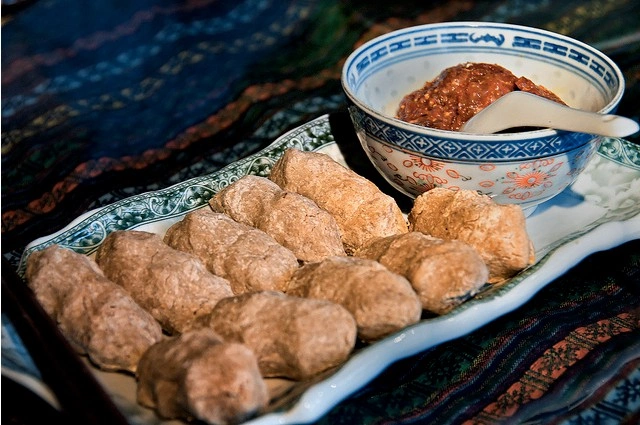
Whether eaten as a quick breakfast, mixed into butter tea, or shaped into dough balls for travel, Tsampa reflects the resilience and traditions of Himalayan communities. Today, travelers and health-conscious food lovers are increasingly discovering this wholesome superfood.
What is Tsampa?
Tsampa is a traditional flour made by roasting barley grains before grinding them into a fine powder. Unlike regular flour, Tsampa requires no further cooking, making it one of the most convenient staple foods in the Himalayas.

 6°C
6°C
- Temperature
- Rain Chance
- Wind


The flour has a pleasantly nutty aroma and a slightly smoky flavor from the roasting process. It is commonly mixed with butter tea, milk, yogurt, or water to form a thick paste or dough. Some people also sweeten it with honey or sugar, while others enjoy it with salt and butter.
Beyond its nutritional value, Tsampa carries immense cultural and spiritual significance. In Tibetan Buddhist traditions, roasted barley flour is often used during religious ceremonies, festivals, and celebrations as a symbol of prosperity and good fortune.
Origin and History
The history of Tsampa stretches back over a thousand years across the Tibetan Plateau and the Himalayan regions. Barley became the ideal crop because it could withstand the harsh climate, short growing season, and cold temperatures found at high altitudes.
As communities developed in Ladakh and neighboring regions, roasted barley flour became a practical everyday food. Since it required no cooking after roasting, travelers, traders, monks, shepherds, and soldiers could carry it easily during long journeys.
Over time, Tsampa became more than just a staple—it evolved into a cultural symbol. During festivals and religious ceremonies, handfuls of Tsampa are tossed into the air as blessings for happiness, prosperity, and a successful future.
Today, although modern foods are widely available, Tsampa continues to be an important part of Himalayan diets and cultural identity.
Ingredients
Traditional Tsampa contains only a few simple ingredients:
- Roasted barley grains
- Sometimes roasted wheat or millet (regional variations)
- Butter tea, milk, yogurt, or water for mixing
- Yak butter or regular butter (optional)
- Salt, sugar, or honey according to taste
Because the ingredient list is minimal, the quality of the barley plays an important role in determining the flavor and texture.
How It Is Prepared
Preparing Tsampa is remarkably simple.
Roasting the Barley
Fresh barley grains are roasted over moderate heat until they develop a golden color and nutty aroma.
Grinding
The roasted grains are then ground into a fine flour using traditional stone mills or modern grinders.
Mixing
The flour is placed in a bowl and mixed with butter tea, hot water, milk, or yogurt.
Kneading
The mixture is stirred or kneaded by hand until it forms a soft dough or thick paste.
Serving
Tsampa is enjoyed immediately, often accompanied by butter tea, dried cheese, yogurt, or local pickles.
Because the flour is already roasted, no additional cooking is necessary, making it ideal for busy mornings and long journeys.
Variations
Although the traditional recipe remains popular, several regional and modern variations exist.
Classic Tibetan Tsampa
Prepared with roasted barley flour and butter tea, this remains the most authentic version.
Ladakhi Tsampa
Often served with local butter tea or yogurt and sometimes combined with dried apricots during harvest seasons.
Sweet Tsampa
Mixed with milk, honey, sugar, raisins, or nuts to create a nutritious breakfast or snack.
Modern Health Bowl
Fitness enthusiasts blend Tsampa with yogurt, fruits, seeds, and nuts to make protein-rich breakfast bowls.
Energy Bars
Some contemporary recipes incorporate Tsampa into homemade granola bars, cookies, and protein snacks.
Why You Should Try It
There are many reasons why Tsampa deserves a place on your culinary bucket list.
Rich in Nutrition
Roasted barley is naturally high in dietary fiber, complex carbohydrates, vitamins, and essential minerals. It provides steady energy without feeling heavy.
Unique Flavor
Its roasted, earthy, and slightly nutty taste offers something different from ordinary wheat-based foods.
Convenient
Since Tsampa requires no cooking after preparation, it is perfect for hikers, trekkers, campers, and travelers.
Deep Cultural Heritage
Eating Tsampa offers insight into centuries-old Himalayan traditions that continue to shape everyday life.
Naturally Filling
A small serving can keep you satisfied for hours, making it an excellent breakfast or travel food.
Where to Try It
If you’re visiting the Himalayas, there are several places where you can enjoy authentic Tsampa.
Ladakh, India
Leh and nearby villages serve traditional Tsampa in local homes, guesthouses, and Ladakhi restaurants.
Tibet
Tsampa remains a daily staple throughout the Tibetan Plateau and is available in both rural communities and urban eateries.
Bhutan
Many traditional Bhutanese households prepare their own version using locally grown barley.
Nepal
Mountain lodges in trekking regions occasionally serve Tsampa as a hearty breakfast for trekkers.
Many Himalayan cultural cafés in major cities also feature Tsampa on their menus, often with modern twists.
FAQs
Is Tsampa healthy?
Yes. Tsampa is rich in fiber, protein, vitamins, and minerals while providing slow-releasing energy that keeps you full for longer.
Is Tsampa gluten-free?
Traditional Tsampa made from barley contains gluten. People with celiac disease or gluten intolerance should avoid it unless made from certified gluten-free grains.
Can Tsampa be eaten without cooking?
Yes. Since the barley is roasted before grinding, Tsampa is ready to eat after simply mixing it with a liquid.
What does Tsampa taste like?
It has a roasted, nutty, earthy flavor with a slightly smoky aroma that pairs well with butter tea, milk, or yogurt.
Is Tsampa suitable for vegetarians?
Yes. Traditional Tsampa is vegetarian, although some recipes include yak butter or dairy products. Vegan versions can be made using plant-based milk.
Conclusion
Tsampa is much more than roasted barley flour—it’s a symbol of Himalayan resilience, culture, and tradition. Its simple preparation, excellent nutritional value, and rich history have made it a staple food for centuries across Ladakh, Tibet, Bhutan, and Nepal. Whether enjoyed in its traditional form with butter tea or reimagined in modern breakfast bowls and energy snacks, Tsampa offers a delicious connection to one of the world’s oldest culinary traditions.