
Introduction
Yak Butter is one of the most important traditional dairy products in the high-altitude regions of the Himalayas. Produced primarily from the milk of yaks, it has been a dietary staple for centuries in regions such as Tibet, Ladakh, Nepal, and Bhutan. Known for its rich texture, high energy content, and cultural significance, Yak Butter is more than just a food ingredient—it is a symbol of survival and heritage in some of the world’s harshest climates.
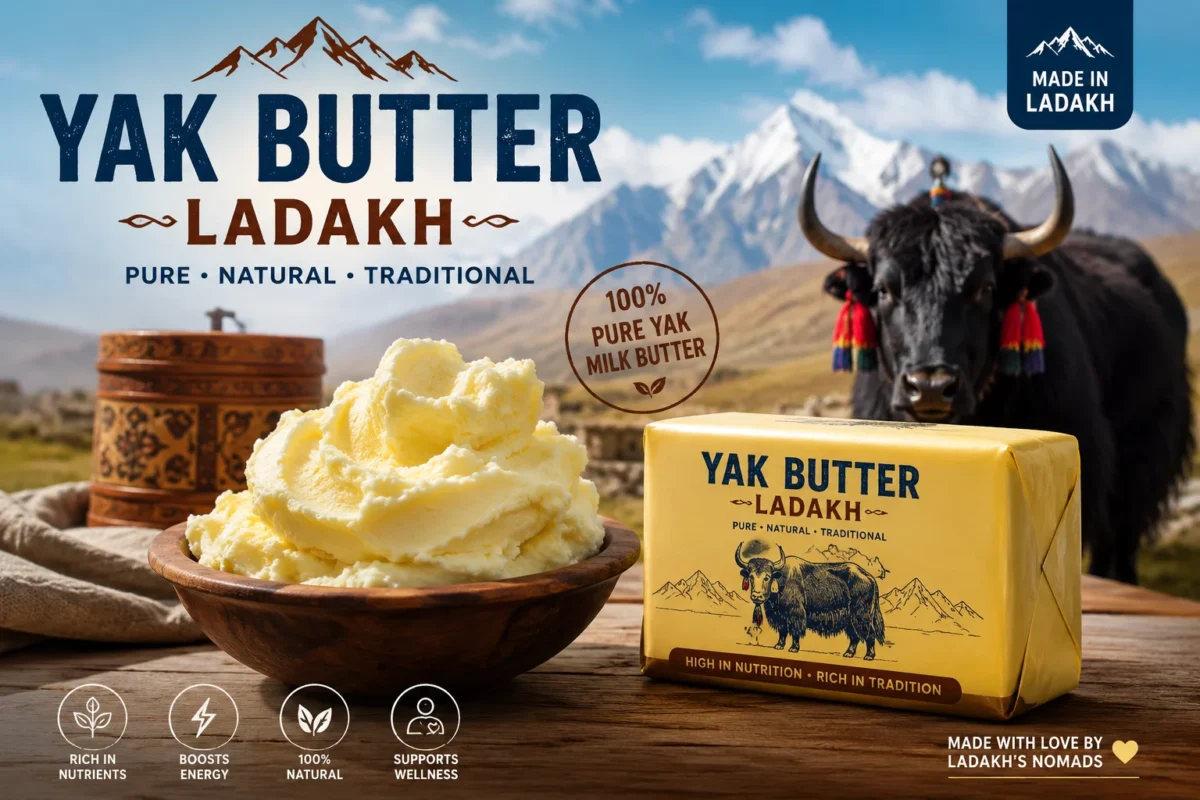
In modern times, Yak Butter has gained global attention due to its nutritional value and its role in traditional Himalayan beverages like butter tea.
What is Yak Butter?
Yak Butter is a dairy product made by churning the milk of female yaks. It is thick, creamy, and has a distinct earthy aroma compared to cow’s butter.

 6°C
6°C
- Temperature
- Rain Chance
- Wind


Taste and Characteristics
- Rich, creamy, and slightly tangy
- Higher fat content than cow butter
- Dense texture suitable for high-altitude energy needs
Cultural Significance
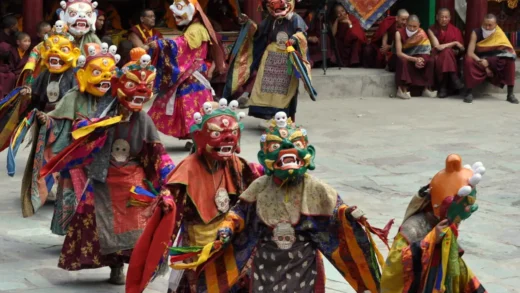
In Himalayan cultures, Yak Butter is not just food—it is part of daily life and spiritual practice. It is used in religious lamps in monasteries, offered in rituals, and consumed for warmth and energy.
Origin and History
Yak Butter originates from the high-altitude regions of the Himalayas, especially in areas like the Tibetan Plateau and the northern parts of India such as Ladakh.
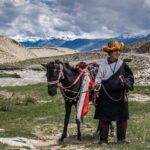
Historically, nomadic communities such as Tibetan herders relied on yaks for milk, meat, wool, and transport. Since agriculture is limited in these cold, rugged terrains, yak dairy products became a primary source of nutrition.
Over time, Yak Butter became deeply embedded in Tibetan Buddhist culture, where it is famously used in butter lamps (called “chöme”) that symbolize enlightenment and wisdom.
Ingredients
The production of Yak Butter is simple and natural.
Main Ingredients:
- Fresh yak milk
- Natural fermentation culture (sometimes sour milk or whey is added)
- Clean water (for churning process)
No artificial additives or preservatives are used, making it one of the purest traditional dairy fats in the world.
How It Is Prepared
The process of making Yak Butter is traditional and labor-intensive.
Step-by-Step Process:
- Milking the Yak: Female yaks are milked manually in the early morning.
- Fermentation: The milk is allowed to sit and naturally ferment, developing a slightly sour base.
- Churning: The fermented milk is churned using a wooden churner until butter separates from buttermilk.
- Separation: The solid butter is collected and washed with cold water.
- Storage: It is shaped into blocks and stored in cool conditions or sometimes preserved in leather bags.
This traditional method is still widely practiced in rural Himalayan communities.
Variations
Yak Butter is used in several forms across Himalayan regions.
1. Salted Yak Butter
Mixed with salt for preservation and stronger taste.
2. Butter Tea (Po Cha / Gur Gur Cha)
One of the most famous uses of Yak Butter, mixed with tea, salt, and sometimes barley flour.
3. Clarified Yak Butter (Ghee-like)
In some regions, it is melted and clarified for cooking or religious lamps.
4. Modern Culinary Uses
In urban areas and restaurants, Yak Butter is sometimes used in baked goods, sauces, and fusion Himalayan dishes.
Why You Should Try It
Yak Butter is not just food—it is a cultural and nutritional experience.
Key Reasons:
- High Energy Source: Perfect for cold climates and high-altitude living.
- Unique Flavor: Earthy, rich, and unlike standard dairy butter.
- Cultural Experience: Deeply tied to Himalayan traditions and rituals.
- Natural and Organic: Traditionally produced without chemicals or industrial processing.
For travelers, trying Yak Butter dishes is one of the most authentic ways to experience Himalayan cuisine.
Where to Try It
Yak Butter is commonly found in Himalayan regions where yaks are raised.
Best Places:
- Ladakh – Especially in Leh and surrounding villages, where butter tea is widely served.
- Tibet – The cultural heartland of yak butter production and usage.
- Bhutan – Traditional homes and monasteries serve butter tea daily.
- Nepal (Himalayan regions like Mustang and Dolpo)
Popular Experience Spots:
- Local homestays in Leh
- Monasteries in Tibetan regions
- Himalayan trekking tea houses
FAQs
1. What is Yak Butter made from?
Yak Butter is made from the milk of female yaks, typically through natural churning and fermentation.
2. Does Yak Butter taste like cow butter?
It is richer, more earthy, and slightly tangier than cow butter due to its higher fat content and fermentation process.
3. Is Yak Butter healthy?
Yes, it is rich in calories, fats, and nutrients, making it ideal for high-altitude energy needs.
4. What is Yak Butter mainly used for?
It is used in cooking, butter tea, religious rituals, and traditional medicine in Himalayan cultures.
5. Can tourists buy Yak Butter?
Yes, it is available in local markets in Ladakh, Tibet, and Nepal, though freshness may vary.
6. Is Yak Butter vegan?
No, it is a dairy product derived from yak milk.
Conclusion
Yak Butter is far more than a traditional dairy product—it is a lifeline for Himalayan communities and a symbol of resilience in extreme environments. From nourishing nomadic herders to playing a sacred role in monasteries, it holds deep cultural and nutritional importance.
Whether enjoyed in a warm cup of butter tea or used in traditional cooking, Yak Butter offers a rare taste of the Himalayas. For travelers and food enthusiasts alike, it is an unforgettable culinary experience that connects food, culture, and geography in the most authentic way.