

Introduction
Yak Sausage is a unique meat delicacy enjoyed across the high-altitude regions of the Himalayas, particularly in Ladakh, Tibet, Nepal, and parts of Bhutan. Made from nutrient-rich yak meat, this traditional sausage is prized for its smoky flavor, firm texture, and high protein content. For centuries, Himalayan communities have relied on yak products for food and survival in harsh mountain climates, making Yak Sausage an important part of local culinary heritage.
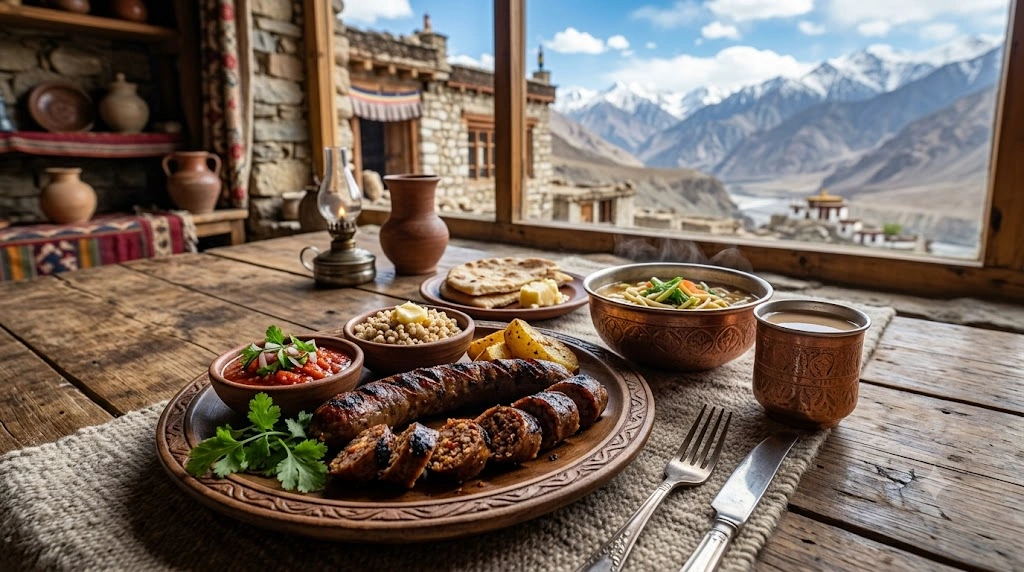
Today, Yak Sausage has gained popularity among adventurous food lovers and travelers seeking authentic mountain cuisine. Whether grilled over an open fire, pan-fried, or served alongside traditional breads, it offers a memorable taste of Himalayan culture.
What is Yak Sausage?
Yak Sausage is a traditional sausage made primarily from minced yak meat mixed with herbs, spices, salt, and natural seasonings before being stuffed into natural casings. Depending on the region, the sausage may be fresh, smoked, air-dried, or lightly cured.

 5°C
5°C
- Temperature
- Rain Chance
- Wind


Yak meat is naturally lean yet flavorful, offering a rich, slightly sweet taste that is often compared to a cross between beef and bison. Because yaks graze freely on alpine grasses and herbs, their meat develops a distinctive earthy flavor.
In Himalayan communities, Yak Sausage is more than just food. It represents resourcefulness and sustainability, as nearly every part of the yak is utilized. Families traditionally prepare sausages during colder months, ensuring a reliable source of protein throughout winter when fresh food is scarce.
Origin and History
Yak Sausage originates from the rugged Himalayan plateau, where yaks have been domesticated for thousands of years. The animal has long served as an essential source of meat, milk, wool, transportation, and labor for mountain communities.
As preserving meat became necessary due to long winters and limited refrigeration, local people developed methods of smoking, drying, and curing yak meat. Sausage-making became one of the most effective ways to preserve meat while enhancing its flavor.
Over generations, each region developed its own version of Yak Sausage using locally available herbs and spices. Today, it remains a staple in many mountain households and is increasingly featured in regional restaurants and cultural food festivals.
Ingredients
Traditional Yak Sausage uses simple, natural ingredients that allow the quality of the meat to shine.
Common ingredients include:
- Lean yak meat
- Yak fat or animal fat
- Garlic
- Ginger
- Salt
- Black pepper
- Himalayan spices
- Local herbs
- Red chili (optional)
- Natural sausage casings
Some modern recipes also incorporate onions, coriander, cumin, or smoked paprika to create additional layers of flavor while preserving the traditional character of the sausage.
How It Is Prepared
Preparing Yak Sausage is both an art and a practical preservation technique.
Step 1: Preparing the Meat
Fresh yak meat is trimmed and minced along with a small amount of fat to maintain moisture and texture.
Step 2: Seasoning
The minced meat is thoroughly mixed with garlic, ginger, salt, pepper, herbs, and regional spices until evenly combined.
Step 3: Stuffing
The seasoned mixture is carefully stuffed into cleaned natural casings, creating evenly sized sausages.
Step 4: Drying or Smoking
Depending on local traditions, the sausages may be:
- Air-dried in cold mountain air
- Smoked over wood fires
- Cooked fresh immediately after preparation
Smoking adds a distinctive aroma while extending shelf life.
Step 5: Cooking
Before serving, Yak Sausage is commonly:
- Grilled
- Pan-fried
- Roasted
- Simmered in soups or stews
It is often paired with roasted potatoes, traditional flatbreads, rice, or local chutneys.
Variations
Different Himalayan regions prepare Yak Sausage in unique ways.
Traditional Smoked Yak Sausage
The most common version is slowly smoked over hardwood, producing a rich smoky aroma and deeper flavor.
Fresh Yak Sausage
Prepared without smoking, this variety is cooked shortly after stuffing and has a juicier texture.
Spicy Himalayan Yak Sausage
Many recipes include local red chilies, Sichuan pepper, or Himalayan spice blends for added heat.
Air-Dried Yak Sausage
Some mountain communities naturally dry sausages in cool alpine conditions, creating a firmer texture similar to cured meats.
Modern Fusion Versions
Contemporary chefs serve Yak Sausage in gourmet dishes such as:
- Gourmet burgers
- Pasta
- Pizza toppings
- Breakfast platters
- Charcuterie boards
These creative adaptations introduce traditional Himalayan flavors to a wider audience.
Why You Should Try It
Yak Sausage offers an unforgettable culinary experience for several reasons.
Rich, Natural Flavor
Yak meat delivers a bold yet clean taste with subtle earthy notes that distinguish it from conventional beef sausages.
High Nutritional Value
Yak meat is naturally high in protein while being relatively low in fat, making it a nutritious choice for meat lovers.
Cultural Experience
Every bite reflects centuries of Himalayan traditions and sustainable mountain living.
Traditional Preservation Methods
The smoking and drying techniques create complex flavors rarely found in commercial sausages.
Perfect for Adventurous Food Lovers
If you enjoy exploring regional cuisines, Yak Sausage offers a genuine taste of Himalayan heritage.
Where to Try It
The best Yak Sausage is typically found in high-altitude regions where yak farming remains an important part of daily life.
Popular destinations include:
- Ladakh, India
- Tibet
- Nepal’s Himalayan villages
- Bhutan
- Sikkim, India
Travelers can enjoy authentic Yak Sausage at:
- Traditional mountain homestays
- Local family-run restaurants
- Himalayan food festivals
- Adventure trekking lodges
- Specialty restaurants serving regional Himalayan cuisine
Many local markets also sell smoked or vacuum-packed Yak Sausage, making it a popular edible souvenir.
FAQs
Is Yak Sausage healthy?
Yes. Yak meat is naturally rich in protein, iron, zinc, and vitamin B12 while generally containing less fat than conventional beef.
What does Yak Sausage taste like?
It has a rich, slightly sweet, mildly gamey flavor with earthy notes and a firm, juicy texture.
Is Yak Sausage spicy?
Traditional recipes are usually mildly seasoned, although some regional varieties include local chilies for extra heat.
Can Yak Sausage be smoked?
Yes. Smoking is one of the oldest and most common preparation methods, adding flavor while preserving the meat.
Is Yak Sausage available outside the Himalayas?
Specialty meat suppliers and select Himalayan restaurants occasionally offer Yak Sausage, though authentic versions are most commonly found in Himalayan regions.
Conclusion
Yak Sausage is far more than a traditional meat product—it’s a reflection of Himalayan history, resilience, and sustainable living. Crafted from lean yak meat and seasoned with local herbs and spices, this flavorful delicacy has nourished mountain communities for generations. Whether enjoyed freshly grilled, smoked, or incorporated into modern dishes, Yak Sausage delivers a distinctive taste that celebrates the rich culinary traditions of the Himalayas. For anyone exploring Himalayan cuisine, this unique sausage is a must-try experience that combines exceptional flavor with centuries of cultural heritage.