

Introduction
Chhurpi is one of the oldest and most unique dairy products found in the Himalayan region. Popular in Ladakh, Sikkim, Arunachal Pradesh, Bhutan, and Nepal, this traditional cheese is famous for its chewy texture, rich nutritional value, and long shelf life. Whether enjoyed as a soft cheese in curries or as a rock-hard snack that can be chewed for hours, Chhurpi has become an essential part of mountain cuisine.
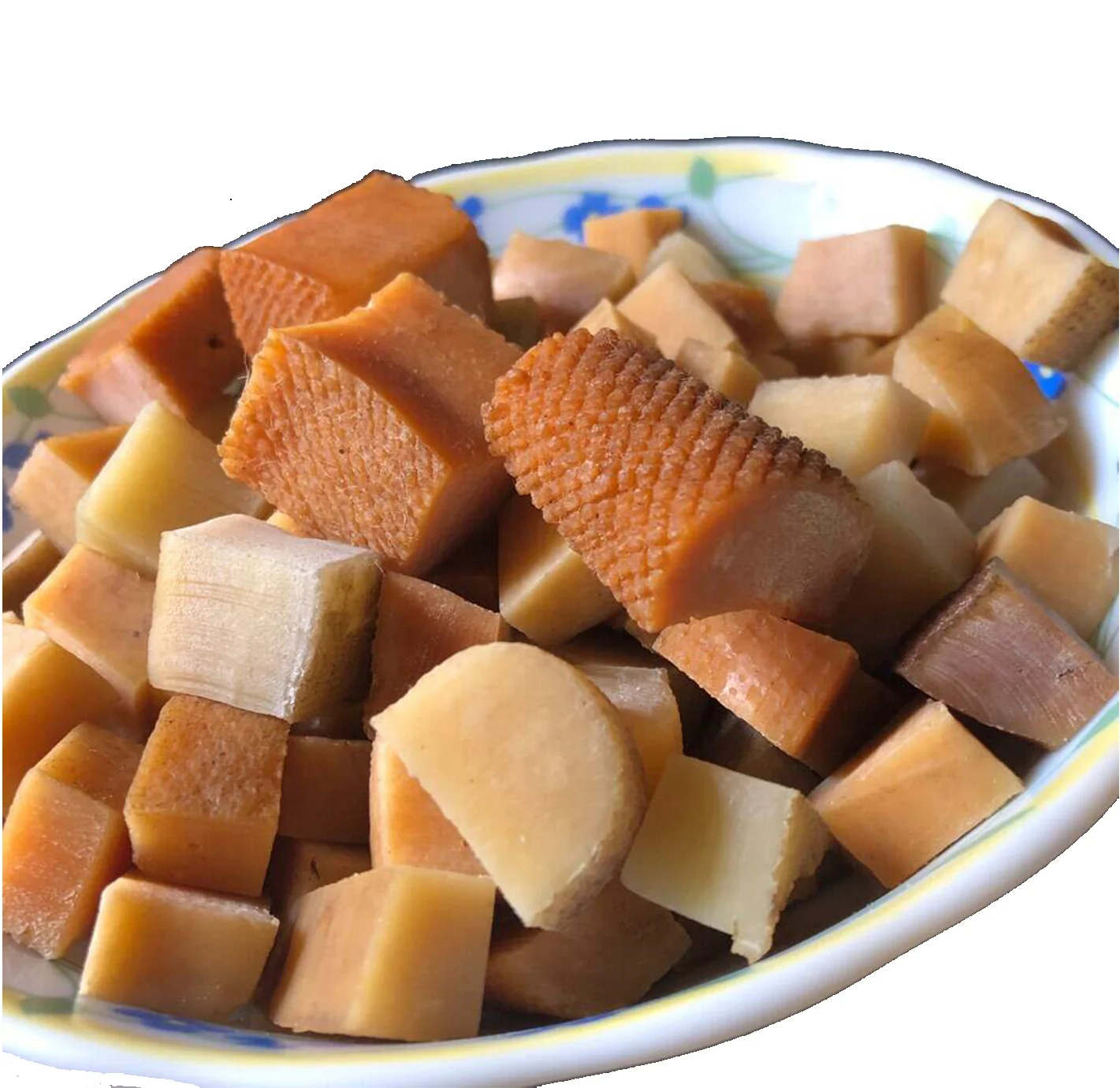
Made primarily from yak or cow’s milk, Chhurpi reflects the resourcefulness of Himalayan communities, where preserving food for long winters has always been a necessity. Today, it is appreciated not only by locals but also by travelers seeking authentic regional flavors.
What is Chhurpi?
Chhurpi is a traditional Himalayan cheese made by separating curd from milk and then drying it naturally. Depending on how it is processed, Chhurpi comes in two main forms:

 20°C
20°C
- Temperature
- Rain Chance
- Wind





- Soft Chhurpi, which has a mild, creamy texture and is used in curries, soups, and stir-fries.
- Hard Chhurpi, which is dried until it becomes extremely firm and is chewed like a natural snack.
The cheese has a mildly tangy, smoky, and milky flavor. Hard Chhurpi gradually softens as it is chewed, releasing its rich dairy taste over time.
For generations, Chhurpi has been valued not just as food but as an important source of protein and energy for people living in high-altitude Himalayan regions.
Origin and History
The origins of Chhurpi date back hundreds of years to the Himalayan mountains, where communities depended heavily on yak and cattle for survival. Fresh milk spoiled quickly in remote villages, so locals developed methods to preserve it by converting it into long-lasting cheese.
The name “Chhurpi” is widely associated with Nepal, Sikkim, and other Himalayan regions, although similar cheeses have long been produced throughout Ladakh and Bhutan. Traditional families passed down cheese-making techniques from one generation to the next.
Because hard Chhurpi can last for several months without refrigeration, it became an ideal food for shepherds, traders, monks, and travelers crossing mountain passes. Today, it remains an important part of Himalayan culinary heritage while also gaining popularity as a healthy natural snack.
Ingredients
Chhurpi is made using simple, natural ingredients.
Main Ingredients
- Fresh yak milk, cow’s milk, or a mixture of both
- Natural souring agent or buttermilk
- Water (if required during processing)
- Salt (optional, depending on regional recipes)
Traditional Chhurpi contains no artificial preservatives, making it a wholesome and nutritious dairy product.
How It Is Prepared
Making Chhurpi requires patience and traditional knowledge.
Step 1: Heating the Milk
Fresh milk is gently heated until warm but not boiling.
Step 2: Curdling
A natural souring agent or fermented buttermilk is added to separate the curds from the whey.
Step 3: Draining
The curds are collected in cloth bags and pressed to remove excess moisture.
Step 4: Shaping
The cheese is formed into blocks or small pieces.
Step 5: Drying
For soft Chhurpi, the cheese is consumed fresh after pressing.
For hard Chhurpi, the cheese is dried under sunlight or in well-ventilated rooms for several days or even weeks until it becomes extremely firm.
The drying process gives hard Chhurpi its famous chewy texture and extended shelf life.
Variations
Different Himalayan regions prepare Chhurpi in their own unique ways.
Soft Chhurpi
This fresh version is commonly cooked with vegetables, leafy greens, potatoes, or local herbs. It has a creamy texture and mild flavor.
Hard Chhurpi
The most recognizable variety, hard Chhurpi is dried until rock solid and slowly chewed as a protein-rich snack.
Smoked Chhurpi
Some villages smoke the cheese over wood fires, adding a distinctive smoky aroma and deeper flavor.
Modern Flavored Versions
Commercial producers now offer flavored Chhurpi seasoned with herbs, spices, and chili, appealing to younger consumers and tourists.
Why You Should Try It
Chhurpi offers a food experience unlike almost any other cheese.
Some of the reasons to try it include:
- Rich in natural protein and calcium
- Made using traditional Himalayan methods
- Long shelf life without artificial preservatives
- Unique chewy texture that lasts for hours
- Authentic taste of Himalayan culture
- Popular among trekkers and mountain travelers as an energy-rich snack
Its combination of nutrition, tradition, and distinctive texture makes Chhurpi one of the most memorable foods of the Himalayas.
Where to Try It
If you want to taste authentic Chhurpi, visit Himalayan regions where it has been prepared for centuries.
Popular places include:
- Ladakh, especially local markets in Leh
- Sikkim, where both soft and hard Chhurpi are widely available
- Arunachal Pradesh, particularly traditional tribal villages
- Nepal, especially Kathmandu markets and mountain regions
- Bhutan, where Chhurpi is often served with traditional meals
Many Himalayan cafés, local restaurants, monasteries, and village homestays serve dishes featuring fresh Chhurpi. Local food markets are also excellent places to purchase packaged hard Chhurpi as a souvenir.
FAQs
Is Chhurpi healthy?
Yes. Chhurpi is naturally rich in protein, calcium, and essential nutrients. It contains very few additives when traditionally prepared.
Why is hard Chhurpi so hard?
The cheese is dried for several weeks, removing most of its moisture. This preservation method creates its signature rock-hard texture.
How do you eat Chhurpi?
Soft Chhurpi is cooked in curries, soups, and vegetable dishes. Hard Chhurpi is slowly chewed like a natural snack.
What milk is used to make Chhurpi?
Traditional Chhurpi is made from yak milk, cow’s milk, or a combination of both, depending on the region.
Can vegetarians eat Chhurpi?
Yes. Traditional Chhurpi is made entirely from milk using natural curdling methods and is suitable for lacto-vegetarians.
How long does Chhurpi last?
Soft Chhurpi should be consumed within a few days if refrigerated. Hard Chhurpi can last for several months when stored in a cool, dry place.
Conclusion
Chhurpi is much more than a traditional cheese—it is a symbol of Himalayan culture, resilience, and sustainable food preservation. From its humble beginnings in remote mountain villages to its growing popularity among travelers and health-conscious food lovers, Chhurpi continues to showcase the rich culinary traditions of the Himalayas.
Whether you enjoy the creamy softness of fresh Chhurpi or the satisfying chew of its hard variety, this unique cheese offers an authentic taste of mountain life. If you’re exploring Ladakh, Sikkim, Nepal, or Bhutan, tasting Chhurpi is a culinary experience you won’t want to miss.