
Introduction
Butter Tea (Gur Gur Cha) is one of the most iconic beverages of the Himalayan region, especially in Ladakh, Tibet, and neighboring mountain communities. Unlike ordinary tea, this warming drink combines tea leaves, butter, salt, and milk to create a rich, creamy, and nourishing beverage. For centuries, it has helped people survive the harsh winters and high-altitude conditions of the Himalayas.
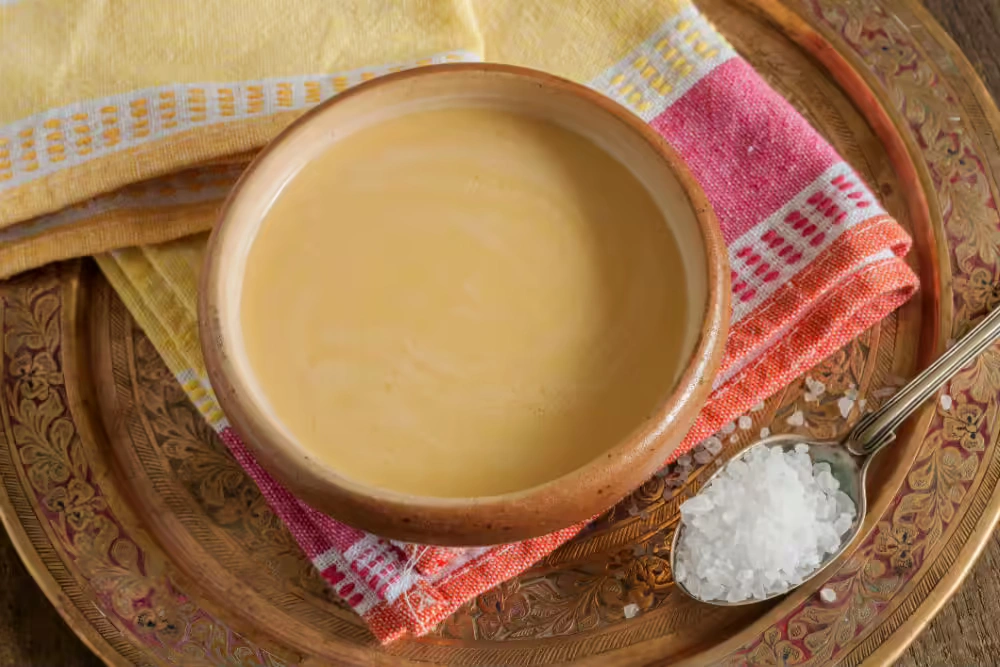
Whether you’re exploring Ladakhi cuisine or searching for authentic Himalayan flavors, Butter Tea (Gur Gur Cha) offers a unique taste and an unforgettable cultural experience.
What is Butter Tea (Gur Gur Cha)?
Butter Tea (Gur Gur Cha) is a traditional Himalayan tea prepared by blending strong black tea with yak butter (or cow butter), milk, salt, and sometimes a little cream. The ingredients are churned together until they become smooth and frothy, resulting in a savory drink rather than the sweet tea most people are familiar with.

 11°C
11°C
- Temperature
- Rain Chance
- Wind


The name “Gur Gur Cha” comes from the traditional churning process, where the tea is vigorously mixed using a long wooden churn that produces a distinctive “gur gur” sound.
Unlike sweet milk tea, Butter Tea has a creamy texture, mildly salty flavor, and buttery richness. It is highly valued not only for its taste but also for the energy, warmth, and hydration it provides in cold mountain climates.
In Ladakhi culture, offering Butter Tea to guests is considered a symbol of hospitality, friendship, and respect.
Origin and History
Butter Tea traces its origins to the Tibetan Plateau, where it has been consumed for over a thousand years. As trade routes connected Tibet with Ladakh, Nepal, Bhutan, and other Himalayan regions, the tradition of drinking Butter Tea spread across these mountainous landscapes.
Tea leaves were historically transported from China into Tibet via ancient trade routes. Since fresh vegetables and cooking oils were scarce in high-altitude regions, people began adding locally available yak butter and salt to tea, creating a calorie-rich beverage that helped them endure freezing temperatures.
In Ladakh, Butter Tea became an essential part of everyday life. Families typically drink several cups throughout the day, especially during winter, while farmers, monks, and travelers rely on it for warmth and sustained energy.
Today, Butter Tea remains deeply connected to Himalayan traditions while also attracting curious travelers eager to experience authentic local cuisine.
Ingredients
Butter Tea (Gur Gur Cha) uses only a handful of ingredients, but each plays an important role in creating its distinctive flavor.
The main ingredients include:
- Strong black tea leaves
- Yak butter (traditionally) or cow butter
- Milk (yak milk or cow’s milk)
- Salt
- Water
Optional additions in modern recipes may include:
- Fresh cream
- A pinch of baking soda for deeper color
- Spices such as cardamom (rare in traditional recipes)
The traditional version remains simple, focusing on richness and nourishment rather than sweetness.
How It Is Prepared
Preparing Butter Tea follows a traditional process that differs from ordinary tea-making.
Step 1: Brew the Tea
Black tea leaves are boiled in water for several minutes until they develop a strong flavor.
Step 2: Add Butter and Salt
The brewed tea is poured into a traditional wooden churn or blender along with butter, salt, and milk.
Step 3: Churn Thoroughly
The mixture is churned vigorously until the butter fully emulsifies with the tea, creating a creamy and frothy consistency.
Step 4: Serve Hot
Butter Tea is served piping hot in bowls or cups and is often enjoyed alongside traditional Ladakhi foods such as Khambir, Tsampa, or Momos.
Variations
Although the classic recipe remains popular, Butter Tea has several regional and modern variations.
Traditional Tibetan Butter Tea
Prepared with yak butter, yak milk, strong tea, and salt using a wooden churn.
Ladakhi Butter Tea
Usually made with cow’s butter and cow’s milk while maintaining the same savory taste.
Bhutanese Butter Tea
Some Bhutanese versions include slightly different proportions of butter and milk, resulting in a richer texture.
Modern Butter Tea
Restaurants and cafés may prepare Butter Tea with unsalted butter, low-fat milk, or plant-based alternatives to suit contemporary tastes. Some even offer mildly sweet versions for first-time visitors.
Why You Should Try Butter Tea (Gur Gur Cha)
Butter Tea is unlike any beverage you’ll find elsewhere. Its unique combination of tea, butter, and salt may surprise first-time drinkers, but it offers numerous reasons to give it a try.
A Truly Unique Flavor
The savory, buttery taste provides an entirely different tea-drinking experience.
Perfect for Cold Weather
Its high-fat content helps keep the body warm during freezing Himalayan winters.
Rich Source of Energy
Butter Tea provides calories and healthy fats that are especially valuable for trekking, mountain travel, and high-altitude living.
Cultural Experience
Drinking Butter Tea allows visitors to connect with Ladakhi traditions and experience the hospitality of Himalayan communities.
Traditional Wellness
Locals believe Butter Tea helps maintain hydration, supports energy levels, and reduces the effects of dry mountain air.
Where to Try It
The best Butter Tea (Gur Gur Cha) can be enjoyed throughout the Himalayan region.
Popular places include:
- Traditional homes in Ladakh
- Local cafés in Leh
- Monasteries across Ladakh
- Villages in the Nubra Valley
- Himalayan restaurants in Tibet
- Cultural restaurants serving authentic Tibetan and Ladakhi cuisine in major Indian cities such as Delhi and Dharamshala
Many guesthouses and homestays in Ladakh also serve freshly prepared Butter Tea to visitors, offering one of the most authentic experiences.
FAQs
Is Butter Tea sweet?
No. Traditional Butter Tea is savory and salty rather than sweet, making it quite different from regular milk tea.
Why is it called Gur Gur Cha?
The name comes from the traditional wooden churn used to mix the ingredients, which produces a “gur gur” sound during preparation.
Is Butter Tea healthy?
Butter Tea is rich in fats and calories, making it an excellent source of energy in cold, high-altitude environments. It is best enjoyed in moderation as part of a balanced diet.
Can Butter Tea be made without yak butter?
Yes. Outside the Himalayas, cow butter is commonly used and produces a similar creamy flavor.
What foods are served with Butter Tea?
It is often paired with traditional Ladakhi dishes such as Khambir bread, Tsampa, Momos, and other local snacks.
Can vegetarians drink Butter Tea?
Yes. Traditional Butter Tea contains dairy products but no meat, making it suitable for most vegetarians.
Conclusion
Butter Tea (Gur Gur Cha) is far more than a hot beverage—it’s a symbol of Himalayan culture, resilience, and hospitality. Its rich blend of tea, butter, milk, and salt has sustained mountain communities for generations while becoming one of the most recognizable drinks in Ladakhi cuisine. Whether you’re visiting Ladakh, exploring Tibetan food, or simply looking for a unique culinary adventure, Butter Tea offers an authentic taste of life in the Himalayas. Every warm, creamy sip tells a story of tradition, survival, and the enduring spirit of the mountains.