

Introduction
Chang is a traditional fermented barley drink that has been an essential part of Ladakhi culture for centuries. Deeply rooted in the Himalayan way of life, this mildly alcoholic beverage is enjoyed during festivals, family gatherings, weddings, and religious celebrations. In the cold, high-altitude climate of Ladakh, Chang is more than just a drink—it is a symbol of hospitality, friendship, and tradition.
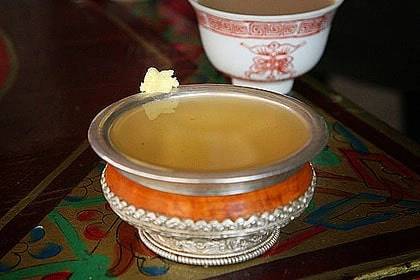
Made using simple local ingredients, Chang reflects the resourcefulness of the people living in one of the world’s most challenging environments. Whether offered to guests as a welcome drink or shared during community events, Chang continues to play an important role in preserving Ladakh’s rich cultural heritage.
What is Chang?
Chang is a traditional fermented alcoholic beverage primarily made from barley, although wheat or millet may also be used in some regions. It has a light golden or cloudy appearance with a mildly sweet, earthy, and slightly sour flavor. The alcohol content is generally low, making it a gentle and refreshing traditional brew.

 6°C
6°C
- Temperature
- Rain Chance
- Wind


Unlike commercially produced beers, Chang is naturally fermented using traditional starter cultures passed down through generations. The drink is often served at room temperature or slightly warm, especially during Ladakh’s harsh winters.
Beyond its taste, Chang carries significant cultural importance. It is commonly served to guests as a gesture of respect and hospitality. During festivals such as Losar (the Tibetan New Year), Chang is shared among families and communities to celebrate prosperity, happiness, and togetherness.
Origin and History
Chang has a long history across the Himalayan region, including Ladakh, Tibet, Nepal, Bhutan, and parts of Himachal Pradesh and Sikkim. In Ladakh, barley has been cultivated for thousands of years because it thrives in the region’s short growing season and extreme climate.
As agriculture developed, local communities discovered that fermenting barley created a nutritious and warming beverage suitable for life in the mountains. Over time, Chang became closely associated with religious ceremonies, harvest festivals, weddings, and important family occasions.
Monasteries and villages also embraced Chang as part of their social traditions. While recipes may vary slightly from one household to another, the traditional brewing methods have remained largely unchanged for generations.
Today, Chang continues to represent Ladakh’s agricultural heritage and communal spirit, connecting modern generations with ancient customs.
Ingredients
Chang is prepared using only a few natural ingredients, making it a simple yet flavorful traditional beverage.
Main Ingredients
- Barley (most commonly used)
- Water
- Traditional fermentation starter (local yeast culture)
- Occasionally wheat or millet as an alternative grain
Some families may use spring water from nearby mountain sources, which many believe enhances the drink’s flavor.
How It Is Prepared
The preparation of Chang is based on a traditional fermentation process that requires patience rather than complicated techniques.
Step 1: Cooking the Grain
Barley is cleaned thoroughly and boiled or steamed until soft.
Step 2: Cooling
The cooked grain is spread out and allowed to cool completely.
Step 3: Fermentation
A traditional fermentation starter is mixed into the cooled barley. The mixture is then stored in covered containers for several days, allowing natural fermentation to occur.
Step 4: Brewing
Once fermentation is complete, hot or warm water is poured over the fermented grain. The liquid gradually absorbs the flavors and mild alcohol produced during fermentation.
Step 5: Serving
The drink is strained and served fresh. In many homes, additional warm water can be added to the same fermented grains several times, producing multiple batches with progressively lighter flavors.
Variations
Although the basic preparation remains similar, Chang has several regional and household variations.
Traditional Ladakhi Chang
Made almost exclusively with locally grown barley and served during festivals, family celebrations, and religious ceremonies.
Wheat Chang
Some communities substitute wheat for barley, creating a smoother and slightly sweeter flavor.
Millet Chang
In certain Himalayan regions, millet is used instead of barley, producing a stronger earthy taste.
Modern Homemade Versions
Some families experiment with improved fermentation methods or cleaner brewing equipment while preserving the authentic flavor and traditional recipe.
Why You Should Try Chang
Chang offers much more than a unique taste—it provides a glimpse into Ladakh’s centuries-old traditions and mountain lifestyle.
Authentic Cultural Experience
Drinking Chang allows visitors to participate in one of Ladakh’s oldest hospitality customs.
Unique Flavor
Its gentle sweetness, mild sourness, and grainy aroma create a taste unlike commercial beer or wine.
Locally Produced
Chang is made using locally grown grains, supporting traditional farming and sustainable food practices.
Rich Heritage
Every cup tells the story of Ladakh’s resilient communities, agricultural traditions, and close-knit village life.
Perfect for Cold Weather
Traditionally served slightly warm, Chang is especially comforting during Ladakh’s chilly evenings.
Where to Try It
Visitors interested in experiencing authentic Chang should explore traditional villages and local cultural events throughout Ladakh.
Popular places include:
- Leh – Traditional Ladakhi restaurants, cultural centers, and local festivals often serve Chang.
- Nubra Valley – Homestays frequently offer homemade Chang to guests.
- Sham Valley – Village households preserve traditional brewing methods.
- Hemis Festival – Cultural celebrations sometimes feature traditional local beverages.
- Local Homestays – Many family-run accommodations introduce visitors to homemade Chang as part of the Ladakhi hospitality experience.
Because Chang is traditionally home-brewed, it is more commonly found in villages and family homes than in commercial restaurants.
FAQs
Is Chang alcoholic?
Yes. Chang is a mildly alcoholic fermented beverage. Its alcohol content is generally much lower than that of commercial beer or wine.
What does Chang taste like?
Chang has a slightly sweet, mildly sour, earthy flavor with subtle grain notes and a refreshing finish.
What grain is used to make Chang?
Barley is the most common ingredient, although wheat and millet may also be used in some regions.
Is Chang served hot or cold?
Chang is traditionally served at room temperature or slightly warm, especially during winter.
Can tourists try Chang in Ladakh?
Yes. Visitors can often enjoy Chang at local homestays, village celebrations, cultural festivals, and some traditional Ladakhi restaurants.
Is Chang similar to beer?
While both are fermented grain beverages, Chang is naturally fermented using traditional methods and has a milder alcohol content and more rustic flavor than most commercial beers.
Conclusion
Chang is far more than a traditional alcoholic beverage—it is a cherished symbol of Ladakh’s culture, hospitality, and agricultural heritage. Brewed from locally grown barley using time-honored fermentation techniques, it has brought families and communities together for generations.
For travelers seeking an authentic Himalayan experience, tasting Chang offers a deeper appreciation of Ladakh’s traditions, resilient mountain lifestyle, and warm local hospitality. Whether enjoyed during a vibrant festival or shared in a quiet village home, Chang remains one of the region’s most memorable culinary traditions.