

Introduction
Yak Milk is one of the most important traditional dairy products of high-altitude Himalayan communities. Produced from the milk of the hardy Yak, it has been a dietary cornerstone in regions like Ladakh, Tibet, Nepal, and Bhutan for centuries. Known for its rich texture, high nutritional value, and cultural importance, yak milk is more than just food—it is a lifeline in extreme mountain environments.
In recent years, yak milk has gained global attention as a “superfood” due to its dense nutrients and unique flavor profile. From butter tea to artisanal cheeses, it continues to play a vital role in Himalayan cuisine and heritage.
What is Yak Milk?
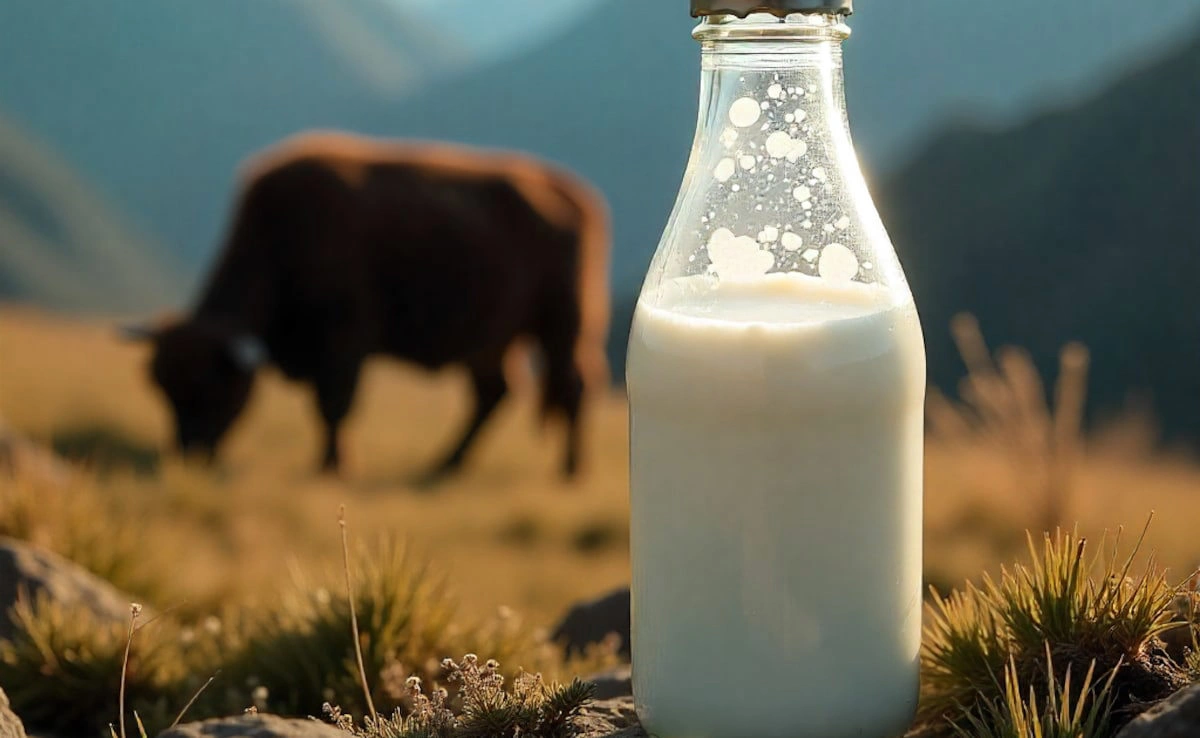
Yak milk is the natural milk produced by female yaks living in cold, high-altitude regions. It is thicker, creamier, and more nutrient-dense than regular cow’s milk due to the animal’s adaptation to harsh environments.

 6°C
6°C
- Temperature
- Rain Chance
- Wind


Taste and Characteristics
Yak milk has a slightly sweet, earthy, and rich flavor. It is creamier than cow or goat milk and has a higher fat content, making it ideal for butter, cheese, and fermented products. Its natural richness also gives it a slightly yellowish tint.
Cultural Significance
For Himalayan communities, yak milk is not just nourishment—it is tradition. It is used in daily diets, religious rituals, and festive foods. It also supports livelihoods, as yak herding remains an essential part of mountain economies.
Origin and History
Yak milk has been consumed for thousands of years in the Himalayan and Central Asian regions. Early Tibetan and nomadic communities domesticated yaks as a primary source of milk, meat, fiber, and transport.
In Ladakh and Tibet, yak milk became essential due to the lack of agricultural farming possibilities at high altitudes. Over time, it evolved into various traditional products like butter tea (gur gur cha), yak cheese, and fermented milk drinks.
Its history is deeply tied to survival in some of the world’s harshest climates, making it a symbol of resilience and adaptation.
Ingredients
While yak milk itself is a natural product, its derivatives often include simple, traditional ingredients:
Main Ingredients:
- Fresh yak milk (raw or boiled)
- Salt (for butter or cheese preparation)
- Natural fermenting agents (for yogurt or curd)
- Herbal infusions (in some regional recipes)
No artificial additives are traditionally used, keeping it pure and organic.
How It Is Prepared
The preparation of yak milk-based products varies depending on the final use:
Step-by-Step Process:
- Milking the Yak: Fresh milk is collected from female yaks in early morning or evening.
- Boiling: The milk is often boiled to ensure safety and extend shelf life.
- Churning: For butter, the milk or cream is churned manually until it separates.
- Fermentation: In some regions, yak milk is naturally fermented to create yogurt or sour milk.
- Processing: The milk is used to make butter, cheese, or consumed directly as a warm beverage.
Traditional methods rely heavily on manual labor and natural conditions.
Variations
Yak milk is incredibly versatile and appears in several regional and modern forms:
Traditional Variants:
- Yak Butter: Used in butter tea and lamps in monasteries
- Yak Cheese (Chhurpi): Hard, chewy cheese popular in Himalayan diets
- Fermented Yak Milk: Slightly sour drink consumed for digestion
Modern Variants:
- Ice cream made from yak milk in tourist regions
- Gourmet cheeses in boutique dairy farms
- Packaged yak milk products for urban markets
These variations help bring traditional Himalayan flavors to global consumers.
Why You Should Try It
Yak milk offers a unique combination of nutrition, flavor, and cultural depth. It is richer in fat, protein, and essential minerals compared to regular milk, making it highly energizing—perfect for cold climates.
Its creamy texture and distinctive taste set it apart from conventional dairy. More importantly, consuming yak milk connects you to centuries-old Himalayan traditions and the lifestyle of mountain communities.
For travelers, trying yak milk products is a memorable cultural experience that reflects the authenticity of high-altitude living.
Where to Try It
Yak milk is primarily available in high-altitude Himalayan regions:
- Ladakh, India: Leh markets and local homestays
- Tibet: Traditional tea houses and monasteries
- Nepal (Himalayan regions): Namche Bazaar and remote villages
- Bhutan: Rural dairy farms and local markets
In urban areas, specialty Himalayan restaurants and Tibetan cafés may also serve yak milk tea, butter tea, or cheese-based dishes.
FAQs
1. Is yak milk safe to drink raw?
It is usually boiled before consumption to ensure safety and improve shelf life.
2. How does yak milk taste compared to cow milk?
It is richer, creamier, and slightly sweeter with a more earthy flavor.
3. Is yak milk healthy?
Yes, it is high in protein, fat, calcium, and essential nutrients, making it highly nutritious.
4. Can yak milk be used for lactose-intolerant people?
Some people find it easier to digest, but it still contains lactose.
5. What products are made from yak milk?
Common products include butter, cheese (chhurpi), yogurt, and traditional butter tea.
6. Why is yak milk expensive in cities?
Limited production, difficult harvesting conditions, and transportation from remote regions increase its cost.
Conclusion
Yak Milk is more than just a traditional beverage—it is a symbol of Himalayan resilience, culture, and nutrition. Derived from the hardy Yak, it has sustained mountain communities for generations.
With its rich flavor, impressive nutritional profile, and deep cultural roots, yak milk remains one of the most fascinating dairy products in the world. Whether enjoyed as butter tea in Ladakh or as artisanal cheese in Tibet, it offers a true taste of the Himalayas worth experiencing at least once in a lifetime.