

Introduction
Kulcha (Ladakhi Style) is a simple yet deeply cultural flatbread found in the Himalayan region of India, especially influenced by the food traditions of Ladakh. Known for its soft texture, slightly chewy bite, and comforting flavor, this bread is a staple in many households and local eateries. While kulcha is widely associated with North Indian cuisine, the Ladakhi adaptation has its own rustic identity shaped by high-altitude living and limited agricultural resources.
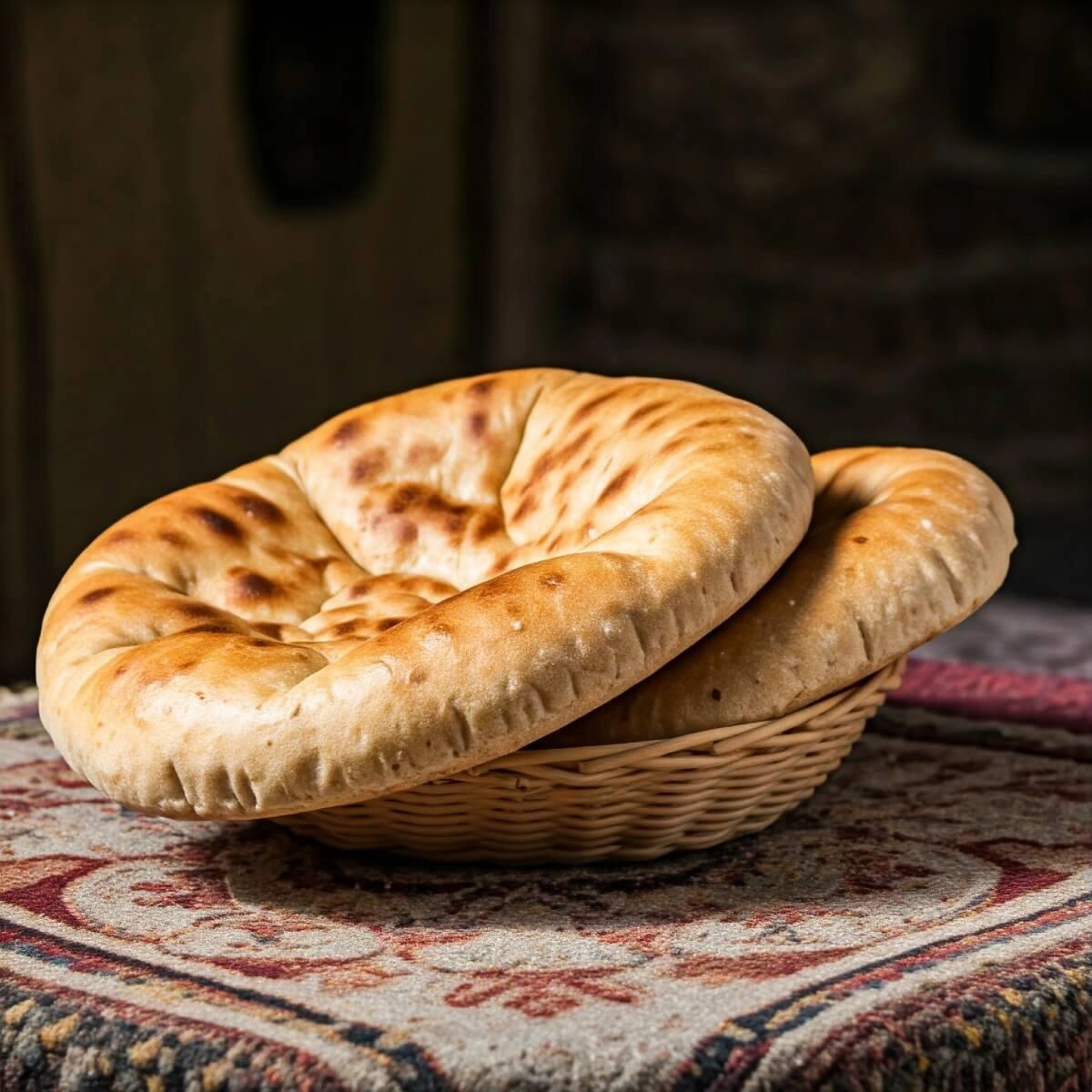
In Ladakh, food is not just nourishment—it is survival, tradition, and heritage. Kulcha (Ladakhi Style) reflects this perfectly, offering warmth and energy in the cold mountain climate.
What is Kulcha (Ladakhi Style)?
Kulcha (Ladakhi Style) is a type of leavened flatbread made primarily from wheat flour, water, yeast or natural fermentation agents, and a small amount of salt. Unlike the richer stuffed kulchas found in Punjabi cuisine, the Ladakhi version is simpler, lighter, and often baked in traditional ovens or tandoor-like clay setups.

 6°C
6°C
- Temperature
- Rain Chance
- Wind


It has a soft interior with a slightly crisp outer layer, making it ideal to pair with butter tea, vegetable stews, or lentil-based dishes.
Culturally, it represents the adaptation of Indian bread-making techniques to the harsh Himalayan environment, where ingredients are minimal but nourishment must be high.
Origin and History
The origin of Kulcha (Ladakhi Style) is closely tied to the broader culinary traditions of North India and Tibet. Ladakh, positioned along ancient trade routes between India, Tibet, and Central Asia, has absorbed food influences from all directions.
While kulcha itself is believed to have Punjabi and Kashmiri roots, its Ladakhi adaptation evolved as locals modified the recipe based on altitude, climate, and available ingredients. Wheat cultivation in Ladakh is limited, so traditional bread recipes were adjusted for efficiency and preservation.
Over time, Ladakhi households developed their own rustic version—less oily, mildly fermented, and often eaten fresh with local accompaniments like butter tea or vegetable soups.
Ingredients
The ingredients used in Kulcha (Ladakhi Style) are simple and accessible:
- Wheat flour (main ingredient)
- Water
- Salt
- Yeast or natural fermentation starter (sometimes yogurt-based)
- A small amount of oil or butter (optional)
- Milk (occasionally used for softness)
These basic ingredients reflect the minimal yet practical cooking style of Ladakh, where preservation and nutrition matter more than complexity.
How It Is Prepared
The preparation of Kulcha (Ladakhi Style) is straightforward but requires patience for fermentation:
- Dough Preparation: Wheat flour is mixed with salt, water, and a fermenting agent such as yeast or yogurt.
- Kneading: The dough is kneaded until soft and elastic.
- Resting: It is left to ferment for several hours, allowing it to rise naturally.
- Shaping: Small portions are shaped into round discs.
- Cooking: Traditionally, the kulchas are baked in clay ovens or cooked on hot griddles until they puff up and develop light golden spots.
The result is a soft, warm bread that is both filling and comforting.
Variations
Kulcha (Ladakhi Style) has several variations depending on household traditions and modern influence:
- Plain Kulcha: The simplest form, served with tea or stew.
- Buttered Kulcha: Lightly brushed with butter for extra richness.
- Stuffed Kulcha (modern adaptation): Filled with potatoes or greens, inspired by Punjabi cuisine.
- Whole Wheat Rustic Kulcha: A healthier version using coarse flour.
- Pan-cooked Kulcha: Made without a traditional oven, commonly found in modern kitchens.
Each variation reflects how Ladakhi cuisine continues to evolve while maintaining its roots.
Why You Should Try It
Kulcha (Ladakhi Style) is more than just bread—it is a reflection of Himalayan life. Here’s why it deserves a place on your food bucket list:
- Simple yet satisfying flavor that pairs well with many dishes
- Soft, comforting texture ideal for cold climates
- Cultural authenticity rooted in Ladakh’s food traditions
- Nutritious and filling, perfect for energy in high-altitude regions
- Versatile pairing with soups, teas, and curries
Its understated taste is exactly what makes it special—no heavy spices, just pure comfort food.
Where to Try It
Kulcha (Ladakhi Style) is commonly found across Ladakh, especially in local homes and traditional eateries in:
- Leh town bakeries and small cafés
- Family-run homestays in villages like Stok and Shey
- Local restaurants serving Ladakhi cuisine
- Roadside tea stalls offering fresh bread with butter tea
Unlike commercial foods, the best experience often comes from homestays, where the bread is freshly made and served warm with traditional accompaniments.
FAQs
1. Is Kulcha (Ladakhi Style) the same as Punjabi kulcha?
No. While both are flatbreads, Ladakhi kulcha is simpler, less rich, and not usually stuffed or heavily seasoned.
2. What is Kulcha (Ladakhi Style) eaten with?
It is commonly eaten with butter tea, vegetable stews, lentils, or simple local curries.
3. Is it healthy?
Yes, it is made from basic wheat flour and has low oil content, making it a relatively healthy bread option.
4. Can it be made without a tandoor?
Yes. Modern versions are often cooked on stovetops or ovens.
5. Is fermentation necessary?
Traditional recipes often use fermentation for softness, but quick versions can be made without it.
6. Why is it popular in Ladakh?
It is filling, easy to make, and provides energy needed for cold, high-altitude living conditions.
Conclusion
Kulcha (Ladakhi Style) is a humble yet meaningful part of Himalayan cuisine. It represents the simplicity and resilience of Ladakhi food culture, where every ingredient serves a purpose. Soft, warm, and versatile, it continues to be a staple in households across the region.
Whether enjoyed with butter tea in a remote village or at a local café in Leh, Kulcha (Ladakhi Style) offers a comforting taste of Ladakh’s heritage. For travelers and food lovers alike, it is a must-try experience that connects flavor with culture in the most authentic way.