

Introduction
Barley Bread is one of the oldest types of bread in the world, enjoyed for thousands of years across Europe, the Middle East, North Africa, and parts of Asia. Made primarily from barley flour, this rustic bread has a hearty texture, mild nutty flavor, and impressive nutritional value. While modern wheat bread dominates many tables today, barley bread remains a cherished staple in traditional cuisines and has gained renewed popularity among health-conscious eaters seeking wholesome grains.
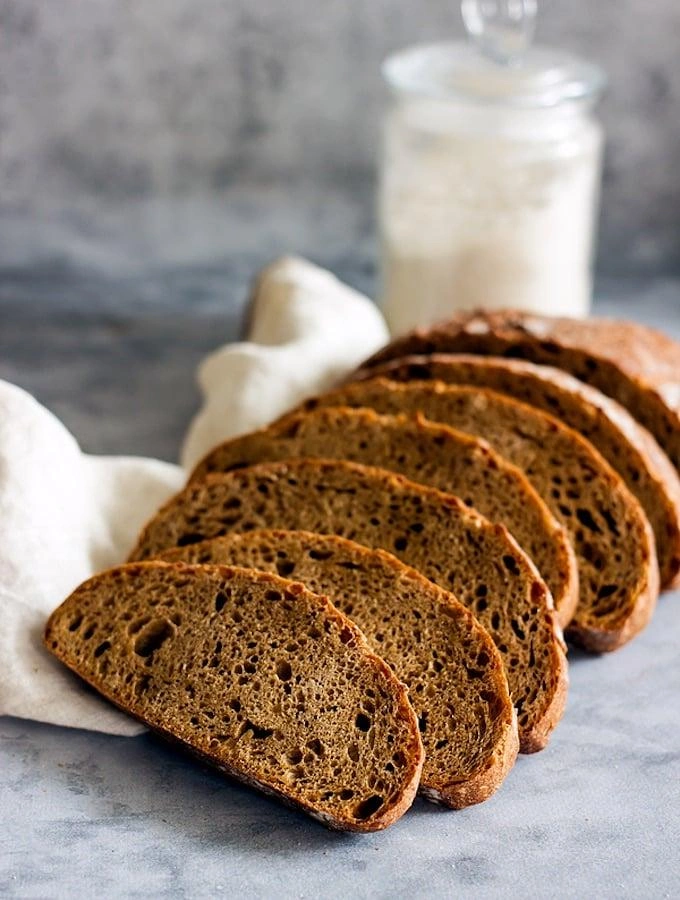
Whether served alongside soups, stews, or enjoyed with butter and cheese, barley bread offers a delicious glimpse into ancient culinary traditions.
What is Barley Bread?
Barley Bread is a bread made using barley flour, either entirely or blended with wheat flour to improve texture and rise. Since barley contains less gluten than wheat, loaves made solely from barley flour tend to be denser and more compact.

 6°C
6°C
- Temperature
- Rain Chance
- Wind


The bread has a slightly earthy, nutty taste with a soft yet hearty crumb. Depending on the recipe, it may be leavened with yeast or baked as a flatbread. In many cultures, barley bread symbolizes simplicity, resilience, and traditional farming practices, as barley thrives in colder and drier climates where wheat is more difficult to grow.
Today, barley bread is appreciated not only for its rich history but also for its high fiber content, vitamins, minerals, and antioxidants.
Origin and History
Barley is among the earliest cultivated grains, dating back more than 10,000 years to the Fertile Crescent. Ancient civilizations including the Egyptians, Greeks, Romans, and Mesopotamians relied heavily on barley as a staple crop.
Before refined wheat became widely available, barley bread was everyday food for farmers, laborers, and rural communities. It was valued for its ability to grow in challenging environments and provide reliable nourishment.
Throughout history, barley bread spread across Europe, Scandinavia, Tibet, the Himalayan region, North Africa, and the Middle East. Different regions adapted recipes according to local ingredients, creating unique variations that continue to be enjoyed today.
With the rise of whole-grain diets and interest in ancient grains, barley bread has experienced a revival in modern bakeries and home kitchens.
Ingredients
The ingredients for Barley Bread are simple yet nutritious.
Main Ingredients
- Barley flour
- Wheat flour (optional for a lighter texture)
- Warm water
- Yeast or sourdough starter
- Salt
- Olive oil or butter (optional)
- Honey or molasses (optional for mild sweetness)
Some recipes also include seeds such as flax, sunflower, sesame, or pumpkin seeds to enhance flavor and nutrition.
How It Is Prepared
Preparing Barley Bread requires a few straightforward steps.
1. Mix the Ingredients
Barley flour is combined with wheat flour if desired. Salt, yeast, and water are added to form a dough.
2. Knead the Dough
The dough is kneaded until smooth. Since barley has limited gluten, it remains softer and less elastic than traditional wheat dough.
3. Allow It to Rise
The dough is left to rise until nearly doubled in size, allowing the yeast to develop flavor and texture.
4. Shape the Bread
The risen dough is shaped into a loaf or flattened into rounds depending on the style being prepared.
5. Bake
The bread is baked until golden brown with a crisp crust and tender interior. Flatbread versions cook more quickly on a hot griddle or baking stone.
After cooling slightly, the bread is ready to serve with soups, curries, stews, spreads, or simply fresh butter.
Variations
Barley Bread has evolved into many regional and modern versions.
Traditional Barley Loaf
Made primarily with barley flour, this version is dense, rustic, and highly nutritious.
Mixed Grain Bread
A combination of barley, wheat, rye, or oat flour creates a softer loaf while maintaining barley’s distinctive flavor.
Sourdough Barley Bread
Natural fermentation adds complexity, improves digestibility, and gives the bread a pleasantly tangy taste.
Barley Flatbread
Popular in Himalayan, Middle Eastern, and Scandinavian cuisines, this thinner version pairs well with grilled meats, vegetables, and dips.
Seeded Barley Bread
Modern recipes often include flaxseed, chia seeds, sesame seeds, or sunflower seeds for extra crunch and nutrition.
Why You Should Try It
Barley Bread stands out for both its taste and health benefits.
Some reasons to try it include:
- Rich in dietary fiber, supporting healthy digestion.
- Contains important minerals including magnesium, selenium, and phosphorus.
- Offers a pleasant nutty flavor unlike standard white bread.
- Pairs well with both savory and sweet toppings.
- Represents centuries of culinary heritage and traditional farming.
- Often provides greater satiety than refined breads.
Its hearty texture makes it an excellent choice for sandwiches, breakfast toast, or as an accompaniment to soups and stews.
Where to Try It
Although barley bread is less common than wheat bread, it remains popular in several regions around the world.
You can find authentic Barley Bread in:
- Traditional villages throughout the Himalayan regions of India, Nepal, and Tibet.
- Scandinavian countries where barley has long been cultivated.
- Rural communities in Scotland and Ireland.
- Middle Eastern bakeries offering ancient grain breads.
- North African households and local markets.
- Artisan bakeries specializing in heritage grains and whole-grain baking.
- Farmers’ markets and organic food stores that feature freshly baked rustic loaves.
Many home bakers also prepare barley bread using whole-grain flour and sourdough starters for an authentic experience.
FAQs
Is Barley Bread healthier than white bread?
Yes. Barley Bread generally contains more fiber, vitamins, minerals, and antioxidants than refined white bread, making it a nutritious whole-grain option.
Can Barley Bread be made without wheat flour?
Yes. Pure barley bread can be made, although it is denser because barley contains less gluten than wheat.
Does Barley Bread taste different from wheat bread?
Yes. It has a mild nutty, earthy flavor and a heartier texture that many people enjoy.
Is Barley Bread suitable for vegetarians?
Yes. Most traditional recipes contain only plant-based ingredients, although some versions may include butter or milk.
What foods pair well with Barley Bread?
Barley Bread pairs beautifully with soups, stews, curries, cheese, butter, olive oil, smoked fish, roasted vegetables, and hearty spreads.
Conclusion
Barley Bread is much more than a simple loaf—it’s a connection to thousands of years of agricultural history and traditional cooking. Its wholesome ingredients, rich nutritional profile, and distinctive nutty flavor make it a satisfying alternative to conventional bread. Whether enjoyed fresh from an artisan bakery or baked at home, Barley Bread offers a delicious way to experience one of humanity’s oldest and most enduring staple foods. If you’re looking to explore ancient grains while enjoying a hearty and nourishing meal, Barley Bread is well worth adding to your table.