

Introduction
Nestled among the rugged mountains of Ladakh is a rich culinary tradition built around simple, nourishing ingredients. One of the region’s lesser-known yet comforting dishes is Kholak, a wholesome stew that reflects the resilience and resourcefulness of the people living in the high Himalayas. Made with locally available grains, vegetables, and meat, Kholak is especially popular during the region’s long, cold winters.
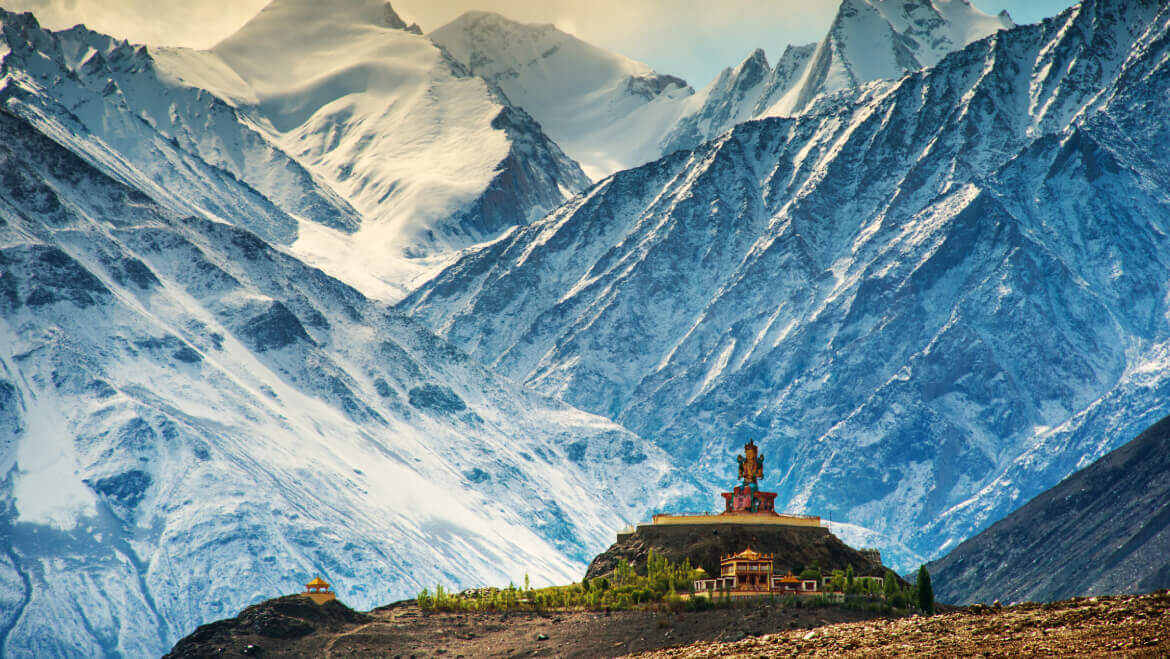
Unlike spicy curries found in many parts of India, Kholak focuses on natural flavors and hearty nutrition. It is a staple in many Ladakhi households and offers visitors an authentic taste of Himalayan cuisine.
What is Kholak?
Kholak is a traditional Ladakhi stew prepared with mutton or yak meat, barley flour or roasted barley, root vegetables, and mild seasonings. Designed to provide warmth and energy in Ladakh’s harsh climate, the dish is thick, filling, and rich in nutrients.

 6°C
6°C
- Temperature
- Rain Chance
- Wind


The stew has a mildly savory taste, with the meat contributing deep flavor while barley adds a creamy, slightly nutty texture. Vegetables such as potatoes, turnips, carrots, and radishes make the dish both wholesome and satisfying.
Kholak is more than just comfort food. It represents Ladakh’s agricultural heritage, where barley has been cultivated for centuries and serves as one of the region’s most important staple crops. Families often prepare the dish during winter gatherings, festivals, or after a long day of work in the mountains.
Origin and History
Kholak originates from the Himalayan region of Ladakh, where harsh winters, high altitudes, and limited farmland have shaped local cooking traditions.
For generations, Ladakhi communities have relied on hardy crops like barley and livestock such as sheep, goats, and yaks for survival. Kholak evolved as an economical way to combine these essential ingredients into one nourishing meal that could feed an entire family.
Historically, the dish was commonly prepared in rural villages where fresh produce was seasonal, and preserved ingredients played an important role. Since the recipe uses ingredients that are readily available throughout the year, it became a dependable everyday meal.
Today, Kholak remains a cherished part of Ladakhi cuisine, preserving the region’s culinary heritage while introducing visitors to authentic mountain flavors.
Ingredients
Although recipes may vary slightly from household to household, the traditional ingredients include:
- Mutton or yak meat
- Barley flour or roasted barley meal
- Potatoes
- Turnips
- Carrots
- Radishes
- Onions
- Garlic
- Ginger
- Salt
- Black pepper
- Mild local herbs
- Water or meat broth
- Butter or animal fat for richness
Some modern versions may also include spinach, cabbage, or locally grown leafy vegetables.
How It Is Prepared
Preparing Kholak is relatively simple, but the slow cooking process develops its rich flavor.
Step 1: Cook the Meat
Mutton or yak meat is simmered slowly until tender. This creates a flavorful broth that forms the base of the stew.
Step 2: Add Vegetables
Root vegetables like potatoes, carrots, turnips, and radishes are added to the broth and cooked until soft.
Step 3: Mix the Barley
Barley flour is blended with a little water to create a smooth paste before being gradually stirred into the simmering stew. This thickens the broth naturally.
Step 4: Season the Dish
Garlic, ginger, salt, pepper, and mild herbs are added. The stew continues cooking until all the flavors combine.
Step 5: Serve Hot
Kholak is served piping hot, often accompanied by traditional Ladakhi bread or enjoyed on its own as a complete meal.
Variations
Although traditional Kholak remains the most popular version, several variations can be found across Ladakh.
Vegetarian Kholak
Some households replace the meat with extra vegetables, mushrooms, or legumes while keeping the barley base intact.
Yak Meat Kholak
In higher-altitude villages where yaks are common, yak meat replaces mutton, giving the stew a richer and more robust flavor.
Modern Restaurant Version
Restaurants catering to tourists sometimes add more vegetables, herbs, or spices while maintaining the authentic cooking method.
Festival Kholak
During celebrations or family gatherings, extra meat and butter may be added to make the stew more luxurious.
Why You Should Try Kholak
Kholak offers an authentic taste of Ladakh’s mountain lifestyle.
Some reasons to try this unique dish include:
- Rich, comforting flavor perfect for cold weather
- High nutritional value from barley, vegetables, and meat
- Traditional Himalayan cooking methods
- Mild seasoning suitable for many palates
- Deep cultural significance in Ladakhi households
- A filling meal that reflects centuries of local food traditions
For travelers seeking genuine regional cuisine beyond popular tourist dishes, Kholak is an excellent choice.
Where to Try Kholak
The best place to enjoy authentic Kholak is in Ladakh, particularly in and around:
- Leh
- Nubra Valley
- Sham Valley
- Villages surrounding Hemis
- Homestays across rural Ladakh
Many traditional homestays prepare Kholak using family recipes that have been passed down through generations. During cultural festivals and winter events, visitors may also have the opportunity to sample freshly prepared versions of this classic stew.
Some local Ladakhi restaurants in Leh occasionally include Kholak or similar barley-based stews on their seasonal menus, especially during colder months.
FAQs
Is Kholak spicy?
No. Kholak is generally mildly seasoned, relying on the natural flavors of meat, barley, and vegetables rather than strong spices.
Is Kholak healthy?
Yes. It is rich in protein, dietary fiber, vitamins, and complex carbohydrates, making it a nutritious and balanced meal.
Can Kholak be made vegetarian?
Absolutely. Many families prepare vegetarian versions using vegetables, mushrooms, and barley without meat.
What grain is used in Kholak?
Traditional recipes use barley, which is one of Ladakh’s oldest and most important crops.
When is Kholak usually eaten?
Kholak is commonly enjoyed during winter, family gatherings, and everyday meals because it provides warmth and lasting energy.
Conclusion
Kholak is a wonderful example of Ladakh’s simple yet deeply satisfying cuisine. Combining tender meat, nutritious barley, fresh vegetables, and gentle seasoning, this traditional stew showcases the ingenuity of Himalayan cooking. Its comforting texture, wholesome ingredients, and strong cultural roots make it far more than just a meal—it is a reflection of Ladakh’s heritage and resilience.
Whether you’re exploring the mountains of Ladakh or simply discovering regional Indian cuisines, Kholak is a dish worth seeking out. Every bowl offers warmth, nourishment, and an authentic taste of life in the Himalayas.