

Introduction
Apricot Chutney is a delicious blend of sweet, tangy, and mildly spicy flavors that has long been cherished in the Himalayan regions of India. Made primarily from fresh or dried apricots, this versatile condiment pairs wonderfully with breads, rice dishes, grilled meats, cheeses, and snacks. Its vibrant taste and natural fruitiness make it a favorite accompaniment during both everyday meals and festive occasions.

In recent years, Apricot Chutney has gained popularity among food lovers worldwide due to the growing appreciation for regional Indian cuisine and fruit-based condiments. Whether served as a dip, spread, or side dish, this chutney offers a unique balance of flavors that elevates almost any meal.
What is Apricot Chutney?
Apricot Chutney is a fruit-based condiment prepared by simmering ripe apricots with sugar or jaggery, vinegar or lemon juice, aromatic spices, and herbs until thick and flavorful. Depending on the recipe, it may have a smooth consistency or retain small chunks of fruit for added texture.

 6°C
6°C
- Temperature
- Rain Chance
- Wind


The chutney combines the natural sweetness of apricots with warming spices such as cumin, cinnamon, ginger, cloves, and chili. This creates a rich, complex flavor profile that is simultaneously sweet, tart, mildly spicy, and fragrant.
In the Himalayan regions, especially in Ladakh, where apricots grow abundantly, Apricot Chutney is more than just a condiment. It reflects local agricultural traditions and the importance of preserving seasonal fruits for year-round enjoyment.
Origin and History
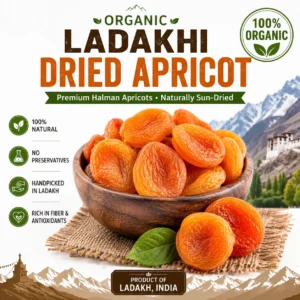
Apricot Chutney traces its roots to the cold desert regions of Ladakh and parts of Jammu & Kashmir, where apricot orchards flourish due to the dry climate and abundant sunshine. Apricots have been cultivated here for centuries and remain one of the region’s most valuable fruit crops.
Historically, families preserved surplus apricots by drying them or transforming them into jams, juices, and chutneys. This practice allowed communities to enjoy the fruit throughout the long winter months.
Over time, traditional recipes evolved by incorporating local herbs, spices, and natural sweeteners. Today, Apricot Chutney is enjoyed across India and has become popular internationally as consumers seek unique gourmet condiments inspired by regional cuisines.
Ingredients
Although recipes vary, the main ingredients of Apricot Chutney typically include:
- Fresh or dried apricots
- Sugar, honey, or jaggery
- Vinegar or lemon juice
- Fresh ginger
- Garlic (optional)
- Red chili flakes or green chilies
- Roasted cumin powder
- Cinnamon
- Cloves
- Black pepper
- Salt
- Fresh coriander or mint (optional)
Some modern recipes also include raisins, onions, mustard seeds, apples, or walnuts for additional texture and flavor.
How It Is Prepared
Preparing Apricot Chutney is relatively simple and requires only basic cooking techniques.
Step 1: Prepare the Apricots
Fresh apricots are washed, pitted, and chopped into small pieces. If dried apricots are used, they are soaked in warm water until soft.
Step 2: Cook the Ingredients
The apricots are placed in a saucepan with sugar or jaggery, vinegar or lemon juice, and a little water. Ginger, garlic, and spices are then added.
Step 3: Simmer
The mixture is gently simmered over low heat until the fruit softens and breaks down while the liquid thickens into a rich chutney.
Step 4: Cool and Store
After cooking, the chutney is cooled before being transferred into sterilized jars. It can be refrigerated for several weeks and often tastes even better after the flavors have had time to develop.
Variations
Apricot Chutney comes in many regional and modern versions.
Traditional Ladakhi Apricot Chutney
Prepared with locally grown apricots, simple spices, and minimal sweetness to preserve the fruit’s natural flavor.
Sweet Apricot Chutney
Contains extra sugar or honey, making it an excellent accompaniment for cheese boards and roasted meats.
Spicy Apricot Chutney
Includes generous amounts of chili, ginger, and black pepper for those who enjoy bold flavors.
Mint Apricot Chutney
Fresh mint and coriander create a refreshing version that pairs well with grilled vegetables and kebabs.
Gourmet Fusion Versions
Modern chefs sometimes enhance Apricot Chutney with balsamic vinegar, rosemary, star anise, dried cranberries, or toasted nuts for contemporary dishes.
Why You Should Try It
Apricot Chutney offers far more than sweetness.
Its delightful combination of fruity, tangy, and spicy notes makes it one of the most versatile condiments in Indian cuisine. It complements grilled chicken, roasted lamb, sandwiches, wraps, samosas, pakoras, rice dishes, cheese platters, and even breakfast toast.
Apricots are naturally rich in vitamins A and C, dietary fiber, and antioxidants, making the chutney a flavorful way to enjoy this nutritious fruit when consumed in moderation.
Most importantly, trying Apricot Chutney provides a taste of Ladakh’s rich culinary heritage. Every spoonful reflects generations of food preservation techniques and the region’s deep connection to its orchards.
Where to Try It
If you would like to experience authentic Apricot Chutney, consider visiting these destinations:
- Leh, Ladakh, where many cafés and local restaurants serve homemade versions.
- Villages throughout the Sham Valley, known for their extensive apricot orchards.
- Local food festivals held during the apricot harvest season in Ladakh.
- Farm stays and homestays in Himalayan villages that prepare traditional regional meals.
- Specialty Himalayan food stores and gourmet markets across India often sell bottled Apricot Chutney made from locally grown fruit.
FAQs
Is Apricot Chutney spicy?
Most versions are mildly spicy, although the heat level depends on the amount of chili used in the recipe.
Can dried apricots be used?
Yes. Dried apricots are commonly used, especially when fresh fruit is out of season.
How long does Apricot Chutney last?
When stored in sterilized jars and refrigerated, it typically lasts several weeks. Properly preserved versions may last even longer.
What foods pair well with Apricot Chutney?
It pairs wonderfully with grilled meats, cheese, naan, sandwiches, crackers, curries, roasted vegetables, and rice dishes.
Is Apricot Chutney vegetarian?
Yes. Most traditional recipes are completely vegetarian, and many are naturally vegan when prepared without honey.
Can I make Apricot Chutney at home?
Absolutely. Homemade Apricot Chutney requires only a handful of ingredients and can easily be prepared in under an hour.
Conclusion
Apricot Chutney is a vibrant condiment that perfectly captures the flavors of the Himalayas. Its irresistible blend of sweet apricots, aromatic spices, and tangy acidity makes it an excellent companion for countless dishes. Rooted in Ladakhi culinary traditions and crafted from one of the region’s most treasured fruits, this chutney is both a delicious preserve and a reflection of local heritage.
Whether you’re exploring Himalayan cuisine, looking for a unique homemade condiment, or simply searching for new flavors to enjoy, Apricot Chutney is a must-try. Its versatility, rich history, and unforgettable taste ensure it will remain a favorite on dining tables around the world.