

Introduction
Dry Apricots are one of the world’s most beloved dried fruits, prized for their naturally sweet flavor, chewy texture, and impressive nutritional value. Produced by removing moisture from ripe apricots, they can be enjoyed year-round and are commonly eaten as a healthy snack or used in both sweet and savory dishes.

From the mountain regions of Central Asia to the orchards of Turkey and the Himalayas, dry apricots have been an essential part of local diets for centuries. They are especially popular in places like Ladakh, where fresh fruit is available only during a short growing season, making dried fruits an important source of nutrition during long winters.
What is Dry Apricots?
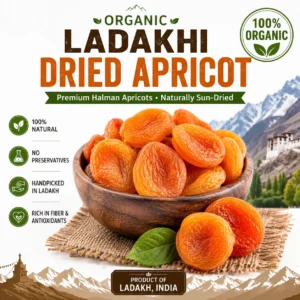
Dry Apricots are fresh apricots that have been naturally sun-dried or dehydrated until most of their moisture is removed. This process preserves the fruit while concentrating its natural sugars, giving it a rich sweetness and pleasantly chewy texture.

 6°C
6°C
- Temperature
- Rain Chance
- Wind


The fruit retains many of its nutrients, including dietary fiber, potassium, iron, and vitamins A and E. Unsulfured dry apricots usually have a deep brown color, while commercially dried apricots treated with sulfur dioxide remain bright orange.
Beyond being a convenient snack, dry apricots hold cultural significance in many mountain communities. In regions like Ladakh, they are traditionally shared with guests, used in festive recipes, and valued as an important winter food.
Origin and History
Apricots are believed to have originated in Central Asia and western China thousands of years ago before spreading along the ancient Silk Road to Persia, the Middle East, and Europe.
Drying apricots became a practical preservation method in regions with abundant sunshine and harsh winters. The technique allowed communities to store fruit for months without refrigeration while retaining much of its nutritional value.
Today, countries such as Turkey, Uzbekistan, Iran, and India are major producers of dry apricots. In India’s Ladakh region, locally grown apricots are carefully sun-dried and have become one of the area’s signature agricultural products, supporting local farmers and attracting visitors seeking authentic Himalayan produce.
Ingredients
One of the best aspects of Dry Apricots is their simplicity.
Main Ingredients
- Fresh ripe apricots
- Sunshine or controlled heat for drying
Optional ingredients for commercial production may include:
- Sulfur dioxide (to preserve the bright orange color)
- Natural preservatives (occasionally)
Traditional homemade dry apricots generally contain nothing except fresh fruit.
How It Is Prepared
Preparing Dry Apricots is a straightforward process that has changed very little over the centuries.
Step 1: Harvesting
Fully ripe apricots are carefully picked during the harvest season.
Step 2: Washing and Cutting
The fruits are washed thoroughly, cut in half, and the pits are removed.
Step 3: Drying
The halves are laid out under direct sunlight for several days or dried in commercial dehydrators. During this stage, moisture gradually evaporates while natural sugars become more concentrated.
Step 4: Cooling and Storage
Once dried, the apricots are cooled before being packed in airtight containers to maintain freshness.
Properly stored dry apricots can last for several months without losing much of their flavor.
Variations
Different regions prepare Dry Apricots in unique ways.
Sun-Dried Apricots
Naturally dried under the sun, these have a darker brown color and rich caramel-like sweetness.
Sulfur-Treated Apricots
These remain bright orange and softer due to treatment with sulfur dioxide, which helps preserve color.
Organic Dry Apricots
Made without preservatives, organic versions offer a more natural appearance and flavor.
Himalayan Dry Apricots
Ladakh produces premium-quality apricots that develop an intense sweetness thanks to the region’s sunny days and cool nights.
Chocolate-Coated Dry Apricots
A modern variation featuring dried apricots dipped in dark or milk chocolate for a gourmet treat.
Why You Should Try It
There are many reasons why Dry Apricots deserve a place in your diet.
Naturally Sweet
They satisfy sweet cravings without added refined sugar when unsweetened.
Rich in Nutrients
Dry apricots provide fiber, potassium, antioxidants, iron, and vitamin A, making them a wholesome snack.
Convenient
Their long shelf life makes them ideal for travel, hiking, lunchboxes, and emergency food supplies.
Versatile
They can be eaten on their own or added to cereals, salads, yogurt, desserts, rice dishes, and baked goods.
Cultural Heritage
Trying dry apricots, especially those from Ladakh, offers a taste of traditional Himalayan food culture and sustainable farming practices.
Where to Try It
If you want to enjoy authentic Dry Apricots, consider these destinations:
Ladakh, India
The villages around Leh and nearby valleys produce some of India’s finest naturally dried apricots. Local markets and farm cooperatives sell fresh seasonal products.
Turkey
Turkey is the world’s leading producer of dried apricots, with Malatya being internationally famous for premium-quality fruit.
Central Asia
Countries such as Uzbekistan and Kazakhstan offer traditional sun-dried apricots in bustling local bazaars.
Specialty Stores
Organic food stores, farmers’ markets, and gourmet shops around the world often stock premium dry apricots sourced from renowned growing regions.
FAQs
Are Dry Apricots healthy?
Yes. They are rich in fiber, potassium, antioxidants, iron, and vitamin A while being naturally sweet.
Can Dry Apricots be eaten every day?
Yes, when consumed in moderation. They make a nutritious snack but are calorie-dense because their sugars are concentrated during drying.
Why are some Dry Apricots brown while others are orange?
Brown apricots are usually naturally dried without preservatives, while bright orange ones are often treated with sulfur dioxide to preserve their color.
How should Dry Apricots be stored?
Store them in an airtight container in a cool, dry place. Refrigeration helps extend freshness after opening.
Are Dry Apricots suitable for vegetarians and vegans?
Yes. Traditional dry apricots contain only fruit and are suitable for both vegetarian and vegan diets.
Conclusion
Dry Apricots are far more than a simple dried fruit. They represent centuries of food preservation, agricultural tradition, and natural nutrition. Their sweet flavor, chewy texture, and versatility make them a favorite snack across the globe, while regions like Ladakh continue to showcase some of the finest naturally dried apricots available.
Whether enjoyed straight from the bag, added to recipes, or sampled during a visit to Himalayan orchards, Dry Apricots offer a delicious combination of taste, history, and health benefits that make them well worth trying.