

Introduction
Paba is one of the oldest and most nourishing traditional foods of Ladakh. Prepared using roasted barley flour and served with hearty vegetable or meat stews, this wholesome dish has sustained generations of people living in the harsh Himalayan climate. Rich in nutrients and deeply rooted in Ladakhi culture, Paba represents simplicity, resilience, and the region’s close connection to its agricultural traditions.
Today, travelers seeking authentic Ladakhi cuisine often include Paba on their culinary bucket list. Its earthy flavor, satisfying texture, and cultural importance make it much more than just a meal—it is a taste of Ladakh’s heritage.
What is Paba?
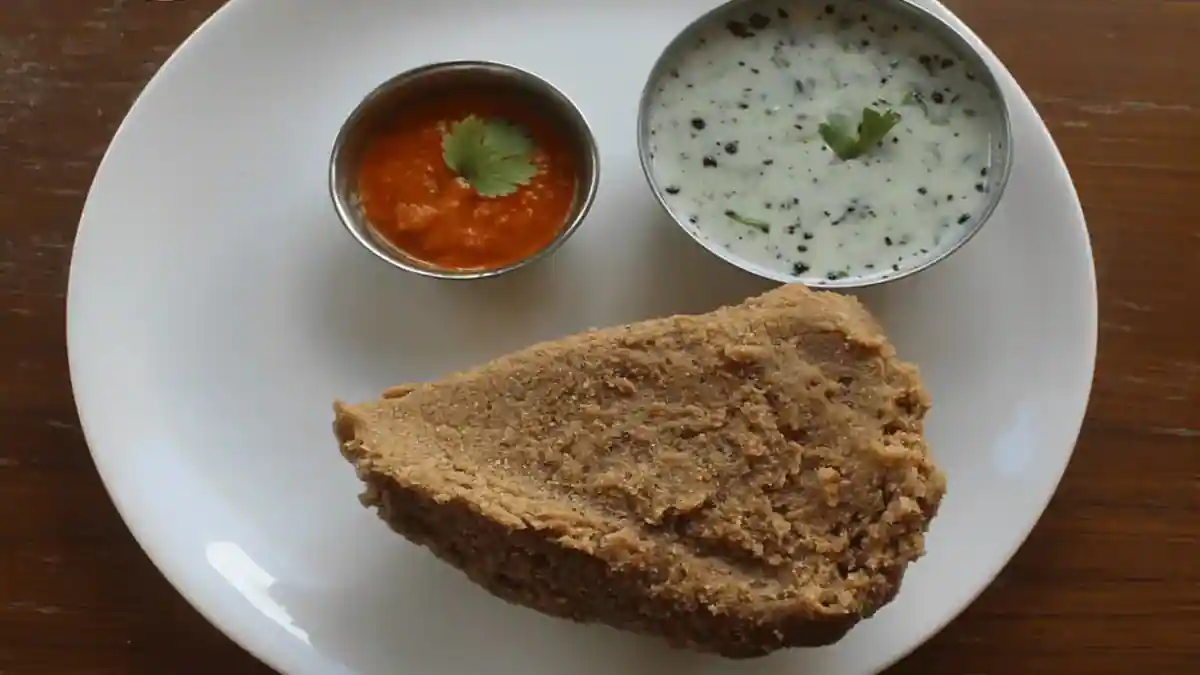
Paba is a traditional Ladakhi staple made primarily from roasted barley flour, which is mixed with hot water until it forms a soft, dough-like consistency. Unlike bread or porridge, Paba has a dense yet smooth texture that is usually eaten by hand or with a spoon.

 8°C
8°C
- Temperature
- Rain Chance
- Wind

The dish has a mildly nutty, earthy flavor thanks to the roasted barley. It is commonly paired with vegetable curries, yak meat stew, lentils, or locally made butter. Because barley grows well in Ladakh’s high-altitude environment, Paba has been an essential source of nutrition for centuries.
In Ladakhi households, Paba is more than everyday food. It symbolizes hospitality, self-sufficiency, and the importance of locally grown ingredients. It is often served during family gatherings, traditional celebrations, and community meals.
Origin and History
Paba originates from the high-altitude region of Ladakh in northern India, where agriculture is limited by cold temperatures and short growing seasons. Among the few crops that thrive in this environment, barley has always been the most dependable.
For hundreds of years, Ladakhi farmers have roasted barley after harvest to extend its shelf life and improve its flavor. Grinding the roasted grains into flour created a versatile ingredient that could be quickly prepared into nutritious meals like Paba.
The dish evolved as a practical solution for people living in remote Himalayan villages. It required minimal cooking, provided lasting energy, and used ingredients readily available in local communities. Even today, despite the popularity of modern foods, Paba remains an important part of Ladakh’s culinary identity.
Ingredients
One of the reasons Paba remains popular is its simplicity. Only a handful of ingredients are needed to prepare this traditional dish.
Main Ingredients
- Roasted barley flour
- Hot water
- Salt (optional)
- Butter or yak butter (optional)
- Vegetable stew, lentil curry, or meat stew for serving
Some modern versions also include wheat flour or millet flour, although traditional recipes rely almost entirely on roasted barley.
How It Is Prepared
Preparing Paba is straightforward, making it an ideal meal in Ladakh’s mountain villages.
First, barley grains are roasted until they develop a rich aroma. The roasted grains are then ground into a fine flour.
The flour is gradually mixed with hot water while continuously stirring to prevent lumps from forming. As the mixture thickens, it becomes soft, smooth, and slightly elastic. Some families add a small amount of butter or salt for additional richness.
Once ready, Paba is shaped into portions and served warm alongside vegetable curries, local greens, yak meat, mutton stew, or lentils. Many people also enjoy it with butter tea, creating a filling and nutritious meal.
Variations
Although the traditional recipe remains the most popular, several regional and modern variations exist.
Traditional Paba
Prepared entirely with roasted barley flour and served with vegetable or meat stew.
Butter Paba
Fresh butter or yak butter is mixed into the dough, creating a richer and creamier texture.
Mixed Grain Paba
Some households combine roasted barley with wheat or millet flour for a slightly different taste and texture.
Modern Healthy Version
Health-conscious cooks may pair Paba with sautéed vegetables, mushrooms, or organic greens while maintaining the traditional preparation method.
Why You Should Try Paba
Paba offers a unique culinary experience that reflects Ladakh’s culture and landscape.
One of its greatest attractions is its authentic Himalayan flavor. Unlike processed foods, Paba highlights the natural taste of roasted barley, making it wholesome and satisfying.
The dish is also highly nutritious. Barley is rich in dietary fiber, vitamins, minerals, and complex carbohydrates that provide long-lasting energy—perfect for high-altitude living.
Trying Paba also allows visitors to experience Ladakhi traditions firsthand. Every bite tells the story of local farming practices, sustainable living, and generations of culinary knowledge passed down through families.
If you’re interested in regional Indian cuisine beyond popular dishes, Paba offers a refreshing and memorable alternative.
Where to Try Paba
The best place to enjoy authentic Paba is in Ladakh, where local families and traditional restaurants prepare it using age-old recipes.
Popular places to try Paba include:
- Traditional restaurants in Leh
- Family-run homestays across Ladakh
- Local cafés specializing in Ladakhi cuisine
- Village guesthouses in Nubra Valley
- Cultural food festivals held during the tourist season
Many homestays offer homemade Paba served with locally grown vegetables, butter tea, and traditional stews, providing visitors with an authentic dining experience.
FAQs
Is Paba gluten-free?
No. Traditional Paba is made from barley, which naturally contains gluten.
What does Paba taste like?
Paba has a mild, nutty, roasted flavor with a soft, dense texture. Its taste becomes richer when paired with butter or hearty stews.
Is Paba healthy?
Yes. Paba is rich in fiber, complex carbohydrates, minerals, and plant-based nutrients, making it a wholesome traditional food.
Is Paba vegetarian?
The basic recipe is vegetarian. It is commonly served with vegetable curries, although it can also accompany meat dishes.
Can tourists easily find Paba in Ladakh?
Yes. Many traditional restaurants, homestays, and local cafés in Leh and surrounding villages serve Paba as part of authentic Ladakhi meals.
Conclusion
Paba is a timeless Ladakhi dish that perfectly represents the simplicity, resilience, and traditions of life in the Himalayas. Made from roasted barley flour and served with flavorful stews, it offers both nourishment and cultural significance.
Whether you’re exploring Ladakh’s breathtaking landscapes or discovering Himalayan cuisine, Paba is a must-try dish. Its rich history, wholesome ingredients, and authentic flavors provide a delicious glimpse into one of India’s most unique culinary traditions.