

Introduction
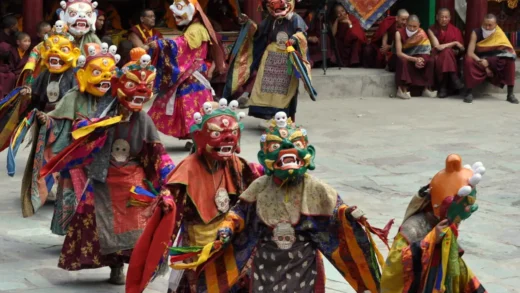
Ladakh, known for its stark mountains and rich cultural heritage, offers a cuisine that is simple yet deeply flavorful. Among its traditional dishes, Ladakhi Pulao stands out as a comforting and aromatic rice preparation that reflects the region’s unique blend of Tibetan, Central Asian, and Indian influences.
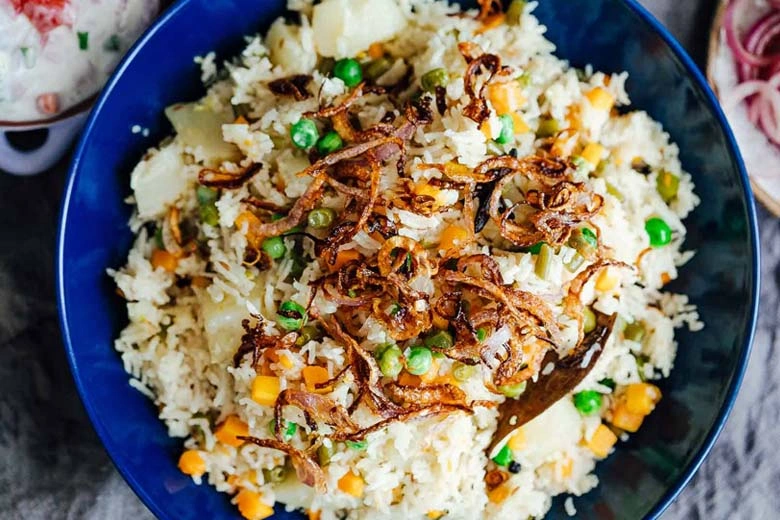
Unlike heavily spiced Indian pulaos found in the plains, Ladakhi Pulao is subtle, mildly sweet, and enriched with dry fruits and local Himalayan ingredients. It is especially popular during festivals, family gatherings, and special occasions in Ladakh, where food is designed to provide warmth and nourishment in the cold mountain climate.
What is Ladakhi Pulao?
Ladakhi Pulao is a traditional rice dish made with long-grain rice, aromatic spices, dry fruits, and sometimes vegetables or meat. It is known for its slightly sweet flavor profile, achieved through ingredients like raisins, apricots, and caramelized onions.

 6°C
6°C
- Temperature
- Rain Chance
- Wind


Key Characteristics:
- Mildly spiced and lightly sweet
- Often cooked in ghee or butter for richness
- Includes dried fruits such as raisins, almonds, or apricots
- Sometimes prepared with mutton or chicken for special occasions
Culturally, Ladakhi Pulao represents hospitality. It is often served to guests as a welcoming dish, reflecting warmth in the harsh Himalayan environment.
Origin and History
The origin of Ladakhi Pulao is closely tied to Ladakh’s historical position along ancient trade routes, including the Silk Road. These routes connected Central Asia, Tibet, and the Indian subcontinent, influencing local culinary traditions.
Over time, Ladakh absorbed cooking styles from Tibet and Kashmir, blending them with available local ingredients like barley, yak butter, and dried fruits. While rice is not native to Ladakh, it became an important ingredient through trade, gradually giving rise to dishes like Ladakhi Pulao.
The dish evolved as a festive and ceremonial meal, often prepared during Losar (Tibetan New Year) and other cultural celebrations.
Ingredients
The ingredients used in Ladakhi Pulao are simple but carefully balanced to create its signature flavor.
Main Ingredients:
- Basmati rice or local long-grain rice
- Ghee or butter
- Onions (thinly sliced)
- Garlic and ginger paste
- Cinnamon, cardamom, cloves
- Bay leaves
- Raisins and almonds
- Dried apricots (optional but traditional)
- Salt and mild spices
- Optional: mutton, chicken, or vegetables
These ingredients reflect both the availability of preserved foods in cold climates and the influence of trade-based cuisine.
How It Is Prepared
Ladakhi Pulao is prepared using a slow and aromatic cooking process.
Cooking Method:
- The rice is washed and soaked briefly to ensure fluffiness.
- Ghee is heated in a pot, and whole spices like cinnamon, cloves, and cardamom are added.
- Onions are sautéed until golden brown to add sweetness.
- Ginger and garlic paste are added for aroma.
- Rice is gently stirred into the mixture.
- Water or broth is added, along with salt and dry fruits.
- The dish is cooked on low heat until the rice is soft and fragrant.
- It is left to rest before serving to allow flavors to settle.
The result is a light yet aromatic rice dish with a perfect balance of savory and sweet notes.
Variations
Ladakhi Pulao has several regional and modern variations:
1. Vegetarian Ladakhi Pulao
Made with seasonal vegetables like carrots, peas, and potatoes.
2. Meat-Based Version
Includes mutton or chicken, especially during festivals or weddings.
3. Sweet-Inspired Version
Uses more dried fruits like apricots and raisins, making it slightly sweeter.
4. Modern Restaurant Style
Some restaurants in Leh add saffron, cashews, or fusion spices for enhanced flavor and presentation.
Why You Should Try It
Ladakhi Pulao is more than just a rice dish—it is a cultural experience. Its unique combination of mild spices, ghee richness, and dried fruit sweetness makes it stand apart from typical pulaos.
Reasons to Try It:
- Offers a taste of authentic Himalayan cuisine
- Perfect balance of sweet and savory flavors
- Nutritious and energy-rich, ideal for cold climates
- Reflects Ladakh’s cultural heritage and hospitality
- Comforting yet light on the stomach
For travelers exploring Ladakh, this dish provides a warm and memorable introduction to local food traditions.
Where to Try It
You can enjoy Ladakhi Pulao in many traditional eateries and homestays across Ladakh, especially in Leh and surrounding villages.
Popular Places:
- Local homestays in Leh Old Town
- Traditional Ladakhi kitchens in Nubra Valley
- Small family-run restaurants serving Tibetan-Ladakhi cuisine
- Cafés in Leh offering fusion Himalayan dishes
It is also commonly served during festivals like Losar, where households prepare large feasts for family and guests.
FAQs
1. Is Ladakhi Pulao spicy?
No, it is mildly spiced and focuses more on aroma and natural sweetness than heat.
2. Can Ladakhi Pulao be vegetarian?
Yes, most versions are vegetarian, using vegetables and dry fruits instead of meat.
3. What makes Ladakhi Pulao different from regular pulao?
It uses dried fruits, ghee, and minimal spices, giving it a sweet and aromatic Himalayan flavor.
4. Is it available outside Ladakh?
Some North Indian restaurants and Himalayan cuisine cafés may serve it, but it is most authentic in Ladakh.
5. What is the best time to eat Ladakhi Pulao?
It is enjoyed year-round but is especially comforting during cold winters.
Conclusion
Ladakhi Pulao is a beautiful representation of Ladakh’s culinary identity—simple, nourishing, and deeply rooted in tradition. With its gentle sweetness, fragrant spices, and rich cultural background, it offers a unique alternative to mainstream rice dishes.
Whether you are exploring Himalayan cuisine or planning a trip to Ladakh, trying Ladakhi Pulao is a must for an authentic taste of the mountains.