

Introduction
Tangtur is one of Ladakh’s lesser-known culinary treasures, offering warmth, nourishment, and comfort in the cold Himalayan climate. This wholesome noodle-based dish is deeply rooted in Ladakhi traditions and reflects the region’s resourceful cooking methods. Prepared using handmade noodles, seasonal vegetables, flavorful broth, and sometimes meat, Tangtur is a filling meal enjoyed by families throughout the year.
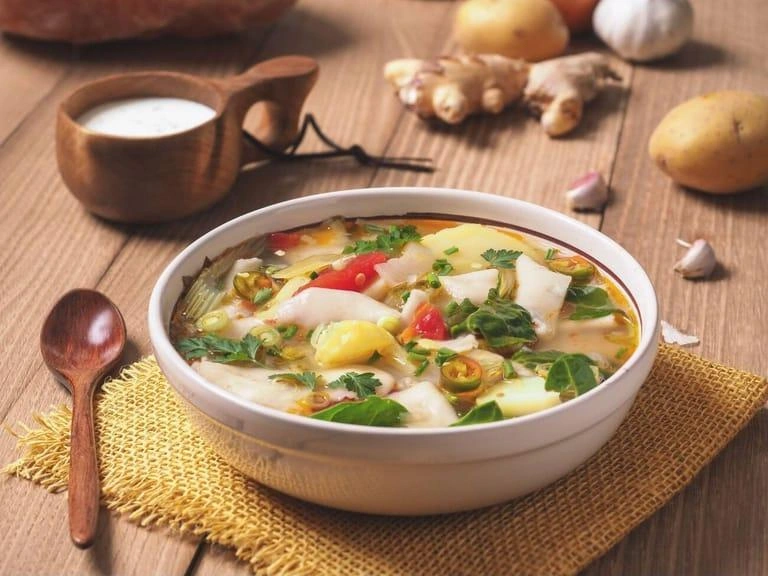
While dishes like thukpa and momos have gained international recognition, Tangtur remains a hidden gem that represents the authentic flavors of Ladakhi cuisine. Its simplicity, nutritional value, and comforting taste make it an essential dish for anyone interested in exploring the rich food culture of northern India.
What is Tangtur?
Tangtur is a traditional Ladakhi noodle soup prepared with handmade wheat noodles simmered in a rich broth along with vegetables and, in many households, meat such as mutton or yak. The dish is mildly seasoned, allowing the natural flavors of its ingredients to shine.

 6°C
6°C
- Temperature
- Rain Chance
- Wind


The broth is hearty yet light, making Tangtur perfect for Ladakh’s harsh winters. Fresh vegetables like carrots, potatoes, spinach, radish, onions, and cabbage are commonly added depending on seasonal availability.
Unlike heavily spiced Indian curries, Tangtur focuses on freshness and nourishment. The dish reflects Ladakh’s Buddhist and Himalayan culinary traditions, where food is designed to provide warmth and energy while using locally available ingredients.
Tangtur is often served as a complete meal and is commonly enjoyed with butter tea or traditional barley-based foods.
Origin and History
Tangtur originated in the high-altitude region of Ladakh, where extreme weather and limited agricultural resources shaped a practical and nutritious cuisine.
For centuries, Ladakhi families relied on wheat, barley, locally grown vegetables, and livestock such as sheep and yaks to sustain themselves. Handmade noodles became an important staple because they were easy to prepare and highly filling.
Tangtur evolved as a household dish that could incorporate whatever vegetables or meat were available, making it economical and versatile. Influences from Tibetan cuisine can also be seen in its noodle-based preparation, although Tangtur has developed its own distinctive Ladakhi identity over generations.
Today, the dish remains popular in villages and traditional homes while increasingly appearing on menus at local cafés and restaurants serving authentic Ladakhi food.
Ingredients
The ingredients for Tangtur are simple, wholesome, and locally sourced whenever possible.
Main Ingredients
- Handmade wheat noodles
- Vegetable or meat broth
- Carrots
- Potatoes
- Cabbage
- Spinach
- Radish
- Onions
- Garlic
- Ginger
- Green onions
- Salt
- Black pepper
- Mild local spices
- Mutton, lamb, or yak meat (optional)
- Fresh herbs for garnish
Many households adapt the ingredients according to the season, making every bowl slightly different.
How It Is Prepared
Tangtur is relatively easy to prepare but gains much of its flavor from slow simmering.
Step 1: Prepare the Broth
A vegetable or meat broth is simmered with ginger, garlic, onions, and mild seasonings to create a flavorful base.
Step 2: Cook the Vegetables
Fresh vegetables are chopped into bite-sized pieces and added to the broth until tender.
Step 3: Add the Noodles
Fresh handmade wheat noodles are gently cooked in the broth until soft while maintaining their texture.
Step 4: Add Meat (Optional)
If using mutton or yak meat, it is cooked until tender before combining with the vegetables and noodles.
Step 5: Garnish and Serve
The soup is finished with chopped spring onions or herbs and served piping hot.
The result is a comforting bowl of nutritious noodle soup ideal for cold mountain weather.
Variations
Like many traditional dishes, Tangtur has several regional and family-specific versions.
Vegetarian Tangtur
Prepared entirely with vegetables and vegetable broth, this version is popular in Buddhist households.
Meat Tangtur
Includes slow-cooked mutton, lamb, or yak meat for additional richness and protein.
Spicy Tangtur
Some cooks add local chili paste or crushed chilies to provide extra warmth during winter.
Modern Restaurant Version
Restaurants sometimes enrich Tangtur with mushrooms, paneer, or additional herbs while maintaining its traditional character.
Why You Should Try Tangtur
Tangtur offers far more than just a delicious meal.
Authentic Himalayan Flavor
It showcases the true taste of Ladakh using simple yet satisfying ingredients.
Healthy and Nutritious
Rich in vegetables, complex carbohydrates, and optional lean meat, Tangtur provides balanced nutrition.
Perfect Comfort Food
Its warm broth makes it ideal during cold weather or after long days of sightseeing and trekking.
Cultural Experience
Trying Tangtur provides insight into Ladakhi family traditions, seasonal cooking, and sustainable mountain living.
Light Yet Filling
Unlike heavier curries, Tangtur satisfies without feeling overly rich.
Where to Try Tangtur
Tangtur is most commonly found in Ladakh, especially in and around:
- Leh
- Nubra Valley
- Sham Valley
- Alchi
- Traditional Ladakhi villages
Many family-run restaurants, local cafés, guesthouses, and homestays prepare Tangtur using recipes passed down through generations. Visitors staying with local families often enjoy the most authentic versions made with freshly prepared noodles and seasonal ingredients.
Food festivals celebrating Ladakhi culture may also feature Tangtur alongside other regional specialties.
FAQs
Is Tangtur vegetarian?
It can be. Many households prepare vegetarian Tangtur using seasonal vegetables and vegetable broth, while others include mutton or yak meat.
What does Tangtur taste like?
Tangtur has a mild, comforting flavor with a rich broth, tender vegetables, and soft handmade noodles. The taste is fresh rather than spicy.
Is Tangtur similar to Thukpa?
They share similarities as noodle soups, but Tangtur has its own Ladakhi preparation style, ingredients, and family traditions.
Can Tangtur be made at home?
Yes. With fresh vegetables, homemade or fresh wheat noodles, and a flavorful broth, Tangtur is relatively simple to prepare.
When is Tangtur usually eaten?
It is commonly enjoyed as lunch or dinner, especially during the colder months when warm, nourishing meals are essential.
Conclusion
Tangtur is a wonderful example of Ladakh’s simple yet deeply satisfying cuisine. Combining handmade noodles, fresh vegetables, flavorful broth, and optional meat, this traditional Himalayan dish offers warmth, nutrition, and authentic regional flavor. Although it remains less famous than other Ladakhi specialties, Tangtur deserves recognition for its comforting taste and cultural significance.
Whether you’re exploring the mountains of Ladakh or recreating Himalayan recipes at home, Tangtur offers an unforgettable culinary experience that celebrates the traditions and resilience of one of India’s most remarkable regions.