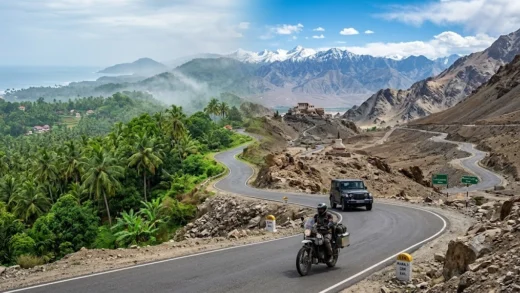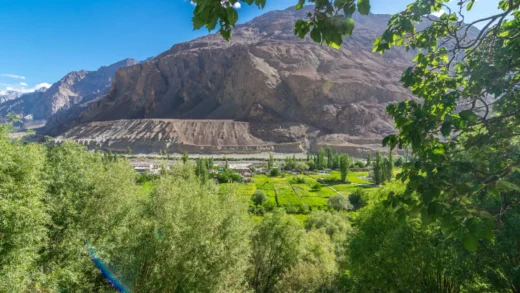


Basgo (also spelled Bazgo) is a historic village and cultural center in the Leh district of Ladakh, India, situated on the banks of the Indus River. It is famous for the 17th-century Basgo Monastery (Bazgo Gompa), ancient palace ruins, and the operational 45 MW Nimoo-Bazgo Hydroelectric Plant.
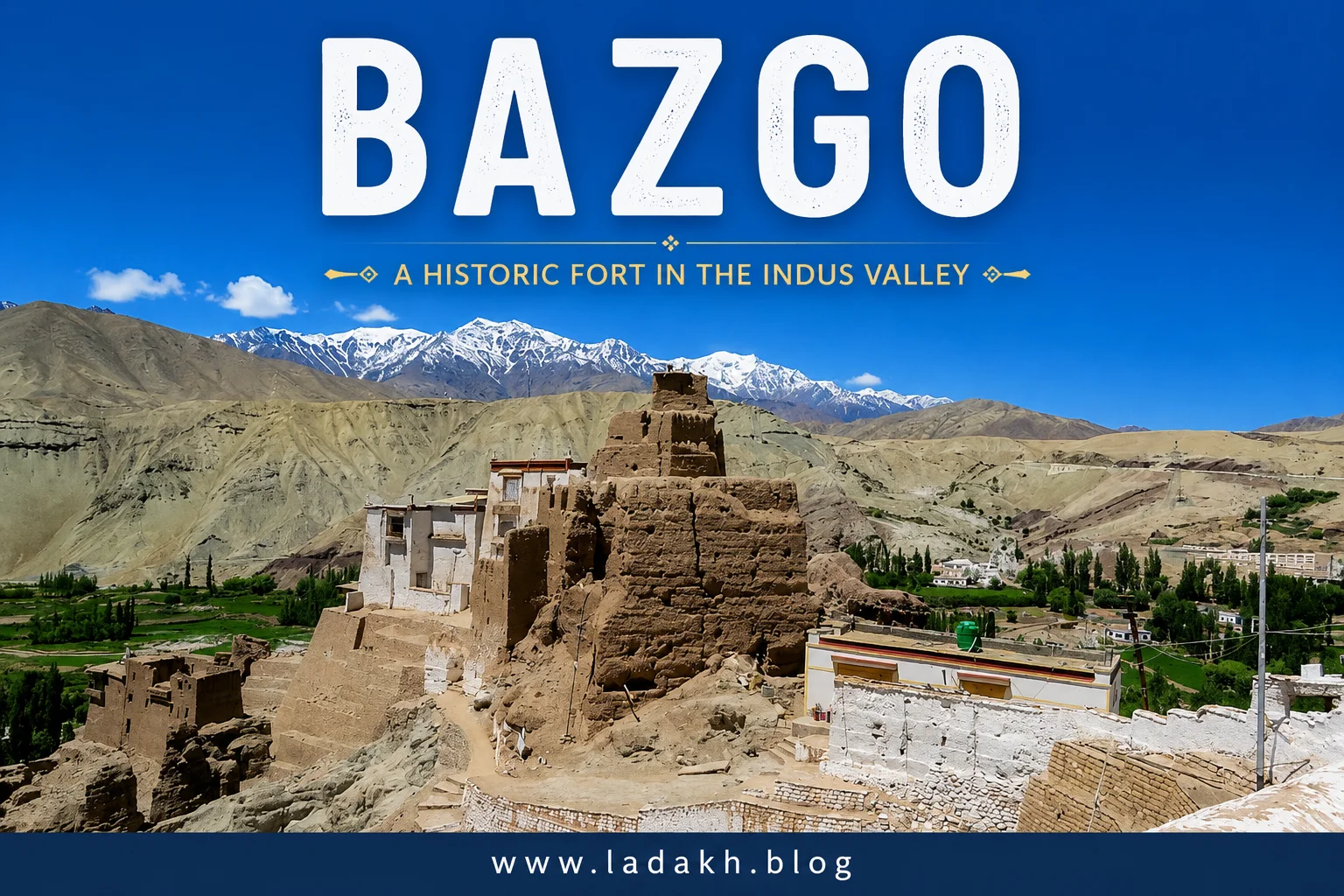
Visited Basgo Village during my Ladakh trip and really enjoyed the peaceful atmosphere and beautiful mountain views. Walking through the village and exploring the ancient monastery and fortress ruins gave me a glimpse into Ladakh’s rich history and culture.
The village is less crowded than many tourist spots in Ladakh, making it a great place to relax, take photos, and experience local life. If you are looking for an authentic Ladakhi village experience, Basgo is definitely worth a visit.

 1°C
1°C
- Temperature
- Rain Chance
- Wind


Bazgo Village
Bazgo is a village in the Leh district of Ladakh, India. It is located in the Likir tehsil. Bazgo is known for Basgo Monastery and historic ruins. It offers rich heritage, dramatic landscapes, and cultural exploration opportunities.
| Village Name | Bazgo |
| District | Leh Ladakh |
| Sub-Division | Likir |
| Block | Nimoo |
| Ethnic People | Ladakhi (Buddhist) |
| Population (Approx) | 800–1,500 |
Heritage destination
A historic village known for ancient monastery ruins and fort remains. | Heritage destination.
- History: Located about 40 km east of Leh, Basgo was once a prominent political and cultural center and is frequently mentioned in the Ladakhi Chronicles.
- Monastery: Built for the Namgyal rulers in 1680, the Basgo Monastery on Wikipedia towers over the ancient town ruins and is noted for its murals and dedicated Maitreya Buddha temples.
Nimoo-Bazgo Hydroelectric Plant
- Overview: A 45 MW run-of-the-river power station developed by NHPC Limited on the Indus River.
- Function: Commissioned to harness hydropower and stabilize the power grid in the challenging terrain of the Ladakh region.
Landscape & Environment
Leh is the largest district in the country in terms of area. It is one of the coldest and most elevated inhabited region of the world having 112 inhabited and 1 uninhabited villages.
| Distance from Leh | ~35 km |
| Scenic Landscape & Environment | Rocky terrain with heritage structures |
| Culture & Lifestyle | Traditional lifestyle |
Things To Do
The top things to do in and around the historic village of Basgo center heavily on exploring its ancient architecture, soaking in panoramic Himalayan landscapes, and taking a scenic day trip through the Sham Valley.
1. Explore the Three Ancient Maitreya Temples
The primary highlight of the Basgo Monastery complex is visiting its three living shrines. Each shrine is dedicated to the Maitreya (Future) Buddha and houses exceptional Tibetan art:
- Chamba Lhakhang: The highest temple in the complex. It holds a massive, 14-metre-high golden Maitreya Buddha statue. The statue’s head is uniquely positioned under a central skylight so his gaze looks down over the village.
- Serzang Temple: Famous for housing a copper-and-gilt Maitreya statue. It features sacred texts written in silver and gold lettering, alongside vivid 16th-century wall murals.
- Chamchung Temple: A smaller, intimate shrine sitting at the corner of the open courtyard. It offers an incredibly peaceful atmosphere for quiet meditation.
2. Trek Through the Ruins of Basgo Castle
Directly below the active shrines lie the crumbling mud-brick remnants of the ancient royal citadel.
- Walk through history: Wander among the multi-storeyed remnants of the Basgo Castle and fort walls built from rammed earth and rocks.
- Spot ancient artifacts: Search the hillsides to find historic stables, ministerial residences, and a wide array of old chortens (votive stupas).
3. Photography and Scenic Viewpoints
Perched atop stark, clay-colored hills, Basgo offers some of the most surreal landscapes in Ladakh.
- Capture the “Anthill” effect: Photograph the unique mud-brick structures blending seamlessly into the jagged cliffs, giving the entire complex the appearance of a massive, organic anthill.
- Enjoy panoramic valley vistas: Climb up to the courtyard or the highest temple balconies to get clear, expansive views of the lush green Indus Valley below, contrasting sharply against the barren mountain ranges.
Travel Tips
- Rest in Leh first: Spend 2 days acclimatising to high altitude before climbing the steep ruins.
- Climb very slowly: Take breaks on the temple steps to avoid getting out of breath.
- Bring physical cash: Keep small bills ready for the entry fees; there are no ATMs.
- Dress respectfully: Cover your shoulders and knees, and remove shoes before entering shrines.
- Wear gripped shoes: The paths around the castle ruins are rocky and full of loose gravel.
- Pack sun protection: Wear a hat, sunglasses, and strong sunscreen against the harsh mountain sun.
- Carry water: Drink constantly to stay hydrated in the dry desert air.
- Bring a jacket: The wind at the top of the cliffs can turn cold quickly.
Best Time to Visit
Best Time to Visit Bazgoo Village: May–September
Near By Places
| Nearest Airport | Kushok Bakula Rimpochee Airport |
| Nearest Bus Station / Stop | Leh Bus Stand |
| Nearest Hospital / Clinic | Sonam Norboo Memorial Hospital |
| Nearest Fuel Station | Indian Oil Petrol Pump Leh |
Discover the timeless charm of Ladakh by exploring Bazgoo village, where tradition, landscapes, and culture come together to offer an authentic and enriching travel experience.