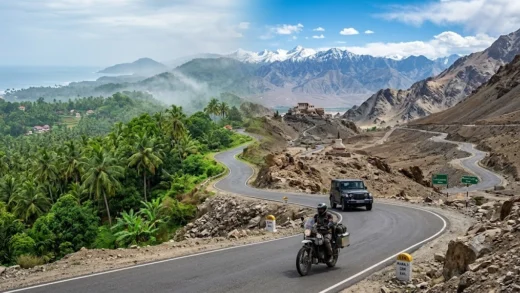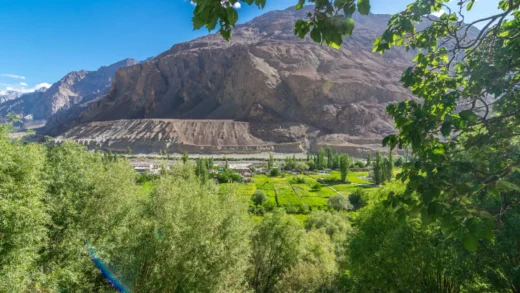


Nestled at an altitude of approximately 3,500 metres above sea level, Leh Town is the cultural, historical, and administrative centre of Ladakh. Surrounded by rugged Himalayan mountains, ancient monasteries, and centuries-old palaces, Leh serves as the perfect gateway to explore the breathtaking landscapes of the region. Whether you are visiting Ladakh for adventure, spirituality, photography, or cultural experiences, Leh Town offers something for every traveller.
Why Visit Leh Town?
Leh is much more than just a transit point for visiting Pangong Lake or Nubra Valley. The town itself is rich in history, culture, and traditions that have evolved over centuries along the ancient Silk Route.
Visitors can explore royal palaces, Buddhist monasteries, museums, bustling markets, historic mosques, and peaceful stupas while enjoying stunning views of the surrounding mountains.

 5°C
5°C
- Temperature
- Rain Chance
- Wind


Best Time to Visit Leh Town
| Season | Months | Experience |
|---|---|---|
| Summer | May to September | Pleasant weather and sightseeing |
| Autumn | October | Clear skies and fewer tourists |
| Winter | November to March | Snowfall and winter landscapes |
| Spring | April | Blooming apricot trees |
The summer months remain the most popular time to visit, while winter offers a unique opportunity to experience Ladakh’s snowy beauty.
Top Places to Visit in Leh Town
Shanti Stupa
Perched on a hill overlooking the town, Shanti Stupa is one of Leh’s most iconic landmarks. Built to promote world peace, the white-domed structure offers spectacular sunrise and sunset views over the Indus Valley and surrounding mountains.
Leh Palace
Built by King Sengge Namgyal in the 17th century, Leh Palace dominates the skyline of the town. The palace features ancient architecture, royal chambers, and panoramic views of Leh.
Namgyal Tsemo Monastery
Located above Leh Palace, this historic monastery houses a giant Maitreya Buddha statue and offers some of the finest viewpoints in Leh.
Leh Jokhang
Situated in the heart of the market area, Leh Jokhang is an important Buddhist temple and spiritual centre for local residents.
Sankar Monastery
A peaceful monastery known for its beautiful murals, statues, and serene atmosphere. It serves as the residence of the Bakula Rinpoche lineage.
Hall of Fame
Maintained by the Indian Army, this museum showcases Ladakh’s military history, the Siachen conflict, and the sacrifices of Indian soldiers.
Zorawar Fort
Constructed in 1836 by General Zorawar Singh, this restored fort now features historical exhibits and cultural displays.
Central Asian Museum
A modern museum that explains Leh’s historical role as a major trading hub along the Silk Route connecting India, Tibet, Central Asia, and Kashmir.
Jama Masjid
Located in Leh Main Bazaar, this centuries-old mosque reflects the town’s multicultural heritage and historical trade connections.
Datun Sahib
A sacred Sikh site believed to mark the location where Guru Nanak Dev Ji planted a herbal brush that later grew into a tree.
Eco Park
A beautiful green space ideal for evening walks, photography, cultural performances, and relaxation.
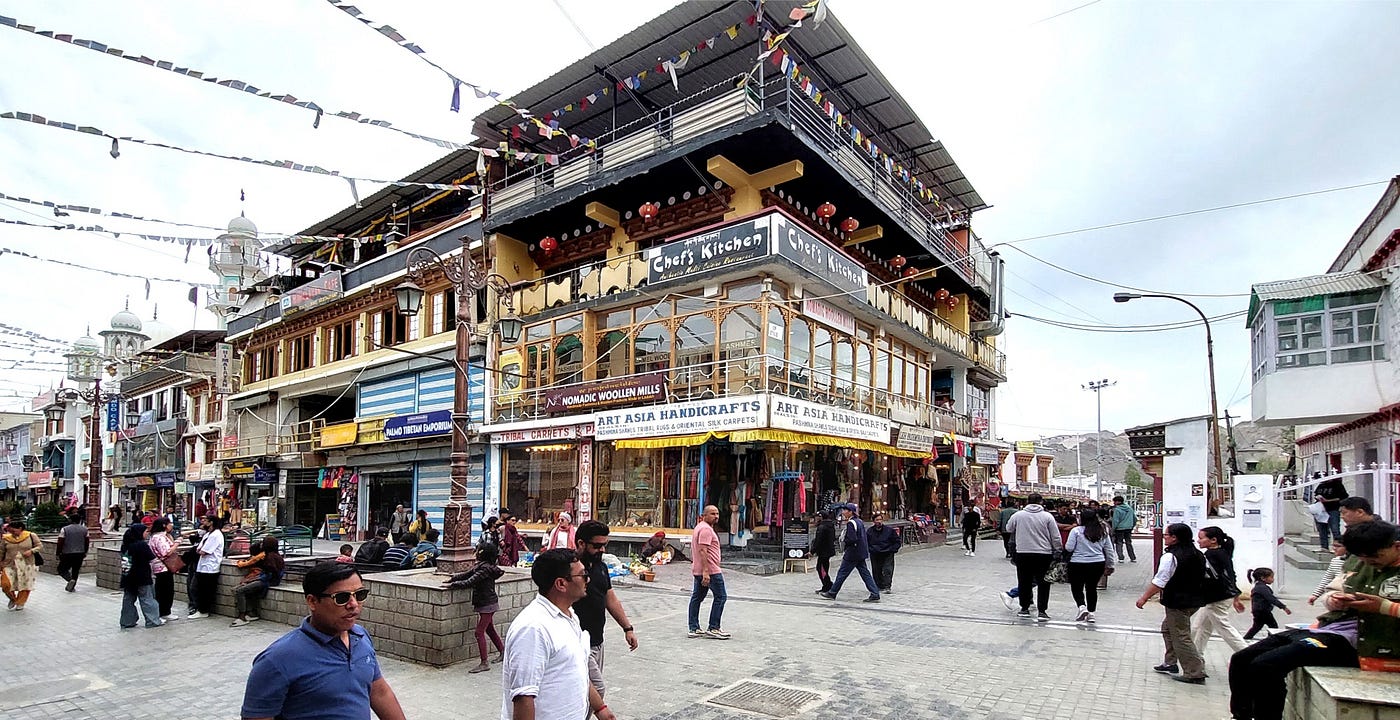
Explore Leh Main Market
No visit to Leh is complete without spending time in the vibrant Main Bazaar.
Things to buy include:
- Pashmina shawls
- Tibetan handicrafts
- Prayer flags
- Buddhist artefacts
- Ladakhi jewellery
- Apricots and dry fruits
- Souvenirs
The market comes alive during the evening with cafés, restaurants, and local shops welcoming visitors.
Things to Do in Leh Town
Watch Sunset at Shanti Stupa
One of the most memorable experiences in Leh is watching the sun set behind the Himalayan peaks.
Enjoy Ladakhi Cuisine
Try local dishes such as:
- Thukpa
- Skyu
- Chhutagi
- Momos
- Butter Tea
- Apricot Jam
Attend Cultural Shows
During the tourist season, cultural performances featuring traditional Ladakhi music and dance are often organised.
Photography Walks
Leh’s narrow lanes, traditional mud-brick houses, monasteries, and mountain backdrops make it a paradise for photographers.
Visit Local Cafés
Leh is known for its cosy cafés serving coffee, Tibetan food, and international cuisine.
Experience Traditional Ladakhi Life
Walk through Changspa and nearby residential areas to observe traditional Ladakhi architecture and lifestyle.
Suggested One-Day Leh Town Itinerary
Morning
- Leh Palace
- Namgyal Tsemo Monastery
- Leh Jokhang
Afternoon
- Hall of Fame
- Zorawar Fort
- Central Asian Museum
Evening
- Eco Park
- Shanti Stupa Sunset
- Shopping at Leh Main Bazaar
Travel Tips for Visiting Leh Town
- Spend the first 24 to 48 hours acclimatising.
- Drink plenty of water.
- Avoid strenuous activity on arrival day.
- Carry sunscreen and sunglasses.
- Respect local customs and monastery rules.
- Dress modestly while visiting religious sites.
How Many Days Should You Stay in Leh?
A minimum of two days is recommended to properly explore Leh Town and acclimatise before visiting higher-altitude destinations such as Pangong Lake, Nubra Valley, or Tso Moriri.
Soul of Ladakh
Leh Town is the soul of Ladakh. While many travellers rush towards the region’s famous lakes and valleys, those who spend time exploring Leh discover a fascinating blend of history, spirituality, culture, and mountain life. From ancient palaces and monasteries to bustling markets and peaceful viewpoints, Leh offers an unforgettable introduction to the wonders of Ladakh.
MyTrip Personal Experience
During my stay in Leh, I initially thought it was only a stopover before visiting Pangong Lake and Nubra Valley. However, after spending two days exploring the town, I realised Leh itself is a destination worth experiencing. I enjoyed walking through the Main Bazaar in the evening, tasting hot momos, and watching local life unfold. The sunset from Shanti Stupa was one of the most peaceful moments of my Ladakh trip. Climbing up to Leh Palace and Namgyal Tsemo gave me incredible views of the entire town surrounded by barren mountains. What I liked most about Leh was its unique mix of culture, history, and mountain charm that cannot be found anywhere else in India.