
Introduction
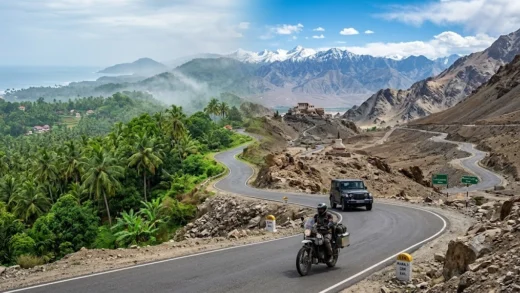
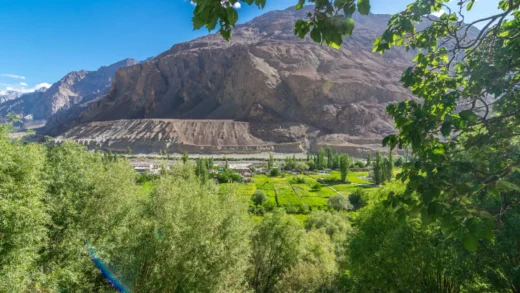
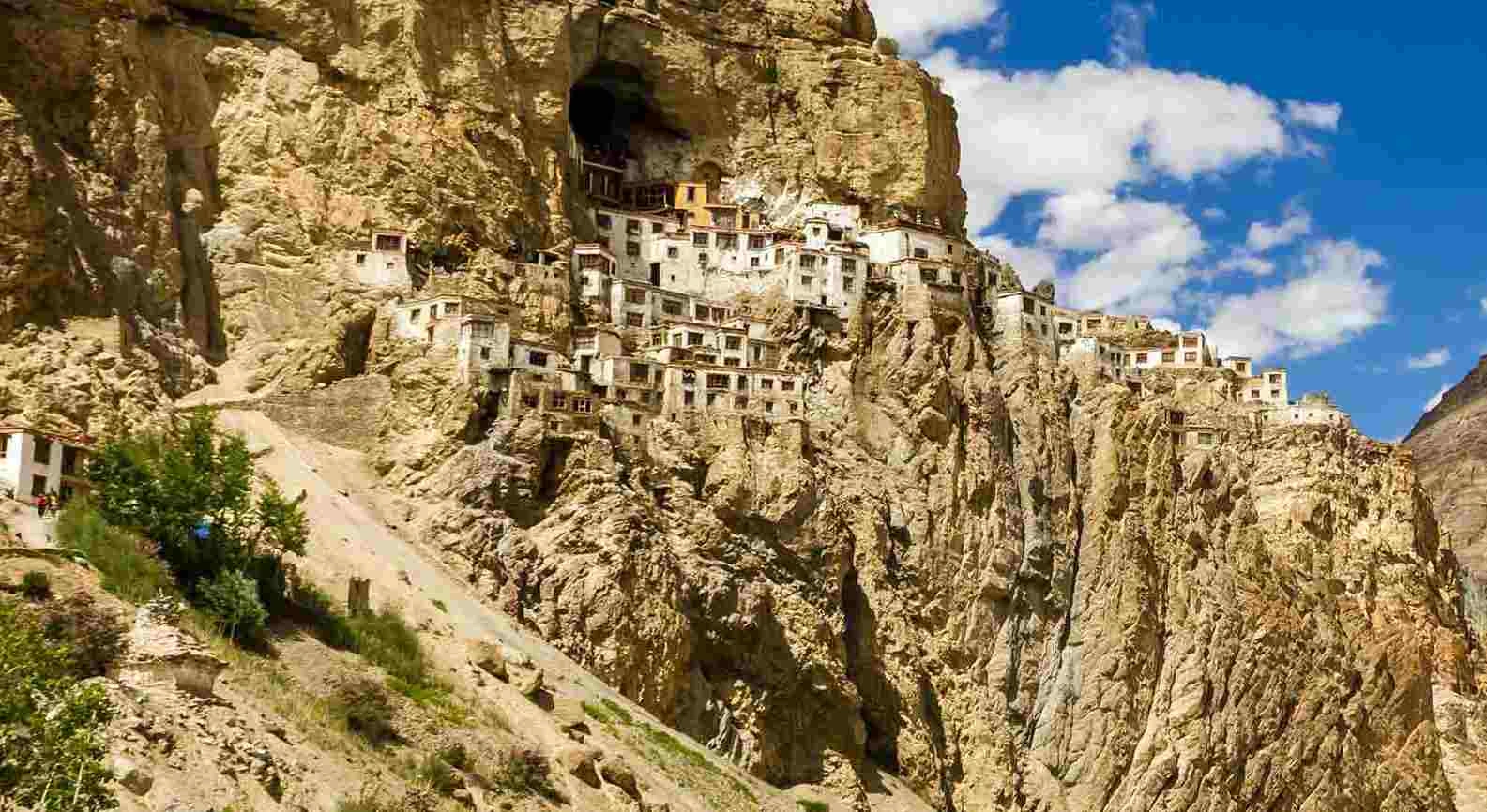
Phugtal Monastery is one of the most remote and visually dramatic monasteries in Ladakh. Built dramatically into a cliffside cave in the Zanskar region, it appears as if it is suspended between heaven and earth. Known as the “Cave of Liberation,” it offers a rare combination of spirituality, adventure, and untouched Himalayan beauty, making it a highlight of any Ladakh Travel Guide.
| Details | Information |
|---|---|
| Location | Lungnak Valley, Zanskar, Ladakh, India |
| District | Kargil District (Zanskar region) |
| Altitude | ~3,850 meters |
| Founded | 12th Century |
| Buddhist School | Gelug |
| Founder | Gangsem Sherap Sampo |
| Best Time to Visit | June to September |
| Entry Fee | Free (donations welcomed) |
| Timings | 7:00 AM – 6:00 PM |
| Photography Rules | Allowed outside, restricted inside prayer halls |
| Nearby Attractions | Zanskar Valley, Purne Village, Karsha Monastery |
| Distance from Leh | ~470 km |
History of Phugtal Monastery
Founding History
Phugtal Monastery dates back to the 12th century and was established around a sacred meditation cave used by ancient Buddhist sages.
Founder and Lineage
It was founded by Gangsem Sherap Sampo, a respected Buddhist scholar who helped spread Buddhism across the Zanskar region.

 6°C
6°C
- Temperature
- Rain Chance
- Wind


Historical Importance
- Became an important learning center for monks
- Preserved ancient Buddhist scriptures
- Survived harsh Himalayan conditions for centuries
- Continues to function as a living monastery
Legends
Local folklore says the cave has spiritual energy that attracts meditators seeking enlightenment.
Architecture and Design
Cliffside Structure
Phugtal Monastery is built directly into a natural cave, blending perfectly with the surrounding cliffs.
Prayer Halls
Inside, there are prayer halls decorated with traditional Tibetan Buddhist art.
Murals and Thangkas
Ancient murals and thangkas depict Buddha, bodhisattvas, and Buddhist teachings.
Monastery Layout
- Main prayer hall
- Meditation caves
- Monk quarters
- Library
- Courtyards
Religious Significance
Phugtal Monastery follows the Gelug tradition of Tibetan Buddhism and is an active center for meditation and learning.
Key Practices
- Daily chanting
- Meditation sessions
- Buddhist teachings
- Ritual ceremonies
Deities Worshipped
- Buddha Shakyamuni
- Avalokiteshvara
- Tara
- Maitreya
What to See Inside Phugtal Monastery
- Main temple with Buddha statues
- Assembly hall for monks
- Ancient murals and sacred art
- Meditation caves
- Monastic library
- Scenic viewpoints overlooking Zanskar Valley
Festivals Celebrated at Phugtal Monastery
Gustor Festival
- Sacred Cham mask dances
- Ritual offerings
- Traditional music and chanting
Cultural Importance
This festival represents the victory of good over evil and attracts locals and pilgrims.
Things to Do at Phugtal Monastery
- Trek through Zanskar Valley
- Explore cave interiors
- Interact with monks respectfully
- Witness prayer ceremonies
- Photography of landscapes
- Experience remote Himalayan culture
Photography Guide
Best Spots
- Cliffside viewpoint across the valley
- Trekking route approaches
- Monastery exterior
Timing
- Sunrise: soft golden light
- Sunset: dramatic mountain shadows
Rules
- No flash inside prayer halls
- Ask permission before photographing monks
- Drone usage requires permission
How to Reach Phugtal Monastery
By Air
Nearest airport is Kushok Bakula Rimpochee Airport, Leh.
By Road
Leh → Kargil → Padum → Purne Village
By Trek
From Purne Village, a 4–5 km trek is required.
By Taxi
Available from Leh or Padum during summer.
By Public Transport
Limited buses operate only in peak summer season.
Distance Chart
| From | Distance |
|---|---|
| Leh | ~470 km |
| Nubra Valley | ~600 km |
| Pangong Lake | ~650 km |
| Lamayuru | ~320 km |
| Kargil | ~250 km |
| Alchi | ~390 km |
| Diskit | ~620 km |
| Hanle | ~700 km |
Best Time to Visit
Summer (June–September)
Best season with open roads and pleasant weather.
Autumn (September–October)
Clear skies and fewer tourists.
Winter (November–March)
Extreme cold and inaccessible routes.
Spring (April–May)
Transition season with unpredictable weather.
Nearby Attractions
- Zanskar Valley
- Karsha Monastery
- Stongde Monastery
- Tsarap River
- Padum town
Travel Tips
- Acclimatize in Leh before travel
- Carry warm clothing even in summer
- Respect monastic silence
- No ATMs near monastery
- Limited mobile network
Lesser-Known Facts About Phugtal Monastery
- Built around a natural ancient cave
- Home to around 70 monks
- Only accessible by trekking until recently
- Houses rare Buddhist manuscripts
- One of the most isolated monasteries in Ladakh
Why Visit Phugtal Monastery
Phugtal Monastery is not just a destination—it is an experience of spiritual isolation, natural beauty, and Himalayan culture. Its cliffside architecture and remote location make it one of the most unforgettable monasteries in Ladakh.
Frequently Asked Questions
1. Where is Phugtal Monastery located?
In Zanskar Valley, Ladakh, built on a cliff above the Tsarap River.
2. How old is it?
It dates back to the 12th century.
3. Is there an entry fee?
No, but donations are appreciated.
4. How do I reach it?
Via Padum and a trek from Purne Village.
5. Is it difficult to visit?
Yes, due to remote location and trekking requirement.
6. Which Buddhist school does it follow?
Gelug School.
7. Can I stay there?
Limited accommodation may be available for monks or pilgrims.
8. What is the best time to visit?
June to September.
9. Are guides available?
Yes, in Padum and nearby villages.
10. Why is it famous?
For its cliffside cave structure and remote Himalayan setting.
Conclusion
Phugtal Monastery stands as one of the most extraordinary examples of Buddhist heritage in Ladakh. Hidden deep in the Zanskar region, it rewards every traveler with unmatched scenery, spiritual calm, and a deep sense of isolation from the modern world. For anyone exploring monasteries in Ladakh or planning a Ladakh Tourism journey, Phugtal Monastery is truly a once-in-a-lifetime experience.