

Introduction
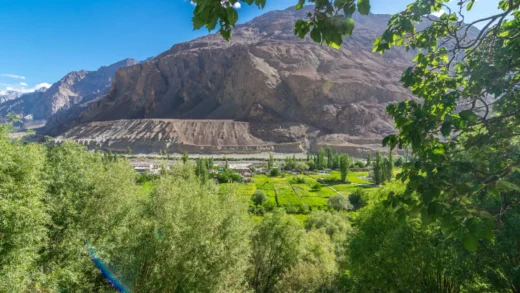
The Spituk Gustor Festival is one of the most fascinating Buddhist festivals in Ladakh, attracting pilgrims, photographers, and travelers from around the world. Held annually at the historic Spituk Monastery near Leh, this vibrant festival showcases sacred masked dances, ancient rituals, and centuries-old Buddhist traditions against the stunning backdrop of the Indus Valley.
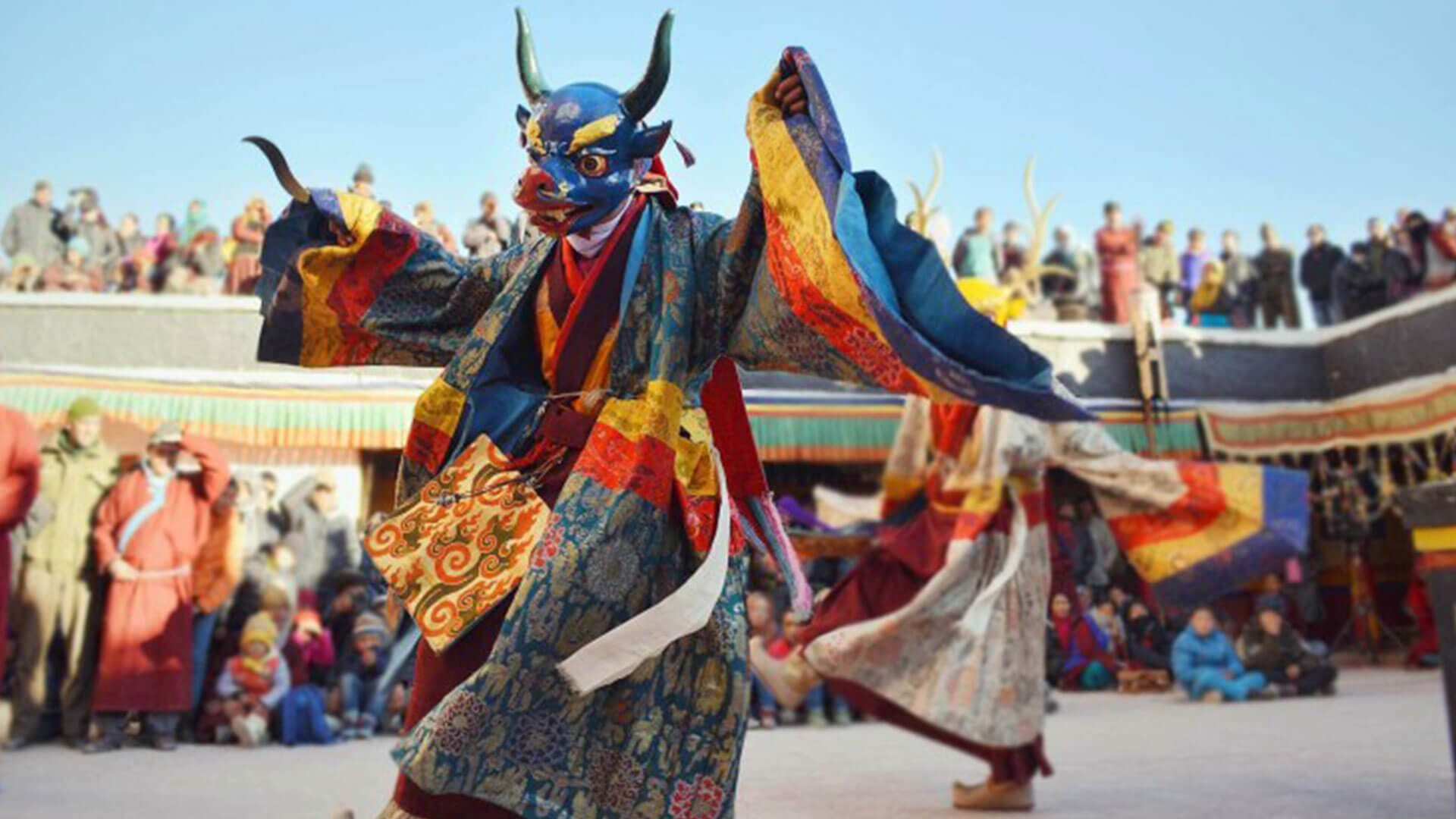
For visitors seeking an authentic cultural experience in Ladakh, the Spituk Gustor Festival offers a unique opportunity to witness the triumph of good over evil through colorful performances, spiritual ceremonies, and traditional celebrations.
About the Spituk Gustor Festival
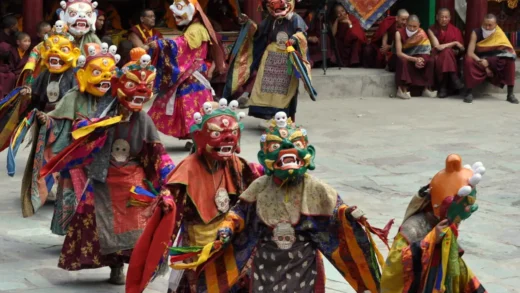
The word “Gustor” translates to “Sacrifice of the 29th Day” in Tibetan. The festival is celebrated during the 11th month of the Tibetan lunar calendar and marks the symbolic destruction of negative forces. Monks perform sacred Cham dances wearing elaborate masks and costumes representing protective deities, guardians, and spiritual beings.

 12°C
12°C
- Temperature
- Rain Chance
- Wind



The festival is deeply rooted in Tibetan Buddhist traditions and serves as both a religious ceremony and a community celebration.
History of the Festival
Spituk Monastery was founded in the 11th century and later became an important center of the Gelugpa (Yellow Hat) school of Tibetan Buddhism. The Gustor Festival has been celebrated here for centuries, preserving rituals passed down through generations of monks.
Today, it remains one of the most significant winter festivals in Ladakh, drawing both local devotees and international visitors.
Major Highlights
Cham Masked Dances
The main attraction of the festival is the sacred Cham dance performed by monks. Dressed in colorful silk robes and ornate masks, they enact stories depicting the victory of good over evil and the protection of Buddhist teachings.
Unveiling of Sacred Deities
During the festival, special religious ceremonies are conducted, and sacred images and statues are displayed for devotees.
Ritual Offerings and Prayers
Monks chant ancient scriptures and perform rituals seeking peace, prosperity, and protection for all living beings.
Burning of the Effigy
One of the most dramatic moments is the ceremonial destruction of an effigy representing evil and negative energies. This symbolizes purification and the beginning of a new spiritual cycle.
Festival Atmosphere
The monastery courtyard comes alive with traditional music, prayer flags, colorful costumes, and crowds of pilgrims. The festival provides excellent opportunities for cultural photography while offering insight into Ladakh’s rich Buddhist heritage.
Visitors can enjoy spectacular views of the Indus Valley while experiencing one of the region’s most important religious celebrations.
Best Time to Visit
The Spituk Gustor Festival is generally held in January or February, depending on the Tibetan lunar calendar.
Winter visitors should be prepared for extremely cold temperatures that often fall below freezing, especially during early mornings and evenings.
Photography Tips
- Arrive early to secure the best viewing position.
- Carry extra camera batteries as cold temperatures drain power quickly.
- Use a zoom lens to capture detailed images of the masked dancers.
- Respect monastery rules and avoid disturbing religious ceremonies.
- Seek permission before taking close-up portraits of monks and devotees.
How to Reach Spituk Monastery
By Air
Leh Airport is located approximately 5 km from Spituk and is connected to major Indian cities.
By Road
Spituk is situated around 8 km from Leh town and can be reached by taxi or local transport within 15–20 minutes.
By Motorcycle
Many travelers combine a visit to the festival with a winter motorcycle adventure around Leh and nearby villages.
Travel Tips
- Dress in multiple warm layers.
- Carry gloves, thermal wear, and a winter jacket.
- Stay hydrated despite the cold weather.
- Acclimatize properly if arriving from lower altitudes.
- Respect local customs and religious practices.
- Book accommodation in advance during festival dates.
Nearby Attractions
- Spituk Monastery
- Hall of Fame Museum
- Magnetic Hill
- Indus River Viewpoints
- Leh Palace
- Shanti Stupa
- Sangam (Indus-Zanskar Confluence)
Why Visit the Spituk Gustor Festival?
The Spituk Gustor Festival is much more than a cultural event. It is a living expression of Ladakh’s Buddhist traditions, offering visitors a rare glimpse into ancient spiritual practices that have remained unchanged for centuries. Combined with the stunning landscapes of the Indus Valley and the historic Spituk Monastery, the festival creates an unforgettable experience for anyone exploring Ladakh during the winter season.
Whether you are a photographer, cultural enthusiast, or spiritual traveler, the Spituk Gustor Festival stands among the most rewarding experiences in Ladakh.