

Introduction
Located on a hilltop overlooking the magnificent Indus Valley, Spituk Monastery is one of the oldest and most revered monasteries in Ladakh. Situated just 8 kilometres from Leh, this historic Buddhist monastery offers visitors an incredible blend of spirituality, ancient architecture, Himalayan landscapes, and rich cultural heritage.
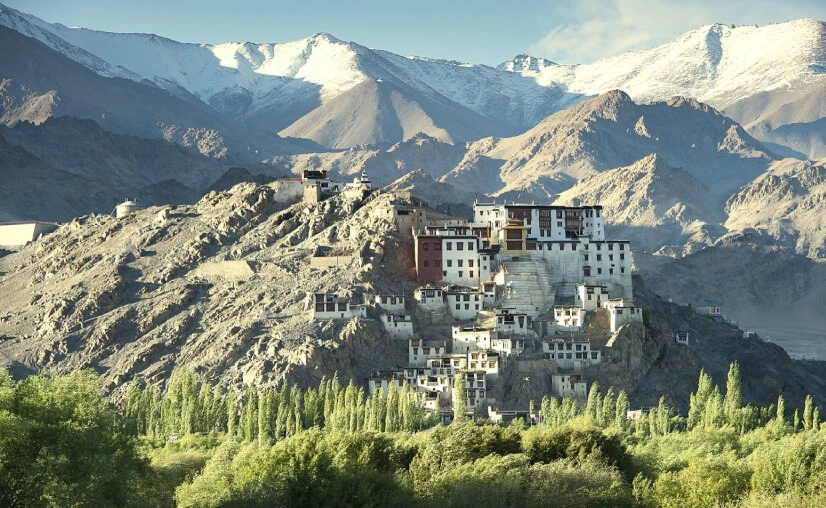
Known locally as Pethup Gompa, Spituk Monastery has served as an important centre of Tibetan Buddhism for nearly a thousand years. Home to a thriving community of monks, priceless Buddhist treasures, colourful murals, and spectacular viewpoints, it remains one of the must-visit attractions in every Ladakh Travel Guide. Whether you’re interested in history, photography, meditation, or exploring the finest Monasteries in Ladakh, Spituk Monastery promises an unforgettable experience.
| Details | Information |
|---|---|
| Location | Spituk Village, Leh District, Ladakh, India |
| District | Leh District |
| Altitude | 3,307 metres (10,850 ft) above sea level |
| Founded | 11th Century CE |
| Buddhist School | Gelug (Yellow Hat) School (formerly Kadampa) |
| Founder | Lama Lhawang Lodos |
| Best Time to Visit | May to September |
| Entry Fee | ₹30–₹50 (Indian visitors), ₹50–₹100 (Foreign visitors) (subject to change) |
| Timings | 8:00 AM – 1:00 PM & 2:00 PM – 6:00 PM |
| Photography Rules | Photography is allowed outdoors. Permission may be required inside prayer halls. Flash photography is discouraged. |
| Nearby Attractions | Hall of Fame, Leh Palace, Shanti Stupa, Magnetic Hill, Gurudwara Pathar Sahib, Indus River |
| Distance from Leh | Approximately 8 km |
History of Spituk Monastery
Founding History
Spituk Monastery was founded during the 11th century, a period known as the Second Diffusion of Buddhism across Tibet and Ladakh. The monastery was established under the guidance of Lama Lhawang Lodos, a disciple associated with the renowned Buddhist translator Rinchen Zangpo, who played a vital role in spreading Buddhism throughout the Himalayan region.

 5°C
5°C
- Temperature
- Rain Chance
- Wind


The monastery’s strategic location atop a rocky hill overlooking the Indus Valley was carefully chosen for meditation, learning, and spiritual practice.
Founder and Lineage
Initially, Spituk Monastery belonged to the Kadampa School of Tibetan Buddhism. During the 15th century, it was incorporated into the Gelug School, founded by the great Buddhist reformer Je Tsongkhapa. Today, it continues to follow the Gelug tradition and serves as one of Ladakh’s important centres for Buddhist education and religious ceremonies.
Important Historical Events
- Established during Buddhism’s revival in Ladakh.
- Became an important monastery under Ladakhi royal patronage.
- Converted to the Gelug School in the 15th century.
- Expanded through several centuries with additional temples and prayer halls.
- Continues preserving ancient Buddhist manuscripts and sacred relics.
Role in Ladakh’s Buddhist Heritage
For nearly a millennium, Spituk Monastery has played a major role in preserving Tibetan Buddhist philosophy, rituals, art, and education. It remains one of the most respected Buddhist Monasteries in Ladakh, attracting monks, pilgrims, scholars, and tourists from around the world.
Legends and Folklore
According to local legend, the monastery received its name “Spituk,” meaning “Exemplary,” from Rinchen Zangpo himself after predicting that it would become an outstanding centre of Buddhist learning.
Another fascinating legend revolves around the fierce Goddess Kali statue, which remains covered throughout most of the year and is unveiled only during the annual Spituk Gustor Festival.
Architecture and Design
Spituk Monastery is an excellent example of traditional Tibetan Buddhist architecture blended harmoniously into the rugged Himalayan landscape.
Exterior Architecture
The monastery features:
- Whitewashed stone buildings
- Golden rooftops
- Multi-tiered temple complex
- Colourful prayer flags
- Narrow stone pathways
- Terraced courtyards overlooking the Indus Valley
The elevated location provides breathtaking panoramic views of Leh, the Indus River, and surrounding mountain ranges.
Prayer Halls
The monastery houses several beautifully decorated prayer halls featuring:
- Intricately carved wooden pillars
- Butter lamps
- Prayer wheels
- Buddhist altars
- Monastic seating for chanting ceremonies
Ancient Murals
The interior walls are adorned with centuries-old murals depicting:
- Buddha Shakyamuni
- Avalokiteshvara
- Mahakala
- Buddhist cosmology
- Wheel of Life
- Sacred mandalas
These paintings remain remarkably well-preserved.
Thangkas
Visitors can admire traditional silk Thangkas displaying Buddhist deities, teachings, and sacred symbolism. Some rare Thangkas are exhibited only during festivals.
Statues
The monastery houses impressive statues of:
- Buddha Shakyamuni
- Tsongkhapa
- Padmasambhava
- Tara
- Mahakala
- Vajrabhairava
- Goddess Kali
Monastery Layout
The complex consists of:
- Main temple
- Assembly hall
- Monk residences
- Meditation rooms
- Library
- Sacred shrines
- Courtyards
- Rooftop terraces
Unique Artistic Elements
Highlights include:
- Hand-painted wooden ceilings
- Intricate carvings
- Ancient prayer wheels
- Ceremonial masks
- Gold-plated statues
- Traditional Tibetan artwork
Restoration Efforts
Several restoration projects have helped preserve the monastery’s murals, manuscripts, statues, and ancient architecture while maintaining its historical authenticity.
Religious Significance
Spituk Monastery remains one of the leading centres of Tibetan Buddhism in Ladakh.
Buddhist Traditions Practiced
The monastery follows the Gelug School, emphasizing:
- Buddhist philosophy
- Meditation
- Daily chanting
- Monastic education
- Ritual ceremonies
Important Deities
Among the most revered deities are:
- Buddha Shakyamuni
- Tsongkhapa
- Avalokiteshvara
- Green Tara
- Mahakala
- Vajrabhairava
- Goddess Kali
Spiritual Importance
The monastery represents wisdom, compassion, discipline, and the continuous preservation of Tibetan Buddhist teachings across Ladakh.
Monastic Life
Resident monks spend their days studying scriptures, debating Buddhist philosophy, performing rituals, teaching younger monks, and serving the local community.
Daily Rituals
Visitors may witness:
- Morning prayers
- Chanting ceremonies
- Butter lamp offerings
- Meditation sessions
- Scripture recitations
- Evening prayers
What to See Inside Spituk Monastery
Main Temple
The main temple houses magnificent Buddha statues, richly decorated altars, and sacred relics.
Assembly Hall
The spacious assembly hall serves as the venue for daily prayers, festivals, and important religious gatherings.
Buddha Statues
Beautiful statues include:
- Buddha Shakyamuni
- Tsongkhapa
- Padmasambhava
- Mahakala
Murals
Admire colourful murals illustrating Buddhist teachings, deities, mandalas, and sacred stories.
Library
The monastery preserves ancient Tibetan manuscripts, scriptures, and valuable religious texts.
Courtyards
The peaceful courtyards offer opportunities to observe monks, relax, and admire traditional Himalayan architecture.
Viewpoints
One of the highlights of visiting Spituk Monastery is its spectacular panoramic viewpoints overlooking:
- Leh town
- Indus River
- Stok Kangri range
- Leh Airport
- Snow-covered Himalayas
Sacred Relics
The monastery safeguards numerous sacred relics, ceremonial masks, ritual objects, and ancient Buddhist artefacts.
Festivals Celebrated at Spituk Monastery
Spituk Gustor Festival
Usually Celebrated: January (Tibetan Lunar Calendar)
This two-day festival is the monastery’s biggest annual celebration.
Highlights include:
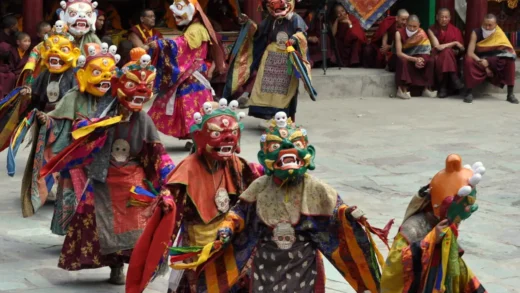
- Sacred Cham mask dances
- Ritual prayers
- Traditional music
- Monastic ceremonies
- Blessings for peace and prosperity
- Unveiling of the revered Goddess Kali statue
Cultural Importance
The festival symbolizes the triumph of good over evil while preserving centuries-old Buddhist traditions unique to Ladakh.
Visitor Experience
Visitors can enjoy:
- Colourful costumes
- Ancient rituals
- Cultural performances
- Buddhist chanting
- Traditional Ladakhi hospitality
- Excellent photography opportunities
Things to Do at Spituk Monastery
- Explore one of the oldest monasteries in Ladakh.
- Attend morning prayer ceremonies.
- Admire ancient Buddhist murals.
- Visit the sacred temples.
- Enjoy panoramic Himalayan views.
- Learn about Tibetan Buddhism.
- Visit during the Spituk Gustor Festival.
- Practice peaceful meditation.
- Capture stunning photographs.
- Combine your visit with nearby Leh attractions.
Photography Guide
Best Photo Spots
- Monastery entrance
- Rooftop terraces
- Prayer flag viewpoints
- Courtyards
- Indus Valley overlook
Sunrise Photography
Early morning sunlight beautifully illuminates the monastery while creating soft golden colours across the mountains.
Sunset Photography
The monastery becomes especially photogenic during sunset when warm golden light reflects across the whitewashed buildings.
Drone Regulations
Drone photography is generally restricted due to nearby Leh Airport and military installations. Always obtain official permission before flying a drone.
Photography Etiquette
- Ask permission before photographing monks.
- Never use flash inside prayer halls.
- Respect restricted areas.
- Maintain silence during religious ceremonies.
How to Reach Spituk Monastery
By Air
The nearest airport is Kushok Bakula Rimpochee Airport, Leh, located about 5 km away. Taxis are available directly from the airport.
By Road
Spituk Monastery is connected by the Leh–Srinagar Highway and can be reached within 15–20 minutes from Leh.
By Bike
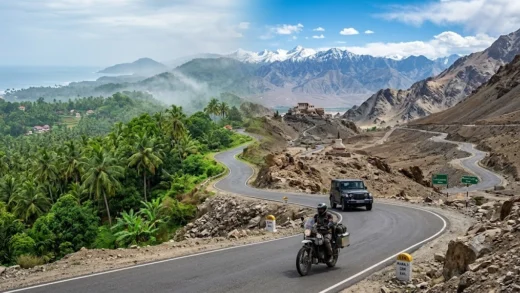
Motorcycle enthusiasts often include Spituk Monastery in their Leh sightseeing itinerary.
By Taxi
Private taxis are readily available throughout Leh and offer the most convenient transportation.
By Public Transport
Local buses and shared taxis travelling between Leh and nearby villages occasionally stop near Spituk.
Distance Chart
| Destination | Approximate Distance |
|---|---|
| Leh | 8 km |
| Nubra Valley | 125 km |
| Pangong Lake | 165 km |
| Lamayuru | 115 km |
| Kargil | 225 km |
| Alchi | 60 km |
| Diskit | 125 km |
| Hanle | 255 km |
Best Time to Visit
Summer (May–September)
Pleasant weather, clear roads, and ideal sightseeing conditions make summer the best season.
Autumn (October)
Crystal-clear skies and colourful landscapes attract photographers and nature lovers.
Winter (November–February)
Heavy snowfall transforms the monastery into a winter wonderland. The famous Gustor Festival also takes place during this season.
Spring (March–April)
Spring offers peaceful surroundings, blooming landscapes, and fewer tourists.
Nearby Attractions
After visiting Spituk Monastery, explore:
- Hall of Fame Museum
- Leh Palace
- Shanti Stupa
- Magnetic Hill
- Gurudwara Pathar Sahib
- Sangam (Indus-Zanskar Confluence)
- Stok Palace Museum
- Sindhu Ghat
- Phyang Monastery
- Basgo Monastery
Travel Tips
- Spend at least 48 hours acclimatizing in Leh before sightseeing.
- Carry warm clothing even during summer.
- Drink plenty of water.
- Wear comfortable walking shoes.
- Carry cash for donations and entry tickets.
- Respect prayer ceremonies.
- Avoid loud conversations.
- Follow photography restrictions.
- Mobile connectivity is best in Leh.
- ATMs are available only in Leh.
Lesser-Known Facts About Spituk Monastery
- “Spituk” means “Exemplary.”
- The monastery originally belonged to the Kadampa tradition.
- The fierce Goddess Kali statue is displayed only during the Gustor Festival.
- It houses several centuries-old handwritten Buddhist manuscripts.
- Some ceremonial masks used during Cham dances are over 300 years old.
- The monastery offers one of the finest aerial views of Leh Airport.
- It remains an active centre for Buddhist learning and meditation.
Why You Should Visit Spituk Monastery
Spituk Monastery combines spirituality, history, architecture, and breathtaking Himalayan scenery in one unforgettable destination. Its convenient location near Leh, remarkable Buddhist heritage, vibrant annual festivals, ancient artwork, and spectacular viewpoints make it one of the finest Monasteries in Ladakh. Whether you’re exploring Ladakh Tourism, searching for meaningful cultural experiences, or discovering the best Things to Do in Ladakh, Spituk Monastery deserves a place on your itinerary.
Frequently Asked Questions
1. Where is Spituk Monastery located?
Spituk Monastery is located in Spituk Village, approximately 8 km from Leh in Ladakh.
2. How old is Spituk Monastery?
It was founded in the 11th century and is nearly 1,000 years old.
3. Which Buddhist school does Spituk Monastery follow?
The monastery belongs to the Gelug (Yellow Hat) School of Tibetan Buddhism.
4. What is Spituk Monastery famous for?
It is famous for its ancient architecture, Gustor Festival, sacred Kali statue, Buddhist art, and panoramic Himalayan views.
5. Is there an entry fee?
Yes. A small entry fee is generally charged, though prices may change.
6. Can visitors take photographs inside the monastery?
Photography is permitted in many areas, but certain prayer halls may prohibit photography.
7. When is the best time to visit?
The best time is from May to September. January is ideal for experiencing the Gustor Festival.
8. How much time should I spend here?
Most visitors spend 1–2 hours exploring the monastery.
9. Is Spituk Monastery suitable for families?
Yes. It is suitable for families, solo travellers, photographers, and spiritual seekers.
10. Why should I include Spituk Monastery in my Ladakh itinerary?
Its rich history, active monastic life, beautiful artwork, annual festivals, and stunning Himalayan setting make it one of the most rewarding Buddhist monasteries in Ladakh.
Conclusion
Spituk Monastery is far more than a historic hilltop monastery—it is a living symbol of Ladakh’s enduring Buddhist heritage and spiritual traditions. From its ancient murals and sacred statues to its vibrant festivals and breathtaking views over the Indus Valley, every corner of the monastery reflects centuries of devotion and artistic excellence. Whether you are a history enthusiast, photographer, pilgrim, or adventure traveller, visiting Spituk Monastery offers an enriching journey into the heart of Himalayan Buddhism. No Ladakh Travel Guide is complete without experiencing the timeless beauty and peaceful atmosphere of this remarkable Buddhist monastery.