

Introduction
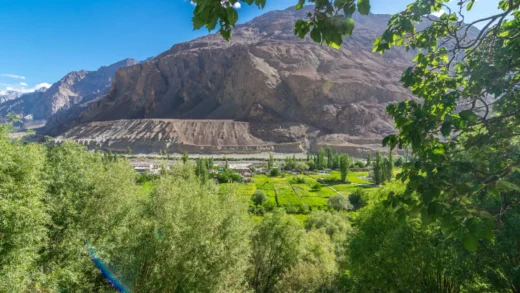
Among the hidden treasures of Ladakh, Sumda Chun Monastery remains one of the least-visited yet most historically significant Buddhist sites in the region. Nestled in a remote valley west of Leh, this ancient Buddhist Monastery in Ladakh preserves some of the finest surviving murals and artistic traditions from the early spread of Buddhism in the Western Himalayas.
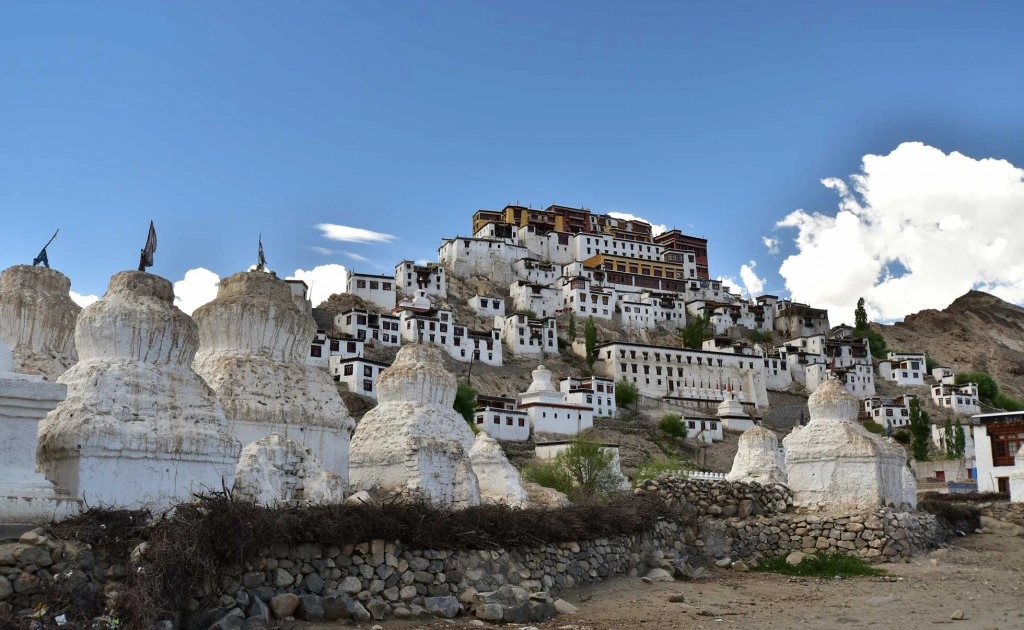
Unlike larger monasteries that attract thousands of visitors annually, Sumda Chun offers a rare opportunity to experience Ladakh’s spiritual heritage in complete tranquility. Its centuries-old artwork, isolated mountain setting, and archaeological significance make it a must-visit destination for travelers seeking authentic cultural experiences beyond the typical Ladakh Tourism circuit.
| Details | Information |
|---|---|
| Location | Sumda Chun Village, Sham Valley, Ladakh |
| District | Leh District |
| Altitude | Approx. 3,850 meters (12,630 ft) |
| Founded | 11th–12th Century CE |
| Buddhist School | Tibetan Buddhism (Drigung Kagyu influence with early Western Himalayan traditions) |
| Founder | Traditionally linked to the era of Lotsawa Rinchen Zangpo |
| Best Time to Visit | May to September |
| Entry Fee | Usually Free; donations appreciated |
| Timings | 8:00 AM – 5:00 PM (varies seasonally) |
| Photography Rules | Generally allowed outside; permission may be required inside temples |
| Nearby Attractions | Alchi, Mangyu, Lamayuru, Basgo, Likir Monastery |
| Distance from Leh | Approx. 95 km |
History of Sumda Chun Monastery
Founding History
Sumda Chun Monastery is believed to have been established during the 11th or 12th century, a period that witnessed a remarkable revival of Buddhism across Ladakh and neighboring Himalayan regions.

 6°C
6°C
- Temperature
- Rain Chance
- Wind


Founder and Lineage
The monastery is traditionally associated with the legendary translator and Buddhist scholar Lotsawa Rinchen Zangpo, whose efforts helped spread Buddhist teachings throughout Western Tibet and Ladakh. Although direct historical records remain limited, the artistic style strongly reflects the Rinchen Zangpo era.
Important Historical Events
For centuries, the monastery remained largely isolated due to its remote location. This isolation helped preserve many original artworks that disappeared from more accessible monasteries.
Modern conservation efforts by archaeologists and heritage organizations have brought international attention to Sumda Chun’s exceptional cultural value.
Role in Ladakh’s Buddhist Heritage
The monastery serves as a vital link to Ladakh’s earliest Buddhist traditions. Scholars often regard it as one of the most important surviving examples of early Himalayan Buddhist art.
Legends and Folklore
Local stories suggest divine beings assisted in constructing the temple overnight. Villagers also believe the sacred images inside possess protective powers that safeguard the valley from natural disasters and misfortune.
Architecture and Design
Exterior Architecture
The monastery blends seamlessly into the rugged mountainside. Constructed using stone, mud bricks, and timber, its simple exterior reflects traditional Himalayan architecture.
Prayer Halls
The prayer halls contain beautifully preserved wooden pillars and sacred spaces where monks conduct rituals and meditation sessions.
Ancient Murals
The greatest treasure of Sumda Chun Monastery is its extraordinary collection of murals. These paintings depict Buddhist deities, celestial beings, mandalas, and scenes from Buddhist teachings.
Thangkas
Ancient thangkas displayed during special occasions provide insight into medieval Buddhist artistic traditions.
Statues
The monastery houses statues of Buddha, Bodhisattvas, and guardian deities crafted in a style rarely found elsewhere in Ladakh.
Monastery Layout
The complex consists of:
- Main temple
- Assembly hall
- Shrine rooms
- Courtyard spaces
- Monastic quarters
- Small meditation areas
Unique Artistic Elements
The artwork displays a fascinating blend of Kashmiri, Tibetan, and Central Asian influences, making Sumda Chun a valuable cultural monument.
Restoration Efforts
Conservation projects have focused on preserving the fragile murals, stabilizing structural elements, and documenting artwork for future generations.
Religious Significance
Buddhist Traditions Practiced
The monastery follows Tibetan Buddhist traditions while preserving elements of earlier Himalayan Buddhist practices.
Important Deities
Visitors will find representations of:
- Shakyamuni Buddha
- Avalokiteshvara
- Manjushri
- Maitreya
- Vajrapani
- Various tantric deities
Spiritual Importance
Sumda Chun remains a sacred pilgrimage site for local Buddhist communities and spiritual practitioners.
Monastic Life
Although smaller than major monasteries in Ladakh, monks continue to maintain religious traditions, prayers, and ceremonies.
Daily Rituals
Daily activities typically include:
- Morning prayers
- Chanting ceremonies
- Meditation sessions
- Offering rituals
- Scriptural studies
What to See Inside the Monastery
Main Temple
The monastery’s oldest structure contains some of Ladakh’s finest medieval Buddhist artwork.
Assembly Hall
Used for religious gatherings, teachings, and festivals.
Buddha Statues
Ancient statues provide insight into early Himalayan Buddhist craftsmanship.
Murals
The monastery’s murals are its greatest attraction, featuring intricate iconography and remarkable preservation.
Libraries
Small collections of Buddhist scriptures and manuscripts are preserved within the complex.
Courtyards
The peaceful courtyards offer opportunities for reflection and photography.
Viewpoints
Surrounding hills provide panoramic views of the valley and surrounding mountains.
Sacred Relics
Visitors may occasionally view sacred relics during special ceremonies and festivals.
Festivals Celebrated at Sumda Chun Monastery
Annual Prayer Festivals
Seasonal prayer gatherings attract devotees from neighboring villages.
Buddhist Holy Days
Major Buddhist observances include celebrations connected with Buddha’s birth, enlightenment, and parinirvana.
Ritual Ceremonies
Monks perform:
- Sacred chants
- Blessing rituals
- Community prayers
- Offerings
Mask Dances
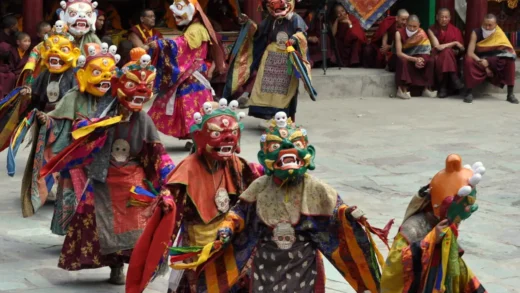
While not as elaborate as those at larger monasteries, traditional masked performances may occur during special religious events.
Cultural Importance
These festivals preserve local traditions and strengthen community bonds.
Visitor Experience
Travelers visiting during festivals can witness authentic Buddhist practices rarely seen by mainstream tourists.
Things to Do at Sumda Chun Monastery
- Explore ancient Buddhist artwork.
- Attend prayer sessions if permitted.
- Learn about Ladakh’s early Buddhist history.
- Photograph traditional architecture.
- Trek through surrounding mountain landscapes.
- Meditate in peaceful surroundings.
- Interact respectfully with local monks.
- Combine the visit with nearby monasteries in Sham Valley.
Photography Guide
Best Photo Spots
- Monastery entrance
- Courtyard
- Mountain viewpoints
- Traditional village surroundings
Sunrise Photography
Early morning light illuminates the monastery beautifully and creates dramatic mountain scenery.
Sunset Photography
Golden-hour lighting enhances the texture of ancient walls and surrounding cliffs.
Drone Regulations
Drone use typically requires permission from local authorities and monastery management.
Photography Etiquette
- Always ask before photographing monks.
- Avoid flash photography inside temples.
- Respect areas where photography is prohibited.
- Maintain silence during rituals.
How to Reach Sumda Chun Monastery
By Air
The nearest airport is Kushok Bakula Rimpochee Airport in Leh.
By Road
Drive from Leh toward Alchi and continue toward Sumda village. The final stretch may involve a short hike depending on road conditions.
By Bike
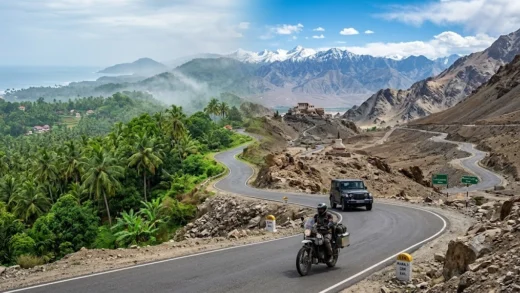
Motorcycle travelers often include Sumda Chun as part of a Sham Valley road trip.
By Taxi
Private taxis from Leh offer the most convenient option.
By Public Transport
Limited local buses operate toward villages in the region. Shared taxis are often more practical.
Distance Chart
| Destination | Distance to Sumda Chun Monastery |
|---|---|
| Leh | 95 km |
| Nubra Valley | 215 km |
| Pangong Lake | 320 km |
| Lamayuru | 40 km |
| Kargil | 135 km |
| Alchi | 20 km |
| Diskit | 215 km |
| Hanle | 350 km |
Best Time to Visit
Summer (May–August)
Advantages
- Pleasant weather
- Clear roads
- Ideal photography
Challenges
- More visitors in Ladakh overall
Autumn (September–October)
Advantages
- Crisp skies
- Excellent visibility
- Beautiful landscapes
Challenges
- Colder evenings
Winter (November–March)
Advantages
- Solitude
- Snow-covered scenery
Challenges
- Difficult road access
- Extremely cold temperatures
Spring (April)
Advantages
- Fewer tourists
- Fresh mountain scenery
Challenges
- Unpredictable weather
Nearby Attractions
Alchi Monastery
Famous for its exquisite murals and medieval Buddhist art.
Mangyu Monastery
A hidden gem preserving ancient artistic traditions.
Lamayuru Monastery
One of the oldest and most spectacular monasteries in Ladakh.
Basgo Monastery
Historic ruins and temples overlooking dramatic landscapes.
Likir Monastery
Known for its giant Maitreya Buddha statue.
Sham Valley
Popular for trekking, village walks, and cultural experiences.
Travel Tips
Acclimatization
Spend at least two days in Leh before visiting high-altitude destinations.
Clothing
Carry warm layers even during summer.
Respectful Behavior
Dress modestly and maintain silence inside prayer halls.
Donations
Small donations help support monastery maintenance.
Photography Restrictions
Always seek permission before photographing interiors.
Mobile Network
Coverage can be limited in remote villages.
ATM Availability
Withdraw cash in Leh, as ATMs are scarce in rural areas.
Lesser-Known Facts About Sumda Chun Monastery
- It preserves some of the oldest surviving Buddhist murals in Ladakh.
- The monastery remained largely unknown to international travelers until recent decades.
- Art historians consider it a masterpiece of early Western Himalayan art.
- Its remote location helped protect ancient treasures from damage.
- The artistic style reflects strong Kashmiri influences rarely seen elsewhere.
Why You Should Visit Sumda Chun Monastery
If you seek an authentic Buddhist Monastery in Ladakh away from crowds, Sumda Chun Monastery offers an unforgettable experience. Its ancient murals, spiritual atmosphere, rich history, and spectacular mountain setting make it one of the most rewarding cultural destinations in Ladakh.
For travelers interested in history, art, spirituality, and offbeat adventures, Sumda Chun represents the very essence of hidden Ladakh.
Frequently Asked Questions
1. Where is Sumda Chun Monastery located?
It is located in Sumda Chun village in the Sham Valley region of Leh District, Ladakh.
2. How far is Sumda Chun Monastery from Leh?
The monastery is approximately 95 km from Leh.
3. Who founded Sumda Chun Monastery?
It is traditionally associated with the era of Rinchen Zangpo and the Buddhist revival of the 11th century.
4. What is Sumda Chun Monastery famous for?
It is renowned for its exceptionally preserved ancient murals and Buddhist artwork.
5. Is there an entry fee?
Generally no, though donations are welcomed.
6. Can visitors photograph inside the monastery?
Photography policies vary; always seek permission before taking photographs indoors.
7. What is the best season to visit?
May through September offers the most favorable weather and road conditions.
8. Are there monks living at the monastery?
Yes, monks continue to maintain religious practices and rituals.
9. Can the monastery be visited as a day trip from Leh?
Yes, it can be visited as a day trip, although an overnight stay nearby allows a more relaxed experience.
10. Why is Sumda Chun important in Ladakh’s Buddhist history?
It preserves some of the region’s oldest artistic and religious traditions, making it a vital part of Ladakh’s Buddhist heritage.
Conclusion
Hidden among the mountains of western Ladakh, Sumda Chun Monastery stands as a remarkable testament to centuries of Buddhist devotion, artistic excellence, and cultural preservation. While many visitors focus on Ladakh’s larger monasteries, those who journey to Sumda Chun discover a quieter and more intimate connection with the region’s spiritual past. From its priceless murals and sacred statues to its breathtaking surroundings, this extraordinary monastery offers one of the most authentic experiences in any Ladakh Travel Guide. Whether you are exploring Monasteries in Ladakh, seeking meaningful Things to Do in Ladakh, or deepening your understanding of Ladakh Tourism, Sumda Chun Monastery deserves a place on your itinerary.