

Introduction
Mulbekh Monastery is one of the most fascinating monasteries in Ladakh and serves as an important spiritual landmark along the historic Leh-Kargil highway. Famous for its giant rock-carved Maitreya Buddha statue, this Buddhist Monastery in Ladakh attracts pilgrims, historians, photographers, and travelers seeking a deeper understanding of Ladakh’s rich cultural heritage.
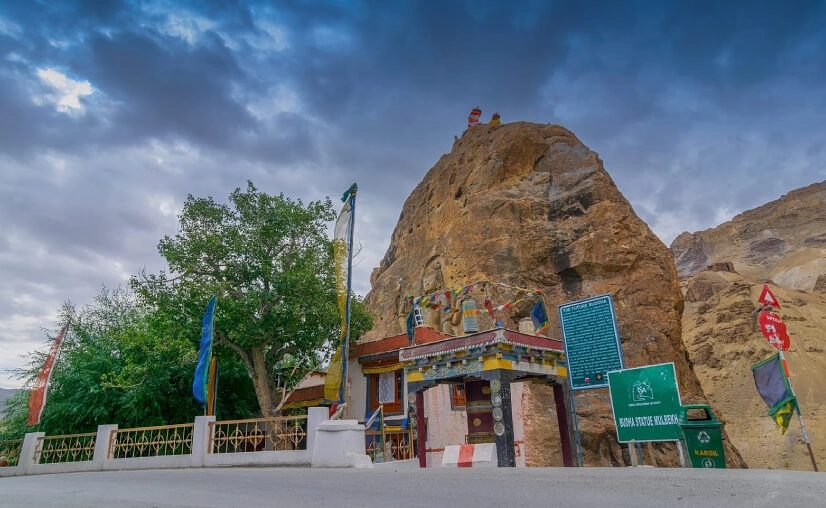
Unlike many remote monasteries hidden in mountain valleys, Mulbekh Monastery stands prominently beside the highway, making it one of the most accessible religious sites in the region. The combination of ancient Buddhist art, stunning Himalayan scenery, and centuries-old traditions makes Mulbekh Monastery a highlight of any Ladakh Travel Guide.
| Details | Information |
|---|---|
| Location | Mulbekh Village, Kargil-Leh Highway, Ladakh |
| District | Kargil District |
| Altitude | Approximately 3,304 meters (10,840 feet) |
| Founded | Around the 8th–12th century CE |
| Buddhist School | Drukpa Kagyu and Gelug traditions |
| Founder | Traditionally associated with early Buddhist teachers of Western Tibet |
| Best Time to Visit | May to September |
| Entry Fee | Usually Free (donations welcomed) |
| Timings | 7:00 AM – 6:00 PM |
| Photography Rules | Allowed in exterior areas; permission may be required inside temples |
| Nearby Attractions | Namika La Pass, Wakha Valley, Fotu La Pass, Lamayuru Monastery |
| Distance from Leh | Approximately 190 km |
History of Mulbekh Monastery
Founding History
The origins of Mulbekh Monastery remain partially shrouded in mystery. Historians believe the monastery dates back between the 8th and 12th centuries, a period when Buddhism was expanding across Western Tibet and Ladakh.

 10°C
10°C
- Temperature
- Rain Chance
- Wind

The site’s most significant feature, the enormous Maitreya Buddha carved into a rock face, is believed to predate the present monastery structures and may date to the early spread of Buddhism in the Himalayan region.
Founder and Lineage
Although no single founder is definitively identified, the monastery is linked to Buddhist teachers who traveled through Ladakh from Tibet and Kashmir. Over time, Mulbekh became associated with both the Drukpa Kagyu and Gelug traditions.
Important Historical Events
Mulbekh served as a spiritual stop for traders and pilgrims traveling along ancient trans-Himalayan trade routes connecting Kashmir, Tibet, and Central Asia.
Throughout centuries of political changes in Ladakh, the monastery remained an active center of Buddhist worship and learning.
Role in Ladakh’s Buddhist Heritage
Mulbekh Monastery represents a unique blend of Indian, Kashmiri, Tibetan, and Central Asian artistic influences. It stands as evidence of Ladakh’s historic role as a crossroads of cultures and religions.
Legends and Folklore
Local legends suggest that the giant Maitreya statue was either carved by miraculous Buddhist artisans or appeared through divine intervention. Some traditions attribute its creation to future Buddha worshippers who wished to spread peace throughout the Himalayan region.
Architecture and Design
Exterior Architecture
The monastery is built on a rocky hillside overlooking the Suru Valley region. Whitewashed walls, prayer flags, and traditional Tibetan-style structures blend seamlessly with the surrounding mountains.
Prayer Halls
The prayer halls feature traditional wooden pillars, butter lamps, sacred scriptures, and colorful religious paintings that create a serene spiritual atmosphere.
Ancient Murals
Several rooms contain ancient murals depicting Buddhist cosmology, deities, Bodhisattvas, and scenes from the life of Buddha.
Thangkas
Beautiful thangkas adorn the monastery walls during festivals and special ceremonies. These sacred paintings showcase intricate Buddhist iconography.
Statues
The most famous statue is the colossal 9-meter-tall Maitreya Buddha carved directly into a cliff face. Additional statues of Shakyamuni Buddha, Padmasambhava, and Avalokiteshvara are housed within the monastery.
Monastery Layout
The monastery consists of:
- Main prayer hall
- Meditation chambers
- Monks’ quarters
- Courtyards
- Shrines
- Viewing platforms
Unique Artistic Elements
The Maitreya Buddha displays artistic influences from both Gandharan and Tibetan traditions, making it one of the most unique Buddhist sculptures in Ladakh.
Restoration Efforts
Conservation projects have helped preserve the ancient murals, statues, and monastery structures against harsh Himalayan weather conditions.
Religious Significance
Buddhist Traditions Practiced
Mulbekh Monastery follows Tibetan Buddhist practices centered around meditation, prayer, scripture study, and ritual ceremonies.
Important Deities
Key deities worshipped include:
- Maitreya Buddha
- Shakyamuni Buddha
- Avalokiteshvara
- Guru Padmasambhava
- Mahakala
Spiritual Importance
The giant Maitreya statue symbolizes compassion and the future arrival of the next Buddha, making Mulbekh a significant pilgrimage site.
Monastic Life
Monks dedicate their lives to study, prayer, ritual performance, and community service while preserving centuries-old Buddhist traditions.
Daily Rituals
Daily rituals include:
- Morning prayers
- Chanting sessions
- Butter lamp offerings
- Scripture recitations
- Meditation practices
What to See Inside the Monastery
Main Temple
The main temple contains sacred images, prayer wheels, and richly decorated altars.
Assembly Hall
Visitors can observe the central prayer hall where monks gather for communal chanting and ceremonies.
Buddha Statues
Numerous statues of Buddhas and Bodhisattvas showcase exquisite craftsmanship.
Murals
Ancient murals reveal important aspects of Buddhist philosophy and local artistic traditions.
Libraries
The monastery preserves sacred Buddhist scriptures and religious texts.
Courtyards
Peaceful courtyards provide opportunities for quiet reflection and photography.
Viewpoints
Several vantage points offer spectacular views of the surrounding mountains and valleys.
Sacred Relics
Visitors may encounter sacred relics, ritual objects, and historical artifacts connected to Ladakh’s Buddhist heritage.
Festivals Celebrated at Mulbekh Monastery
Annual Religious Festivals
Mulbekh hosts several Buddhist celebrations throughout the year.
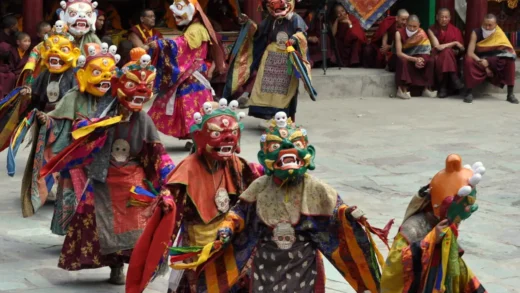
Cham Festival
- Features sacred mask dances
- Performed by monks
- Symbolizes victory of good over evil
- Attracts pilgrims and visitors
Losar (Tibetan New Year)
- Prayer ceremonies
- Community gatherings
- Traditional music and dance
- Cultural celebrations
Visitor Experience
Festival periods provide visitors with an opportunity to witness authentic Buddhist rituals, colorful costumes, and centuries-old traditions.
Things to Do at Mulbekh Monastery
- Admire the giant Maitreya Buddha statue
- Explore ancient prayer halls
- Observe Buddhist rituals
- Interact respectfully with monks
- Photograph Himalayan landscapes
- Learn about Ladakh’s Buddhist heritage
- Enjoy meditation and quiet reflection
- Visit nearby mountain passes
- Experience local Ladakhi culture
Photography Guide
Best Photo Spots
- Maitreya Buddha rock carving
- Monastery rooftops
- Prayer flag viewpoints
- Highway approach viewpoint
Sunrise Photography
Early morning light beautifully illuminates the Buddha statue and surrounding cliffs.
Sunset Photography
Golden-hour lighting enhances the dramatic mountain backdrop and monastery architecture.
Drone Regulations
Drone use often requires local administrative and security permissions. Always check current regulations before flying.
Photography Etiquette
- Ask permission before photographing monks
- Avoid flash inside temples
- Respect prayer ceremonies
- Follow monastery guidelines
How to Reach Mulbekh Monastery
By Air
The nearest airport is the Kushok Bakula Rimpochee Airport in Leh. From Leh, travelers can continue by road.
By Road
Mulbekh lies directly on the Leh-Kargil National Highway and is easily accessible by private vehicles and taxis.
By Bike
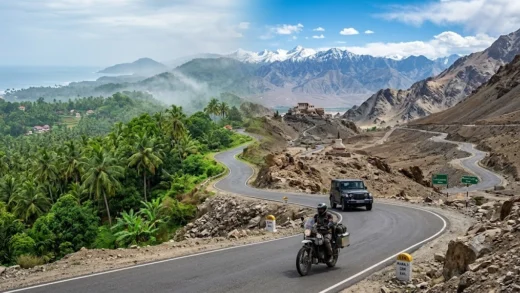
Many motorcycle travelers visiting Ladakh Tourism destinations stop at Mulbekh while traveling between Leh and Kargil.
By Taxi
Shared and private taxis regularly operate between Leh and Kargil.
By Public Transport
State and private buses running between Leh and Kargil often pass through Mulbekh village.
Distance Chart
| Destination | Distance from Mulbekh |
|---|---|
| Leh | 190 km |
| Nubra Valley | 310 km |
| Pangong Lake | 410 km |
| Lamayuru | 65 km |
| Kargil | 45 km |
| Alchi | 125 km |
| Diskit | 315 km |
| Hanle | 450 km |
Best Time to Visit
Summer (May–September)
Advantages
- Pleasant weather
- Open roads
- Excellent visibility
- Ideal for sightseeing
Challenges
- Peak tourist season
Autumn (September–October)
Advantages
- Fewer tourists
- Clear skies
- Beautiful landscapes
Challenges
- Cooler temperatures
Winter (November–March)
Advantages
- Snow-covered scenery
- Peaceful atmosphere
Challenges
- Extremely cold weather
- Possible road closures
Spring (April–May)
Advantages
- Blooming landscapes
- Moderate temperatures
Challenges
- Variable weather conditions
Nearby Attractions
Namika La Pass
A scenic high-altitude mountain pass offering breathtaking Himalayan views.
Fotu La Pass
One of the highest points on the Srinagar-Leh highway and a favorite photography stop.
Lamayuru Monastery
Among the most famous Monasteries in Ladakh, known for its lunar-like landscape.
Kargil
An important town rich in history, culture, and adventure opportunities.
Wakha Valley
A picturesque valley offering traditional Ladakhi village experiences.
Travel Tips
Acclimatization
Spend at least 24–48 hours in Leh before visiting high-altitude destinations.
Clothing
Carry warm layers even during summer due to temperature fluctuations.
Respectful Behavior
Maintain silence inside prayer halls and follow monastery customs.
Donations
Voluntary donations help support monastery maintenance and community activities.
Photography Restrictions
Always ask before photographing religious ceremonies.
Mobile Network
BSNL, Airtel, and Jio provide limited but generally usable connectivity.
ATM Availability
ATMs are available in Kargil and Leh; carry sufficient cash for smaller villages.
Lesser-Known Facts About Mulbekh Monastery
- The Maitreya statue is among the oldest Buddhist rock carvings in Ladakh.
- The sculpture reflects both Tibetan and Kashmiri artistic influences.
- Mulbekh was historically an important stop on ancient trade routes.
- Some scholars believe the statue predates the monastery itself.
- The site marks a cultural meeting point between Central Asia and the Indian subcontinent.
Why You Should Visit Mulbekh Monastery
Mulbekh Monastery offers a unique combination of history, spirituality, art, and Himalayan beauty. Unlike many remote monasteries, it is easily accessible while still preserving its authentic atmosphere. The colossal Maitreya Buddha, centuries-old murals, and stunning mountain setting make it one of the most rewarding Things to Do in Ladakh for travelers interested in culture and Buddhism.
Frequently Asked Questions
1. Where is Mulbekh Monastery located?
Mulbekh Monastery is located in Mulbekh Village along the Leh-Kargil Highway in Kargil District, Ladakh.
2. What is Mulbekh Monastery famous for?
It is famous for its giant 9-meter-tall rock-carved Maitreya Buddha statue.
3. Is there an entry fee?
Generally, entry is free, though donations are appreciated.
4. How far is Mulbekh Monastery from Leh?
The monastery is approximately 190 kilometers from Leh.
5. Which Buddhist school does the monastery belong to?
It is associated with both the Drukpa Kagyu and Gelug traditions.
6. Can visitors photograph the Buddha statue?
Yes, exterior photography is generally allowed.
7. What is the best time to visit?
May to September offers the most favorable weather and road conditions.
8. How much time is needed for a visit?
Most visitors spend 1–2 hours exploring the monastery and surrounding viewpoints.
9. Are festivals open to tourists?
Yes, respectful visitors are welcome during festival celebrations.
10. Why is Mulbekh important in Ladakh’s Buddhist heritage?
It preserves ancient Buddhist art, religious traditions, and one of Ladakh’s most significant Maitreya Buddha representations.
Conclusion
Mulbekh Monastery stands as one of Ladakh’s most remarkable spiritual treasures. Combining ancient Buddhist heritage, extraordinary rock-carved art, breathtaking mountain scenery, and living monastic traditions, it offers visitors an unforgettable glimpse into the cultural heart of the Himalayas. Whether you are exploring Ladakh Tourism attractions, seeking spiritual experiences, or discovering historic Monasteries in Ladakh, Mulbekh Monastery deserves a prominent place on your itinerary. Its timeless presence continues to inspire pilgrims and travelers alike, making every visit a meaningful journey through the rich legacy of Buddhism in Ladakh.