

Introduction
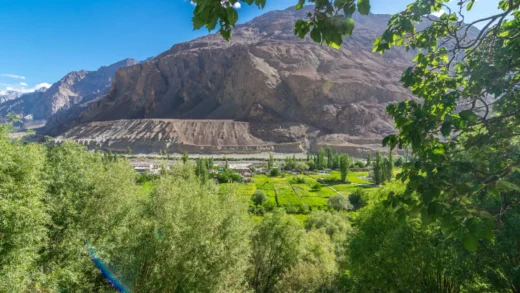
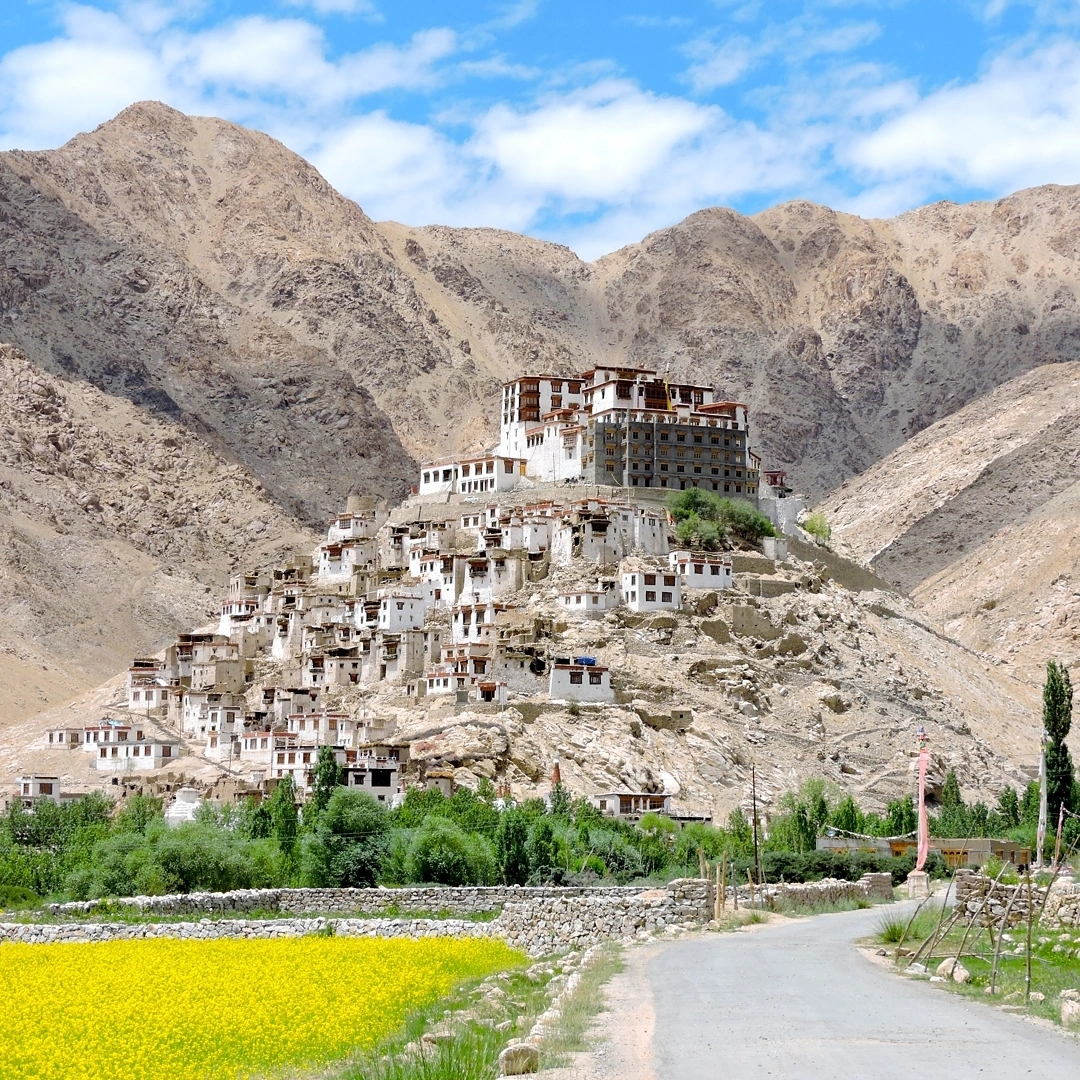
Located amidst the dramatic landscapes of eastern Ladakh, Chemrey Monastery is one of the region’s most peaceful and visually stunning Buddhist monasteries. Perched on a hill overlooking the fertile Chemrey Valley, this 17th-century monastery is known for its striking whitewashed architecture, rich Buddhist heritage, ancient murals, and magnificent statue of Guru Padmasambhava.
Although it is less crowded than many famous monasteries in Ladakh, Chemrey Monastery offers visitors an authentic spiritual experience. Whether you’re exploring Ladakh Tourism, searching for hidden cultural treasures, or creating the perfect Ladakh Travel Guide, this monastery deserves a place on your itinerary.
| Details | Information |
|---|---|
| Location | Chemrey Village, Leh District, Ladakh, India |
| District | Leh |
| Altitude | Approximately 3,700 m (12,140 ft) above sea level |
| Founded | 1664 CE |
| Buddhist School | Drukpa (Drugpa) Kagyu School |
| Founder | Lama Tagsang Raschen under the patronage of King Sengge Namgyal |
| Best Time to Visit | May to September |
| Entry Fee | ₹30–₹50 (subject to change) |
| Timings | 8:00 AM – 6:00 PM |
| Photography Rules | Photography is allowed outdoors. Permission may be required inside prayer halls. Flash photography should be avoided. |
| Nearby Attractions | Hemis Monastery, Thiksey Monastery, Stakna Monastery, Shey Palace, Pangong Lake |
| Distance from Leh | Approximately 40 km |
History of Chemrey Monastery
Founding History
Chemrey Monastery was founded in 1664 CE by the revered Buddhist master Lama Tagsang Raschen. The monastery was established under the royal patronage of King Sengge Namgyal, whose reign marked one of the golden eras of Buddhist architecture and religious development in Ladakh.

 6°C
6°C
- Temperature
- Rain Chance
- Wind


Founder and Lineage
Lama Tagsang Raschen belonged to the Drukpa Kagyu School of Tibetan Buddhism. He played an important role in spreading Buddhist teachings across Ladakh and establishing monasteries that remain active today.
Important Historical Events
Over the centuries, Chemrey Monastery has remained an important center of Buddhist education and meditation. Despite Ladakh experiencing political and regional changes, the monastery has preserved its traditions, priceless murals, sacred scriptures, and artistic heritage remarkably well.
Role in Ladakh’s Buddhist Heritage
Chemrey Monastery continues to serve as an active religious institution where monks preserve ancient Buddhist rituals, conduct religious ceremonies, and educate young novices in Buddhist philosophy and meditation.
Legends and Folklore
According to local beliefs, the monastery was built on a spiritually blessed hill chosen after Buddhist masters experienced divine visions during meditation. Many locals believe the surrounding mountains protect the monastery with sacred energy.
Architecture and Design
Chemrey Monastery is an excellent example of traditional Ladakhi Buddhist architecture, harmoniously blending with the rugged Himalayan landscape.
Exterior Architecture
The monastery consists of cascading white buildings built into the hillside, crowned with red-painted temple roofs and golden finials. Prayer flags flutter across the complex, adding vibrant colors against the stark mountain backdrop.
Prayer Halls
The main prayer hall (Dukhang) features beautifully carved wooden pillars, colorful prayer cushions, ancient scriptures, ceremonial drums, and traditional Buddhist decorations.
Ancient Murals
Its centuries-old murals depict:
- Buddha Shakyamuni
- Guru Padmasambhava
- Avalokiteshvara
- Mahakala
- Various Bodhisattvas
- Buddhist cosmology
These murals remain remarkably vibrant despite their age.
Thangkas
The monastery houses exquisite hand-painted thangkas portraying Buddhist deities, sacred mandalas, and important events from Tibetan Buddhist history.
Statues
One of the monastery’s greatest treasures is its impressive statue of Guru Padmasambhava, along with statues of Buddha Shakyamuni, Maitreya Buddha, and several protector deities.
Monastery Layout
The complex includes:
- Main temple
- Assembly hall
- Residential quarters
- Meditation rooms
- Library
- Courtyards
- Prayer wheel chambers
- Storage rooms
Unique Artistic Elements
Visitors will notice intricate wood carvings, painted ceilings, decorative windows, colorful prayer wheels, and beautifully crafted Buddhist symbols throughout the monastery.
Restoration Efforts
Regular conservation work helps preserve the monastery’s murals, statues, ancient manuscripts, and historic structures while maintaining their original appearance.
Religious Significance
Chemrey Monastery is one of the important centers of the Drukpa Kagyu tradition in Ladakh.
Buddhist Traditions Practiced
The monastery follows traditional Tibetan Buddhist practices including:
- Daily chanting
- Meditation
- Scriptural studies
- Ritual offerings
- Prayer ceremonies
Important Deities
Major deities worshipped include:
- Buddha Shakyamuni
- Guru Padmasambhava
- Avalokiteshvara
- Green Tara
- Mahakala
- Various Dharma Protectors
Spiritual Importance
The monastery serves as a peaceful meditation center where monks continue centuries-old Buddhist teachings while welcoming pilgrims seeking blessings and spiritual guidance.
Monastic Life
Resident monks spend their days studying Buddhist philosophy, performing rituals, teaching younger monks, maintaining the monastery, and practicing meditation.
Daily Rituals
Visitors may witness:
- Morning chanting
- Butter lamp offerings
- Prayer wheel rituals
- Monastic debates
- Evening prayers
What to See Inside Chemrey Monastery
Main Temple
The beautifully decorated temple features sacred Buddhist artwork, colorful decorations, and magnificent statues.
Assembly Hall
The Dukhang is the spiritual heart of the monastery where daily prayers and festival ceremonies are conducted.
Buddha Statues
Highlights include:
- Giant Guru Padmasambhava statue
- Buddha Shakyamuni
- Maitreya Buddha
- Bodhisattva statues
Ancient Murals
Every wall tells a story through vibrant Buddhist paintings illustrating teachings, legends, and cosmology.
Library
The monastery preserves rare handwritten Buddhist manuscripts and sacred scriptures that have been protected for generations.
Courtyards
Quiet courtyards provide visitors with peaceful places to relax while observing the daily lives of monks.
Scenic Viewpoints
The monastery offers breathtaking panoramic views of:
- Chemrey Valley
- Indus Valley
- Snow-covered Himalayan peaks
- Traditional Ladakhi villages
Sacred Relics
Visitors may also see ceremonial masks, ritual instruments, prayer wheels, and sacred relics displayed during religious festivals.
Festivals Celebrated at Chemrey Monastery
The monastery is best known for the annual Chemrey Angchok Festival, held according to the Tibetan lunar calendar, usually in November.
Festival Highlights
- Sacred Buddhist prayers
- Religious processions
- Ritual offerings
- Traditional music
- Blessing ceremonies
Mask Dances (Cham)
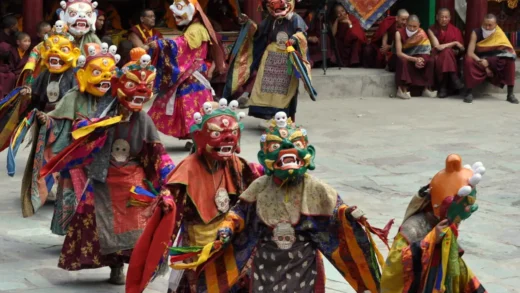
Monks perform colorful Cham dances wearing elaborate masks representing Buddhist deities and protector spirits. These dances symbolize the victory of wisdom over ignorance.
Cultural Importance
The festival preserves Ladakh’s centuries-old Buddhist traditions while strengthening community bonds and passing spiritual teachings to younger generations.
Visitor Experience
Visitors can enjoy vibrant ceremonies, traditional costumes, photography opportunities, local cultural performances, and authentic Ladakhi hospitality.
Things to Do at Chemrey Monastery
- Explore the ancient monastery.
- Admire centuries-old murals.
- Attend morning prayer ceremonies.
- Enjoy peaceful meditation.
- Meet resident monks respectfully.
- Photograph the monastery against Himalayan scenery.
- Visit during the Chemrey Festival.
- Learn about Tibetan Buddhism.
- Explore nearby villages.
- Include Chemrey in a monastery circuit across Ladakh.
Photography Guide
Best Photo Spots
- Main entrance
- Hilltop viewpoint
- Prayer flag terraces
- Main courtyard
- Valley overlook
Sunrise Photography
Morning sunlight beautifully illuminates the monastery and surrounding mountains with soft golden colors.
Sunset Photography
Late afternoon provides dramatic shadows, warm lighting, and spectacular panoramic views.
Drone Regulations
Drone flying is generally restricted around monasteries and military-sensitive areas in Ladakh. Always obtain official permission before operating a drone.
Photography Etiquette
- Ask permission before photographing monks.
- Avoid flash photography inside temples.
- Respect restricted areas.
- Maintain silence during religious ceremonies.
- Follow instructions from monastery staff.
How to Reach Chemrey Monastery
By Air
The nearest airport is Kushok Bakula Rimpochee Airport in Leh. From the airport, Chemrey Monastery is approximately one hour by road.
By Road
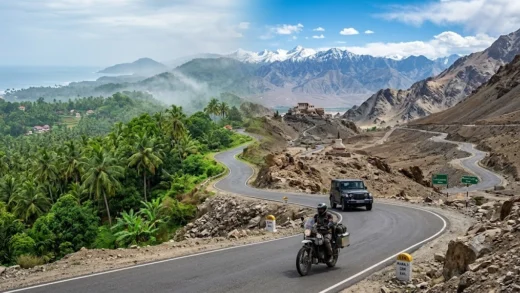
Chemrey is well connected to Leh via Karu through smooth mountain roads suitable for cars and motorcycles.
By Bike
Many travelers include Chemrey Monastery while riding toward Pangong Lake. The scenic journey is ideal for motorcycling enthusiasts.
By Taxi
Private taxis are easily available in Leh for half-day or full-day monastery tours.
By Public Transport
Limited local buses operate toward nearby villages, but hiring a taxi remains the most convenient option.
Distance Chart
| Destination | Approximate Distance |
|---|---|
| Leh | 40 km |
| Nubra Valley | 165 km |
| Pangong Lake | 150 km |
| Lamayuru | 165 km |
| Kargil | 260 km |
| Alchi | 105 km |
| Diskit | 160 km |
| Hanle | 255 km |
Best Time to Visit
Summer (May–September)
Summer is the best season to visit Chemrey Monastery due to pleasant temperatures, open roads, and excellent sightseeing opportunities.
Autumn (October)
Autumn offers clear skies, colorful landscapes, and fewer tourists, making it ideal for photography.
Winter (November–March)
Snow transforms the monastery into a magical destination, although temperatures become extremely cold and some roads may be challenging.
Spring (April)
Spring brings blooming valleys, mild weather, and quieter surroundings before the peak tourist season begins.
Nearby Attractions
Several popular destinations can easily be combined with a visit to Chemrey Monastery.
- Hemis Monastery
- Thiksey Monastery
- Stakna Monastery
- Shey Palace
- Sindhu Ghat
- Pangong Lake
- Karu Village
- Indus River viewpoints
Travel Tips
- Spend at least 48 hours acclimatizing in Leh.
- Carry warm clothing throughout the year.
- Wear comfortable walking shoes.
- Stay hydrated due to the high altitude.
- Dress modestly inside the monastery.
- Make donations respectfully if you wish to support the monastery.
- Check photography rules before entering prayer halls.
- Mobile network coverage may be limited.
- Withdraw cash in Leh, as ATMs are unavailable near the monastery.
- Visit early in the morning for peaceful exploration and better photography.
Lesser-Known Facts About Chemrey Monastery
- Chemrey Monastery houses one of Ladakh’s largest statues of Guru Padmasambhava.
- It is among the quieter monasteries in Ladakh, offering a peaceful spiritual atmosphere.
- The monastery preserves rare handwritten Buddhist scriptures.
- Chemrey Festival attracts devotees from villages across eastern Ladakh.
- The hilltop location offers panoramic views of the Indus Valley.
- Many of its original murals remain exceptionally well preserved.
Why You Should Visit Chemrey Monastery
Chemrey Monastery combines spirituality, history, architecture, and breathtaking Himalayan scenery into one unforgettable destination. Unlike some of Ladakh’s busier monasteries, Chemrey provides visitors with a peaceful environment where they can truly appreciate Buddhist culture and monastic life. Whether you’re interested in photography, history, meditation, or exploring the finest monasteries in Ladakh, Chemrey Monastery offers an authentic experience that perfectly captures the essence of Ladakh Tourism.
Frequently Asked Questions
1. Where is Chemrey Monastery located?
Chemrey Monastery is located in Chemrey Village, around 40 km southeast of Leh in Ladakh.
2. Who founded Chemrey Monastery?
It was founded by Lama Tagsang Raschen in 1664 under the patronage of King Sengge Namgyal.
3. Which Buddhist school does Chemrey Monastery belong to?
The monastery belongs to the Drukpa Kagyu School of Tibetan Buddhism.
4. What is Chemrey Monastery famous for?
It is famous for its giant Guru Padmasambhava statue, beautiful murals, annual Chemrey Festival, and peaceful hilltop setting.
5. Is there an entry fee?
Yes. Visitors generally pay an entry fee of approximately ₹30–₹50, although prices may change.
6. Can visitors take photographs inside the monastery?
Outdoor photography is usually allowed, while indoor photography may require permission or an additional fee.
7. How much time should I spend at Chemrey Monastery?
Most visitors spend between one and two hours exploring the monastery.
8. When is the best time to visit?
May to September offers the best weather, clear roads, and comfortable sightseeing conditions.
9. Is Chemrey Monastery suitable for families?
Yes. Families, photographers, pilgrims, and history enthusiasts will all enjoy visiting the monastery.
10. Can Chemrey Monastery be combined with other attractions?
Yes. Many travelers combine Chemrey with Hemis Monastery, Thiksey Monastery, Stakna Monastery, Shey Palace, and Pangong Lake.
Conclusion
Hidden among the majestic mountains of eastern Ladakh, Chemrey Monastery is a timeless sanctuary that beautifully preserves the region’s spiritual and cultural heritage. Its fascinating history, magnificent Buddhist architecture, priceless murals, sacred festivals, and breathtaking Himalayan views make it one of the finest Buddhist monasteries in Ladakh. Whether you are planning your first Ladakh adventure or returning to discover lesser-known treasures, Chemrey Monastery offers an unforgettable experience filled with peace, history, and inspiration. Add this remarkable destination to your Ladakh Travel Guide and experience one of the most authentic and serene Things to Do in Ladakh.