
Introduction
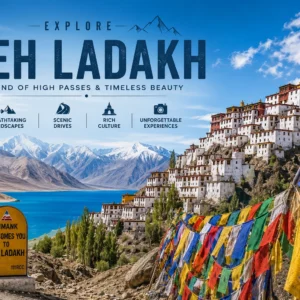
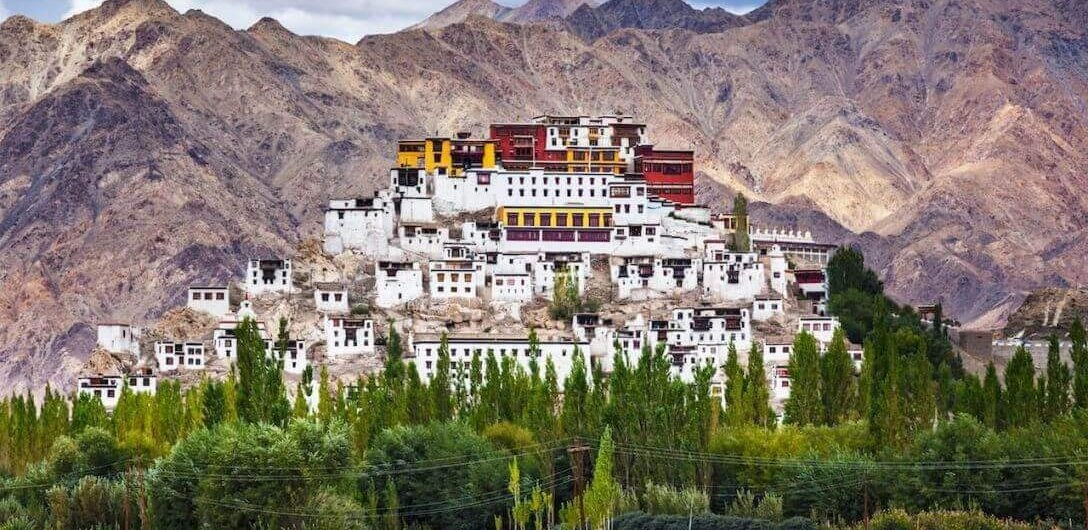
Perched atop a picturesque hill overlooking the lush Indus Valley, Thiksey Monastery is one of the most spectacular monasteries in Ladakh. Often referred to as the “Mini Potala Palace” because of its striking resemblance to Tibet’s Potala Palace, the monastery is a symbol of Ladakh’s rich Buddhist heritage. Its whitewashed buildings cascading down the hillside, colourful prayer flags fluttering in the Himalayan breeze, and panoramic mountain views make it one of the most photographed destinations in the region.
As one of the largest and most important Buddhist monasteries in Ladakh, Thiksey attracts thousands of pilgrims, photographers, and travellers every year. Visitors come to admire its magnificent Maitreya Buddha statue, centuries-old murals, sacred temples, and peaceful atmosphere. Whether you are planning your first Ladakh Travel Guide or looking for unforgettable Things to Do in Ladakh, Thiksey Monastery deserves a prominent place on your itinerary
| Details | Information |
|---|---|
| Location | Thiksey Village, Leh District, Ladakh, India |
| District | Leh |
| Altitude | Approximately 3,600 metres (11,800 feet) |
| Founded | Around 1433 AD |
| Buddhist School | Gelug (Yellow Hat) School |
| Founder | Sherab Zangpo |
| Best Time to Visit | May to September |
| Entry Fee | ₹50–₹100 (subject to change) |
| Timings | 7:00 AM – 7:00 PM |
| Photography Rules | Photography is allowed in most outdoor areas. Some prayer halls may require permission. Flash photography is discouraged. |
| Nearby Attractions | Shey Palace, Hemis Monastery, Stok Palace, Sindhu Ghat, Rancho School |
| Distance from Leh | Approximately 19 km |
History of Thiksey Monastery
Thiksey Monastery was established during the 15th century by Sherab Zangpo, a devoted disciple of the renowned Tibetan Buddhist master Je Tsongkhapa, founder of the Gelug School. The monastery was initially founded at Stakmo before being relocated to its present hilltop location after monks interpreted auspicious signs indicating that the site was spiritually blessed.

 6°C
6°C
- Temperature
- Rain Chance
- Wind


Since its establishment around 1433 AD, the monastery has grown into one of the largest Gelug institutions in Ladakh. Throughout its long history, it has served as a centre of Buddhist education, meditation, and religious scholarship. Generations of monks have preserved sacred scriptures, ancient paintings, ritual objects, and philosophical teachings that continue to shape Ladakh’s spiritual identity.
One of the monastery’s most significant milestones came in 1970, when the enormous two-storey Maitreya Buddha statue was built to commemorate the visit of His Holiness the 14th Dalai Lama. Today, Thiksey remains an active monastery where traditional Buddhist practices continue uninterrupted.
Local folklore also tells of miraculous events that guided the monks to the monastery’s present location. It is believed that sacred omens indicated the hill was protected by guardian deities, making it an ideal place for spiritual practice.
Architecture and Design
Thiksey Monastery is considered one of the finest architectural masterpieces in Ladakh. Built on twelve ascending levels, the monastery blends seamlessly with the rugged mountainside, creating a spectacular visual effect.
Its whitewashed residential buildings are interspersed with red temple structures, golden rooftops, prayer wheels, and colourful prayer flags. Narrow stone pathways connect various temples, courtyards, libraries, meditation rooms, monk residences, and assembly halls.
Inside the monastery, visitors will discover beautifully decorated prayer halls supported by carved wooden pillars and adorned with vibrant murals depicting scenes from the life of Buddha, Bodhisattvas, mandalas, and Buddhist cosmology.
The monastery also houses priceless thangkas, handcrafted statues, ancient manuscripts, ceremonial masks, butter lamps, and ritual objects that reflect centuries of Tibetan Buddhist artistry.
The highlight is undoubtedly the magnificent 15-metre-high Maitreya Buddha, one of the tallest seated Buddha statues in Ladakh, occupying two storeys of the monastery. Regular conservation work ensures that these invaluable artistic treasures remain preserved despite the harsh Himalayan climate.
Religious Significance
Thiksey Monastery is an active centre of Tibetan Buddhism belonging to the Gelug School, also known as the Yellow Hat tradition. It serves as both a place of worship and a monastery where monks receive education in Buddhist philosophy, debate, meditation, and ritual practices.
Daily life begins before sunrise with prayers, chanting, and offerings. Throughout the day, monks study ancient scriptures, perform religious ceremonies, and continue traditions that have remained unchanged for centuries.
The monastery is dedicated to several important Buddhist figures, including Maitreya Buddha, Shakyamuni Buddha, Avalokiteshvara, Tara, Padmasambhava, and Je Tsongkhapa. Pilgrims visit throughout the year to seek blessings, spin prayer wheels, light butter lamps, and experience the peaceful spiritual atmosphere.
What to See Inside Thiksey Monastery
Visitors can spend several hours exploring the monastery’s remarkable collection of temples, artwork, and viewpoints.
The Main Temple showcases intricate Buddhist artwork and sacred statues that demonstrate the exceptional craftsmanship of Himalayan artists.
The Assembly Hall (Dukhang) is where monks gather daily for prayer ceremonies accompanied by traditional horns, drums, and chanting.
The magnificent Maitreya Buddha Statue rises nearly 15 metres high and remains the monastery’s most iconic attraction.
The monastery’s ancient Murals vividly illustrate Buddhist philosophy, historical events, and symbolic teachings through colourful paintings that have survived for centuries.
Its Library preserves rare handwritten manuscripts, sacred Buddhist texts, and historical records.
Several peaceful Courtyards provide excellent opportunities to observe monks going about their daily routines.
The rooftop Viewpoints offer breathtaking panoramic views of the Indus Valley, surrounding villages, agricultural fields, and snow-covered Himalayan peaks.
Visitors can also admire numerous Sacred Relics, prayer wheels, ceremonial masks, ritual instruments, and ancient statues preserved throughout the monastery.
Festivals Celebrated at Thiksey Monastery
The most important celebration at Thiksey Monastery is the Thiksey Gustor Festival, usually held in October or November according to the Tibetan lunar calendar.
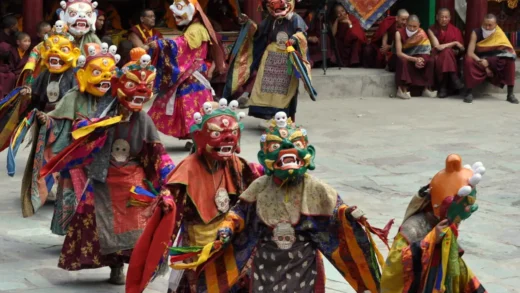
This colourful two-day festival features spectacular Cham mask dances performed by monks wearing elaborate costumes representing protector deities. The ritual dances symbolise the victory of good over evil while blessing the land and its people.
Visitors can also witness prayer ceremonies, traditional music performances, sacred rituals, and community celebrations that provide a fascinating insight into Ladakh’s living Buddhist culture.
Things to Do at Thiksey Monastery
Visiting Thiksey Monastery offers much more than sightseeing.
- Attend the peaceful early morning prayer ceremony.
- Admire the giant Maitreya Buddha statue.
- Explore centuries-old temples and shrines.
- Photograph the stunning Himalayan landscapes.
- Observe monks performing daily rituals.
- Visit the monastery museum and library.
- Spin traditional prayer wheels.
- Meditate in the peaceful courtyards.
- Shop for Buddhist souvenirs and handicrafts.
- Enjoy panoramic views of the Indus Valley.
Photography Guide
Thiksey Monastery is one of the most photogenic destinations in Ladakh.
The monastery entrance, rooftop terraces, courtyards, and surrounding viewpoints offer spectacular photography opportunities. Sunrise is particularly magical as golden sunlight illuminates the monastery against the backdrop of the Himalayas. Sunset also provides warm lighting for landscape photography.
Drone photography is generally prohibited unless official permission has been obtained from local authorities and monastery management.
Visitors should always avoid using flash inside temples, respect monks during prayer ceremonies, and seek permission before photographing individuals.
How to Reach Thiksey Monastery
By Air
The nearest airport is Kushok Bakula Rimpochee Airport in Leh, located approximately 20 kilometres away. Taxis are readily available from the airport.
By Road
Thiksey Monastery lies along the Leh–Manali Highway and is connected by well-maintained roads throughout the tourist season.
By Bike
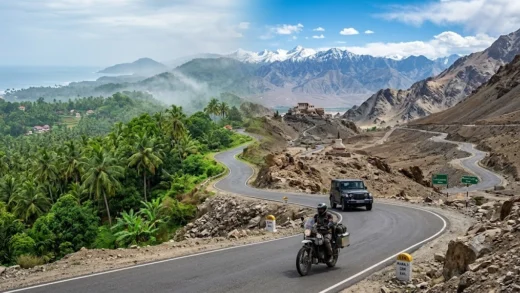
Motorcycling from Leh to Thiksey is one of the most scenic short rides in Ladakh, taking around 30 minutes.
By Taxi
Private taxis and shared cabs operate daily between Leh and Thiksey Village.
By Public Transport
Local buses travelling between Leh and nearby villages stop near Thiksey, although services are limited.
Distance Chart
| Destination | Distance |
|---|---|
| Leh | 19 km |
| Nubra Valley | 140 km |
| Pangong Lake | 165 km |
| Lamayuru | 135 km |
| Kargil | 220 km |
| Alchi | 70 km |
| Diskit | 135 km |
| Hanle | 255 km |
Best Time to Visit
Summer (May to June)
Summer offers comfortable temperatures, clear skies, and ideal road conditions. It is the best season for sightseeing, photography, and monastery visits.
Autumn (September to October)
Autumn brings golden landscapes, pleasant weather, and fewer crowds. It is also the season for the famous Thiksey Gustor Festival.
Winter (November to February)
Winter transforms the monastery into a snow-covered wonderland. Although temperatures can drop below freezing, the peaceful atmosphere makes it attractive for photographers.
Spring (March to April)
Spring brings blooming trees, melting snow, and pleasant weather. Tourist crowds remain relatively low during this period.
Nearby Attractions
Several famous attractions can easily be combined with a visit to Thiksey Monastery.
Shey Palace is the former summer residence of Ladakh’s royal family and features a giant copper Buddha statue.
Hemis Monastery is Ladakh’s wealthiest monastery and hosts the famous Hemis Festival.
Stok Palace Museum offers fascinating insights into Ladakh’s royal heritage.
Sindhu Ghat is a peaceful riverside destination along the sacred Indus River.
Druk Padma Karpo School, popularly known as Rancho School from the Bollywood film 3 Idiots, is another popular stop nearby.
Travel Tips
Visitors should spend at least one or two days acclimatising in Leh before visiting Thiksey Monastery due to the high altitude.
Carry warm clothing throughout the year, as temperatures can change rapidly.
Dress modestly when entering temples and prayer halls.
Speak quietly and avoid disturbing monks during religious ceremonies.
Photography restrictions may apply inside certain temples.
Mobile network coverage is generally available, although internet speeds may vary.
ATMs and fuel stations are easily available in Leh but are limited near the monastery.
Lesser-Known Facts About Thiksey Monastery
- Thiksey Monastery has twelve interconnected levels.
- It houses one of the tallest seated Maitreya Buddha statues in Ladakh.
- The monastery closely resembles Tibet’s Potala Palace.
- Morning prayer ceremonies are open to visitors.
- Several rare handwritten Buddhist manuscripts are preserved in its library.
- The monastery has an associated nunnery.
- Butter tea is occasionally served to visitors attending early morning prayers.
- The rooftop provides one of the finest sunrise viewpoints in Ladakh.
Why You Should Visit Thiksey Monastery
Thiksey Monastery is much more than a tourist attraction. It is a living centre of Buddhist spirituality where centuries-old traditions continue to thrive. From its spectacular architecture and giant Maitreya Buddha to its vibrant festivals, peaceful monasteries, and breathtaking Himalayan scenery, every corner offers a unique experience. Whether you are interested in history, religion, photography, or cultural exploration, Thiksey Monastery promises an unforgettable journey into the heart of Ladakh’s spiritual heritage.
Frequently Asked Questions
What is Thiksey Monastery famous for?
It is famous for its magnificent hilltop architecture, giant Maitreya Buddha statue, and status as one of the largest Gelug monasteries in Ladakh.
How far is Thiksey Monastery from Leh?
The monastery is located approximately 19 kilometres southeast of Leh.
What is the best time to visit Thiksey Monastery?
The ideal time is from May to September when roads remain open and weather conditions are pleasant.
Is there an entry fee?
Yes. Visitors are generally required to pay a nominal entrance fee, which may vary.
Can tourists attend morning prayers?
Yes. Visitors are welcome to attend the monastery’s peaceful morning prayer ceremony while maintaining silence and respect.
How much time should I spend at Thiksey Monastery?
Most visitors spend two to three hours exploring the monastery and enjoying its viewpoints.
Is photography allowed inside the monastery?
Photography is permitted in many areas, but some prayer halls may restrict photography or require permission.
Which festival is celebrated at Thiksey Monastery?
The Thiksey Gustor Festival is the monastery’s most important annual celebration.
Is Thiksey Monastery suitable for families?
Yes. The monastery is suitable for visitors of all ages and offers cultural, historical, and scenic experiences.
Can I visit Thiksey Monastery on a day trip from Leh?
Yes. Its close proximity makes it one of the most popular half-day excursions from Leh.
Conclusion
Among all the Monasteries in Ladakh, Thiksey Monastery stands out as one of the region’s most remarkable cultural and spiritual landmarks. Its centuries-old Buddhist traditions, magnificent architecture, priceless artwork, giant Maitreya Buddha, and breathtaking views of the Indus Valley create an unforgettable travel experience. Whether you are following a comprehensive Ladakh Travel Guide, exploring the best Things to Do in Ladakh, or seeking a deeper understanding of Himalayan Buddhism, Thiksey Monastery offers an inspiring journey into the soul of Ladakh Tourism. It is a destination that beautifully combines history, spirituality, and natural beauty, leaving every visitor with lasting memories of this extraordinary Himalayan sanctuary.