

Introduction
Standing majestically above the surreal Moonland landscape, Lamayuru Monastery is one of the oldest and most spectacular Buddhist monasteries in Ladakh. Located along the historic Leh–Kargil Highway, the monastery is famous for its dramatic hilltop setting, centuries-old Buddhist traditions, and fascinating legends that have been passed down through generations.
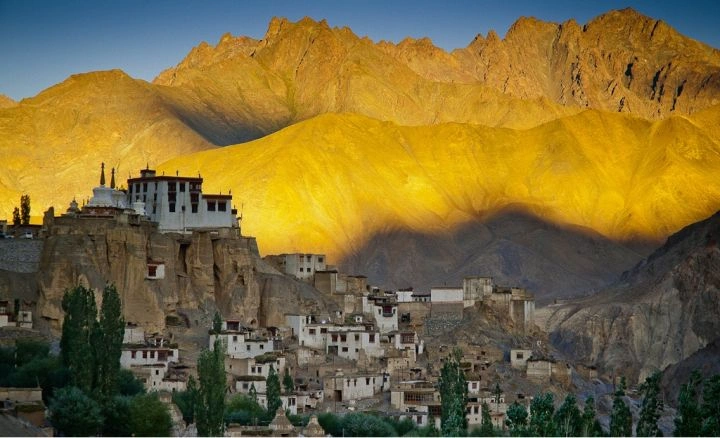
Often called the “Moonland Monastery,” Lamayuru offers visitors an unforgettable combination of spirituality, history, architecture, and breathtaking Himalayan scenery. Whether you are a pilgrim, photographer, or adventure traveller exploring Ladakh, this monastery is a destination that should not be missed.
| Details | Information |
|---|---|
| Location | Lamayuru Village, Leh–Kargil Highway (NH-1), Ladakh, India |
| District | Kargil District |
| Altitude | Approximately 3,510 metres (11,520 feet) above sea level |
| Founded | Around the 10th century CE |
| Buddhist School | Drikung Kagyu School of Tibetan Buddhism |
| Founder | Traditionally attributed to Mahasiddha Naropa; later developed by Rinchen Zangpo |
| Best Time to Visit | May to September |
| Entry Fee | ₹30–₹50 per person (subject to change) |
| Timings | 7:00 AM – 6:00 PM |
| Photography Rules | Photography is allowed outdoors. Permission may be required inside temples, and flash photography is discouraged. |
| Nearby Attractions | Moonland Landscape, Alchi Monastery, Wanla Village, Basgo Monastery, Khaltse |
| Distance from Leh | Approximately 120 km |
History of Lamayuru Monastery
Founding History
Lamayuru Monastery dates back to the 10th century and is regarded as one of the earliest Buddhist monasteries established in Ladakh. According to Buddhist tradition, the region was once covered by a vast lake until the great Indian Buddhist master Mahasiddha Naropa drained it through his spiritual powers, making the land suitable for a monastery.

 6°C
6°C
- Temperature
- Rain Chance
- Wind


Founder and Lineage
Although Naropa is associated with the legendary origins of Lamayuru, the monastery was later expanded by the renowned Buddhist translator Rinchen Zangpo, who played a major role in introducing Buddhism throughout Ladakh and western Tibet.
Today, Lamayuru belongs to the Drikung Kagyu lineage of Tibetan Buddhism and continues to serve as an active centre for Buddhist learning.
Important Historical Events
Over nearly one thousand years, Lamayuru Monastery has witnessed numerous historical developments. It has survived regional conflicts, political changes, and harsh Himalayan weather while preserving its spiritual traditions. The monastery gradually expanded with new temples, prayer halls, residential quarters, and sacred shrines.
Role in Ladakh’s Buddhist Heritage
Lamayuru has long served as a major centre for Buddhist education and meditation. Generations of monks have studied Buddhist philosophy, tantra, and ritual practices here, helping preserve Ladakh’s religious and cultural heritage.
Legends and Folklore
The monastery’s most famous legend tells of Naropa meditating beside a sacred lake. Through miraculous powers, he caused the lake to disappear, leaving behind the unusual yellow rock formations that visitors now know as the Moonland Landscape. Many locals still consider this landscape sacred.
Architecture and Design
Lamayuru Monastery beautifully blends traditional Tibetan architecture with Ladakh’s rugged mountain terrain.
Exterior Architecture
The monastery consists of whitewashed buildings constructed from stone and mud bricks. The structures rise in layers along the mountainside, creating one of the most recognizable monastery skylines in Ladakh. Colourful prayer flags flutter across rooftops, adding vibrant contrast to the barren mountains.
Prayer Halls
The assembly halls feature beautifully carved wooden pillars, richly decorated ceilings, rows of prayer cushions, butter lamps, and ancient scriptures. These halls remain the spiritual centre of daily monastic life.
Ancient Murals
Many walls are adorned with centuries-old murals illustrating scenes from Buddhist teachings, guardian deities, mandalas, and stories from the life of Buddha.
Thangkas
The monastery preserves several rare thangkas, including ancient silk paintings that are displayed during major festivals and special religious ceremonies.
Statues
Visitors can admire impressive statues of:
- Shakyamuni Buddha
- Guru Padmasambhava
- Maitreya Buddha
- Avalokiteshvara (Chenrezig)
- Mahakala
Monastery Layout
The complex includes:
- Main temple
- Assembly halls
- Residential quarters
- Meditation rooms
- Courtyards
- Prayer wheel corridors
- Libraries
- Stupas
Unique Artistic Elements
Traditional Tibetan wood carvings, colourful ceiling paintings, clay sculptures, antique manuscripts, and beautifully painted windows make Lamayuru one of Ladakh’s finest artistic treasures.
Restoration Efforts
Conservation projects have been undertaken over recent decades to preserve the monastery’s murals, statues, wooden structures, and invaluable religious manuscripts while maintaining its original architectural style.
Religious Significance
Lamayuru Monastery continues to be one of the most important spiritual centres in Ladakh.
Buddhist Traditions Practiced
The monastery follows the teachings of the Drikung Kagyu tradition, emphasizing meditation, chanting, Buddhist philosophy, tantric rituals, and compassion.
Important Deities
The monastery is dedicated to several revered Buddhist figures including Shakyamuni Buddha, Guru Padmasambhava, Avalokiteshvara, Tara, and Mahakala.
Spiritual Importance
Thousands of pilgrims visit Lamayuru each year to receive blessings, attend ceremonies, and deepen their understanding of Tibetan Buddhism.
Monastic Life
Around 150 monks reside at Lamayuru Monastery. Their daily lives revolve around prayer, study, meditation, religious education, and maintaining centuries-old traditions.
Daily Rituals
Visitors may witness:
- Early morning chanting
- Prayer wheel rituals
- Scripture recitations
- Butter lamp offerings
- Evening meditation sessions
What to See Inside Lamayuru Monastery
Main Temple
The oldest section of the monastery houses sacred Buddha statues, ancient relics, and beautiful religious decorations.
Assembly Hall
This magnificent hall is where monks gather for communal prayers accompanied by traditional horns, cymbals, and drums.
Buddha Statues
Large statues of Buddha, Padmasambhava, and other deities dominate several prayer halls.
Ancient Murals
Intricate murals depicting Buddhist cosmology and sacred teachings cover many temple walls.
Library
The monastery’s library preserves centuries-old Buddhist manuscripts written in Tibetan script.
Courtyards
Peaceful courtyards provide beautiful spaces for reflection while offering panoramic mountain views.
Scenic Viewpoints
The monastery overlooks the famous Moonland Landscape, making it one of the best photography locations in Ladakh.
Sacred Relics
Visitors can view ancient ritual objects, sacred scriptures, ceremonial masks, and other treasured artefacts.
Festivals Celebrated at Lamayuru Monastery
Yuru Kabgyat Festival
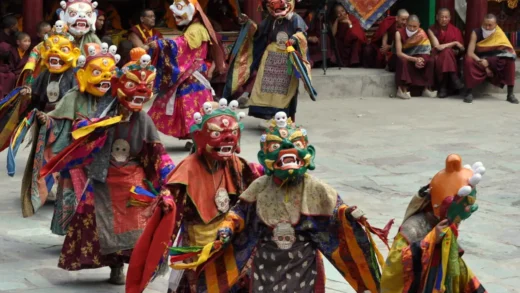
Held annually during June or July, Yuru Kabgyat is Lamayuru’s most important religious celebration.
Highlights include:
- Sacred Cham mask dances
- Buddhist prayers
- Ritual performances
- Traditional music
- Blessing ceremonies
Dosmoche Rituals
Seasonal ceremonies are conducted to remove negative energies and pray for peace, prosperity, and protection.
Cultural Importance
These festivals preserve Ladakh’s unique Buddhist traditions while strengthening community bonds and attracting pilgrims from across the Himalayan region.
Visitor Experience
Festival visitors enjoy colourful costumes, vibrant ceremonies, local cultural performances, and opportunities to witness authentic Himalayan Buddhist traditions.
Things to Do at Lamayuru Monastery
- Explore one of Ladakh’s oldest monasteries.
- Attend the morning prayer ceremony.
- Photograph the spectacular Moonland Landscape.
- Watch monks performing Buddhist rituals.
- Spin traditional prayer wheels.
- Visit the monastery library.
- Enjoy panoramic mountain views.
- Interact respectfully with resident monks.
- Experience the Yuru Kabgyat Festival.
- Combine your visit with nearby monasteries such as Alchi.
Photography Guide
Best Photo Spots
- Monastery entrance
- Rooftop terraces
- Prayer flag viewpoints
- Moonland Landscape
- Hilltop panoramic viewpoints
Sunrise Photography
Morning sunlight beautifully illuminates the monastery while soft golden light enhances the surrounding mountains.
Sunset Photography
The setting sun casts dramatic shadows across the Moonland, creating spectacular opportunities for landscape photography.
Drone Regulations
Drone flights generally require official permission from local authorities. Flying drones near religious sites without approval is discouraged.
Photography Etiquette
- Ask permission before photographing monks.
- Avoid using flash inside temples.
- Respect religious ceremonies.
- Do not obstruct worshippers.
How to Reach Lamayuru Monastery
By Air
The nearest airport is Kushok Bakula Rimpochee Airport in Leh, approximately 120 km away. From Leh, taxis and buses regularly travel towards Lamayuru.
By Road
Lamayuru lies directly on the Leh–Kargil Highway (NH-1), making it one of the easiest monasteries in Ladakh to reach by road.
By Bike
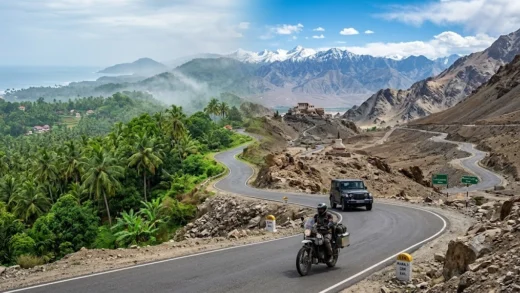
Motorcycle enthusiasts frequently include Lamayuru in their Srinagar–Leh and Leh–Kargil road trips.
By Taxi
Private taxis and shared cabs operate daily between Leh and Kargil, stopping at Lamayuru.
By Public Transport
Government and private buses running between Leh and Kargil stop near Lamayuru village.
Distance Chart
| Destination | Approximate Distance |
|---|---|
| Leh | 120 km |
| Nubra Valley | 245 km |
| Pangong Lake | 345 km |
| Lamayuru Village | 1 km |
| Kargil | 107 km |
| Alchi | 58 km |
| Diskit | 240 km |
| Hanle | 380 km |
Best Time to Visit
Summer (May–September)
Summer offers pleasant weather, clear roads, comfortable temperatures, and vibrant monastery festivals, making it the ideal season for visiting.
Autumn (September–October)
Autumn features crystal-clear skies, colourful landscapes, fewer tourists, and excellent photography conditions.
Winter (November–March)
Winter transforms Lamayuru into a snow-covered wonderland. While the scenery is breathtaking, temperatures drop well below freezing, and road conditions may become challenging.
Spring (April)
Spring brings gradually warming temperatures, melting snow, blooming wildflowers, and relatively peaceful surroundings.
Nearby Attractions
Moonland Landscape
Located adjacent to the monastery, Moonland is famous for its extraordinary yellow rock formations that resemble the lunar surface.
Alchi Monastery
One of Ladakh’s oldest monasteries, renowned for its rare Kashmiri-style murals and intricate artwork.
Wanla Village
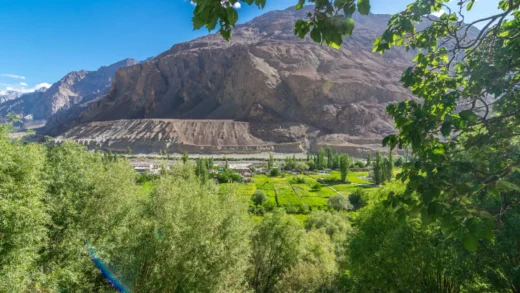
A picturesque traditional Ladakhi village surrounded by mountains and ancient agricultural terraces.
Basgo Monastery
A historic monastery and fortress known for its impressive ruins and panoramic Indus Valley views.
Khaltse
A charming Himalayan village that serves as an important stop along the Leh–Kargil Highway.
Travel Tips
- Spend at least two days acclimatizing in Leh before travelling.
- Carry warm clothing even during summer.
- Wear comfortable walking shoes.
- Carry sufficient drinking water.
- Keep cash, as ATM facilities are limited.
- Respect monks and local customs.
- Photography restrictions may apply inside temples.
- Mobile connectivity is limited, with BSNL and Jio offering the best coverage in many areas.
- Donations are appreciated for monastery maintenance.
Lesser-Known Facts About Lamayuru Monastery
- Lamayuru is among the oldest surviving Buddhist monasteries in Ladakh.
- The surrounding Moonland was once believed to have been a sacred lake.
- Ancient Buddhist manuscripts are still preserved within its library.
- The monastery remains an active educational institution for young monks.
- Its annual Yuru Kabgyat Festival attracts pilgrims from across the Himalayas.
- Lamayuru once served as an important stop along historic trade routes connecting Tibet, Kashmir, and Central Asia.
Why You Should Visit Lamayuru Monastery
Lamayuru Monastery offers a rare combination of history, spirituality, breathtaking landscapes, and authentic Himalayan culture. Its ancient temples, colourful festivals, peaceful atmosphere, and spectacular Moonland surroundings make it one of the finest Buddhist monasteries in Ladakh. Whether you are exploring Ladakh’s monasteries, enjoying scenic road trips, or seeking spiritual experiences, Lamayuru promises memories that will last a lifetime.
Frequently Asked Questions
1. Why is Lamayuru Monastery famous?
It is famous for being one of the oldest monasteries in Ladakh and for overlooking the unique Moonland Landscape.
2. How old is Lamayuru Monastery?
The monastery dates back to around the 10th century, making it over 1,000 years old.
3. How far is Lamayuru Monastery from Leh?
It is located approximately 120 km west of Leh and takes around 2.5 to 3 hours to reach by road.
4. Which Buddhist school does Lamayuru belong to?
It belongs to the Drikung Kagyu school of Tibetan Buddhism.
5. What is the best time to visit Lamayuru Monastery?
The best time to visit is between May and September when roads are open and weather conditions are favourable.
6. Can visitors attend prayer ceremonies?
Yes. Visitors are welcome to observe prayers respectfully without disturbing religious activities.
7. Is photography allowed inside the monastery?
Photography is generally permitted outdoors. Some indoor areas require permission, and flash photography should be avoided.
8. What is the Moonland Landscape?
Moonland is a fascinating geological formation with unusual yellow rock formations that resemble the surface of the moon.
9. How much time should I spend at Lamayuru Monastery?
Plan to spend 2 to 3 hours exploring the monastery, viewpoints, and nearby Moonland.
10. Can Lamayuru be combined with other attractions?
Yes. Many travellers visit Lamayuru along with Alchi Monastery, Basgo, Kargil, and other attractions on the Leh–Srinagar route.
Conclusion
Lamayuru Monastery is far more than a historic religious site—it is one of Ladakh’s most treasured cultural landmarks. With its thousand-year-old heritage, magnificent Tibetan architecture, vibrant Buddhist traditions, and the extraordinary Moonland landscape, the monastery offers an experience unlike any other in the Himalayas. Whether you are seeking spiritual peace, historical insights, or incredible photography opportunities, Lamayuru Monastery deserves a place on every Ladakh Travel Guide. As one of the most iconic Buddhist monasteries in Ladakh, it perfectly reflects the timeless beauty, rich traditions, and unforgettable experiences that define Ladakh Tourism.