

Introduction
Nestled on a picturesque hill overlooking the fertile Indus Valley, Likir Monastery is one of the oldest and most significant Buddhist monasteries in Ladakh. Famous for its towering 25-meter-high golden Maitreya Buddha statue, ancient murals, sacred scriptures, and peaceful surroundings, the monastery offers visitors an unforgettable glimpse into Ladakh’s spiritual heritage.
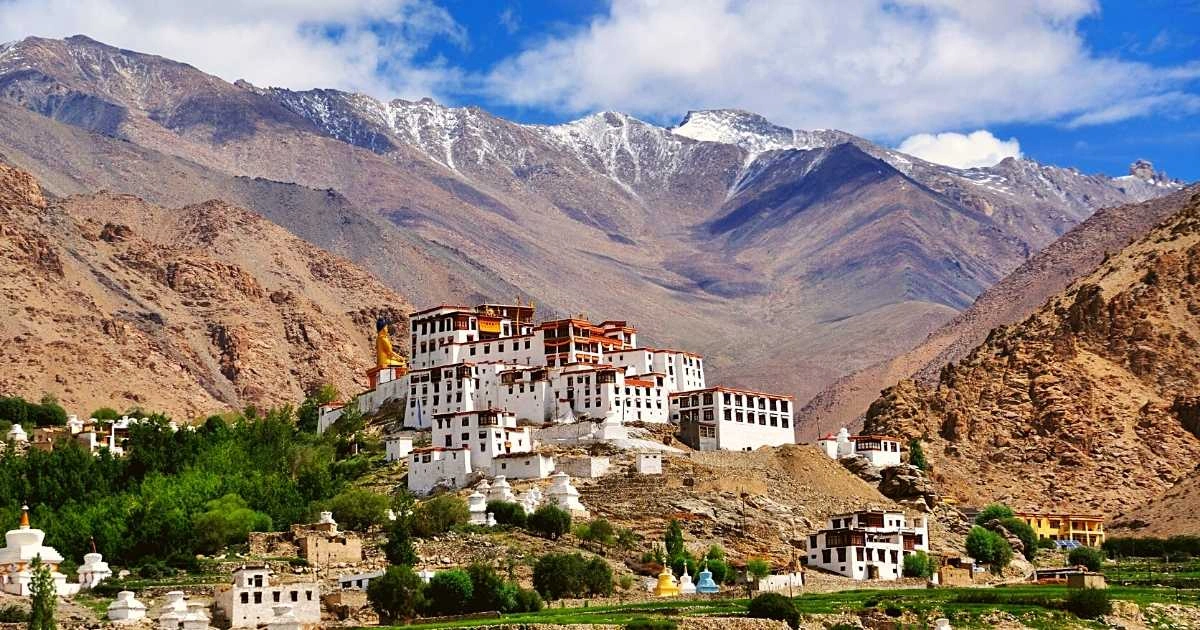
Founded more than 900 years ago, Likir Monastery continues to serve as an active center of Buddhist learning and worship. Whether you’re a history enthusiast, photographer, pilgrim, or traveler exploring the famous monasteries in Ladakh, this remarkable monastery deserves a place on your itinerary.
| Details | Information |
|---|---|
| Location | Likir Village, Leh District, Ladakh, India |
| District | Leh District |
| Altitude | 3,700 meters (12,139 feet) above sea level |
| Founded | Around 1065 CE |
| Buddhist School | Gelug (Yellow Hat) School (Originally Kadam tradition) |
| Founder | Lama Duwang Chosje under King Lhachen Gyalpo |
| Best Time to Visit | May to September |
| Entry Fee | ₹30–₹50 (Approx.) |
| Timings | 8:00 AM – 5:00 PM |
| Photography Rules | Outdoor photography allowed; permission may be required inside prayer halls. Flash photography is discouraged. |
| Nearby Attractions | Alchi Monastery, Basgo Palace, Magnetic Hill, Rizong Monastery, Indus River |
| Distance from Leh | Approximately 52 km |
History of Likir Monastery
Founding History
Likir Monastery was established around 1065 CE by Lama Duwang Chosje, a disciple of the great Buddhist translator Rinchen Zangpo. It was founded under the patronage of King Lhachen Gyalpo during the revival of Buddhism across the Himalayan region.

 6°C
6°C
- Temperature
- Rain Chance
- Wind


Founder and Lineage
The monastery was originally affiliated with the Kadam School of Tibetan Buddhism. During the 15th century, it became part of the Gelug School, founded by the great scholar Je Tsongkhapa. Today, Likir Monastery remains one of the most respected Gelug institutions in Ladakh.
Important Historical Events
- Established during the Second Diffusion of Buddhism.
- Converted to the Gelug tradition in the 15th century.
- Preserved valuable Buddhist scriptures and artwork through centuries.
- Survived invasions, harsh winters, and natural disasters.
- Installation of the magnificent golden Maitreya Buddha statue in 1999.
Role in Ladakh’s Buddhist Heritage
For centuries, Likir Monastery has served as:
- A center of Buddhist education
- A monastery for monk training
- A repository of ancient manuscripts
- A pilgrimage destination
- A guardian of Tibetan Buddhist traditions
Legends and Folklore
According to local legend, the monastery is protected by two giant serpent spirits known as Nagas. The name “Likir” comes from the Tibetan words “Lu-Khyil,” meaning “The Naga Encircled.” Local people believe these divine guardians continue to protect the monastery from harm.
Architecture and Design
Likir Monastery showcases classic Tibetan Buddhist architecture combined with Ladakhi craftsmanship.
Exterior Architecture
The monastery features whitewashed walls, red prayer halls, golden rooftops, colorful prayer flags, and multiple terraces overlooking the valley. The dramatic mountain backdrop enhances its majestic appearance.
Prayer Halls
The spacious Assembly Hall (Dukhang) contains beautifully decorated wooden pillars, prayer drums, butter lamps, and colorful ceiling paintings.
Ancient Murals
The walls display centuries-old murals illustrating:
- Buddha Shakyamuni
- Avalokiteshvara
- Mahakala
- Wheel of Life
- Bodhisattvas
- Buddhist cosmology
Thangkas
Likir Monastery preserves beautiful silk thangkas depicting important Buddhist deities and teachings, many of which are displayed during festivals.
Statues
The monastery houses several impressive statues, including:
- 25-meter Golden Maitreya Buddha
- Shakyamuni Buddha
- Je Tsongkhapa
- Amitabha Buddha
- Guardian deities
Monastery Layout
The monastery complex includes:
- Main courtyard
- Assembly Hall
- Prayer rooms
- Residential quarters
- Library
- Meditation rooms
- Kitchen
- Rooftop terraces
Unique Artistic Elements
Visitors can admire intricate wood carvings, hand-painted ceilings, bronze statues, traditional mandalas, and centuries-old Buddhist manuscripts.
Restoration Efforts
Several restoration projects have preserved the monastery’s ancient murals, historic buildings, prayer halls, and priceless scriptures while maintaining traditional Tibetan architectural styles.
Religious Significance
Likir Monastery remains an active religious institution where Buddhist traditions continue to flourish.
Buddhist Traditions Practiced
The monastery follows the teachings of the Gelug School, emphasizing meditation, philosophical studies, chanting, and monastic discipline.
Important Deities
The principal deities worshipped include:
- Maitreya Buddha
- Shakyamuni Buddha
- Tsongkhapa
- Avalokiteshvara
- Mahakala
Spiritual Importance
Thousands of pilgrims visit every year to receive blessings, offer prayers, participate in rituals, and seek spiritual guidance from the resident monks.
Monastic Life
More than 100 monks live, study, meditate, and perform daily religious ceremonies while preserving Ladakh’s Buddhist traditions.
Daily Rituals
Daily activities include:
- Morning chanting
- Meditation sessions
- Scripture recitation
- Prayer offerings
- Teaching and debate
What to See Inside the Monastery
Main Temple
The beautifully decorated temple houses sacred statues, ancient paintings, and ceremonial objects.
Assembly Hall
The largest prayer hall features colorful murals, traditional wooden architecture, and rows of prayer cushions used during ceremonies.
Maitreya Buddha Statue
Standing 25 meters tall, the magnificent golden Maitreya Buddha dominates the monastery and offers one of Ladakh’s most iconic sights.
Ancient Murals
The walls preserve vibrant paintings that depict Buddhist teachings and historical events.
Library
The monastery library safeguards rare Buddhist scriptures, handwritten manuscripts, and religious texts.
Courtyards
Peaceful open spaces surrounded by prayer wheels and monastery buildings offer perfect places for quiet reflection.
Scenic Viewpoints
Visitors enjoy breathtaking panoramic views of:
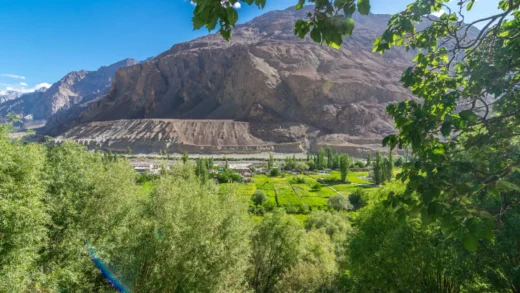
- Indus Valley
- Snow-covered Himalayan peaks
- Likir Village
- Agricultural fields
Sacred Relics
The monastery also preserves ritual masks, ceremonial objects, ancient statues, sacred scriptures, and prayer wheels.
Festivals Celebrated at Likir Monastery
Likir Dosmoche Festival
Usually celebrated during winter, this festival includes elaborate rituals performed to remove negative energies and bring prosperity.
Annual Likir Festival
The monastery hosts colorful celebrations featuring:
- Cham Mask Dances
- Buddhist prayers
- Sacred rituals
- Traditional music
- Blessing ceremonies
Cultural Importance
The festivals preserve centuries-old traditions while bringing together monks, local communities, and visitors from around the world.
Visitor Experience
Visitors can witness vibrant costumes, ceremonial dances, spiritual rituals, and authentic Ladakhi culture.
Things to Do at Likir Monastery
- Explore the ancient monastery complex.
- Admire the giant Maitreya Buddha statue.
- Watch monks perform daily prayers.
- Visit the monastery museum and library.
- Spin traditional prayer wheels.
- Enjoy panoramic Himalayan photography.
- Attend monastery festivals.
- Meditate in peaceful surroundings.
- Explore nearby villages.
- Visit neighboring monasteries like Alchi and Rizong.
Photography Guide
Best Photo Spots
- Golden Maitreya Buddha
- Main monastery entrance
- Rooftop terraces
- Prayer flags
- Valley viewpoints
Sunrise Photography
Morning sunlight beautifully illuminates the monastery while creating dramatic mountain landscapes.
Sunset Photography
Golden-hour lighting transforms the monastery into one of Ladakh’s most photogenic landmarks.
Drone Regulations
Drone photography generally requires permission from local authorities and monastery management.
Photography Etiquette
- Always ask before photographing monks.
- Avoid flash photography indoors.
- Respect religious ceremonies.
- Maintain silence inside prayer halls.
- Follow monastery guidelines.
How to Reach Likir Monastery
By Air
The nearest airport is Kushok Bakula Rimpochee Airport in Leh, about 55 km away. Taxis are available outside the airport.
By Road
Likir Monastery is connected by a well-maintained road from the Leh–Srinagar Highway via Saspol.
By Bike
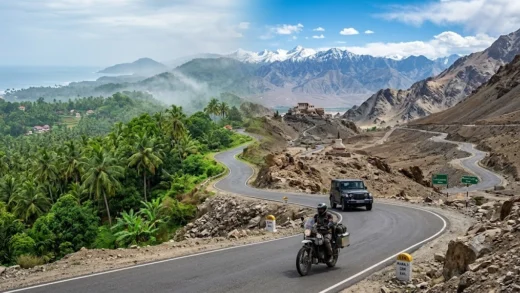
Motorcycle trips from Leh take around 1.5 to 2 hours and are popular among adventure travelers.
By Taxi
Private taxis can easily be hired from Leh for a comfortable day trip.
By Public Transport
Local buses and shared taxis connect Leh with Likir Village, although services are limited.
Distance Chart
| Destination | Distance |
|---|---|
| Leh | 52 km |
| Nubra Valley | 165 km |
| Pangong Lake | 225 km |
| Lamayuru | 72 km |
| Kargil | 175 km |
| Alchi | 21 km |
| Diskit | 160 km |
| Hanle | 310 km |
Best Time to Visit
Summer (May–September)
The ideal season with pleasant weather, clear roads, and excellent sightseeing opportunities.
Autumn (October)
Cool temperatures, fewer tourists, and golden landscapes make autumn perfect for photography.
Winter (November–March)
Snow-covered scenery creates magical views, although temperatures remain extremely cold and roads may occasionally close.
Spring (April)
Spring offers blooming fields, comfortable weather, and fewer visitors before the peak tourist season begins.
Nearby Attractions
Alchi Monastery
One of Ladakh’s oldest monasteries, renowned for its unique Kashmiri-style murals and UNESCO-recognized heritage.
Basgo Palace
A historic fortress featuring impressive ruins, ancient temples, and panoramic valley views.
Magnetic Hill
A fascinating natural phenomenon where vehicles appear to move uphill against gravity.
Rizong Monastery
Known as the “Paradise for Meditation,” Rizong offers peaceful surroundings and strict monastic traditions.
Indus River
Enjoy scenic drives, photography, and river rafting during the summer months.
Travel Tips
- Spend at least 48 hours acclimatizing in Leh.
- Carry warm clothing regardless of the season.
- Dress respectfully inside the monastery.
- Avoid disturbing religious ceremonies.
- Carry sufficient cash, as ATMs are unavailable in Likir Village.
- Mobile network coverage can be inconsistent.
- Drink plenty of water to prevent altitude sickness.
- Wear sunscreen and sunglasses to protect against intense UV rays.
Lesser-Known Facts About Likir Monastery
- The name “Likir” means “The Naga Encircled.”
- The monastery’s giant Maitreya Buddha was completed in 1999.
- It preserves handwritten Buddhist manuscripts over several centuries old.
- Many ritual masks used during festivals are priceless historical artifacts.
- Likir offers some of the best panoramic views of the Indus Valley.
- The monastery was originally part of the Kadam tradition before becoming Gelug.
- It remains an important center for Buddhist education in Ladakh.
Why You Should Visit Likir Monastery
Likir Monastery beautifully combines spirituality, history, architecture, and breathtaking Himalayan scenery. Whether you come to admire its towering golden Buddha, explore ancient Buddhist art, attend colorful festivals, or simply enjoy the peaceful mountain atmosphere, the monastery offers one of the most authentic experiences in Ladakh. It is an essential stop for anyone exploring the rich Buddhist heritage and cultural treasures of the region.
Frequently Asked Questions
1. Where is Likir Monastery located?
Likir Monastery is located in Likir Village, about 52 km west of Leh in Ladakh.
2. What is Likir Monastery famous for?
It is famous for its 25-meter-tall golden Maitreya Buddha statue, ancient murals, and panoramic Himalayan views.
3. Which Buddhist school does Likir Monastery belong to?
It belongs to the Gelug (Yellow Hat) School of Tibetan Buddhism.
4. How old is Likir Monastery?
The monastery was founded in the 11th century and is over 950 years old.
5. What is the best time to visit Likir Monastery?
May to September offers the most pleasant weather and accessible roads.
6. Is photography allowed inside Likir Monastery?
Outdoor photography is allowed, while indoor photography may require permission.
7. How much time should I spend at Likir Monastery?
Most visitors spend 1.5–2 hours exploring the monastery and its surroundings.
8. Is there an entry fee?
Yes, visitors usually pay a nominal entry fee of approximately ₹30–₹50.
9. Can I visit Likir Monastery on a day trip from Leh?
Yes. It is one of the most popular day-trip destinations from Leh.
10. Why is Likir Monastery important?
Likir Monastery is one of the oldest Buddhist monasteries in Ladakh and remains a significant center for Buddhist education, religious ceremonies, and preservation of ancient Tibetan art and culture.
Conclusion
Likir Monastery is a timeless treasure that showcases the spiritual heart of Ladakh. From its magnificent Maitreya Buddha statue and centuries-old murals to its peaceful prayer halls and breathtaking Himalayan views, every corner reflects the region’s rich Buddhist heritage. Whether you’re following a Ladakh Travel Guide, exploring the finest Monasteries in Ladakh, or seeking a deeper cultural experience, Likir Monastery promises an unforgettable journey filled with history, spirituality, and natural beauty. It remains one of the finest examples of a Buddhist Monastery in Ladakh and is a must-visit destination for anyone interested in Ladakh Tourism and the best Things to Do in Ladakh.