

Introduction
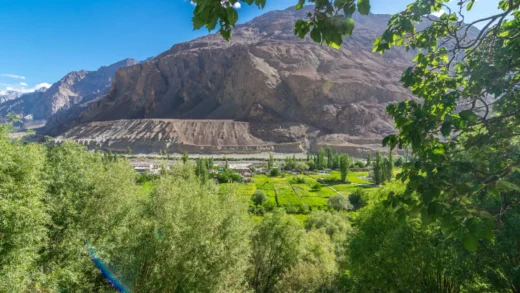
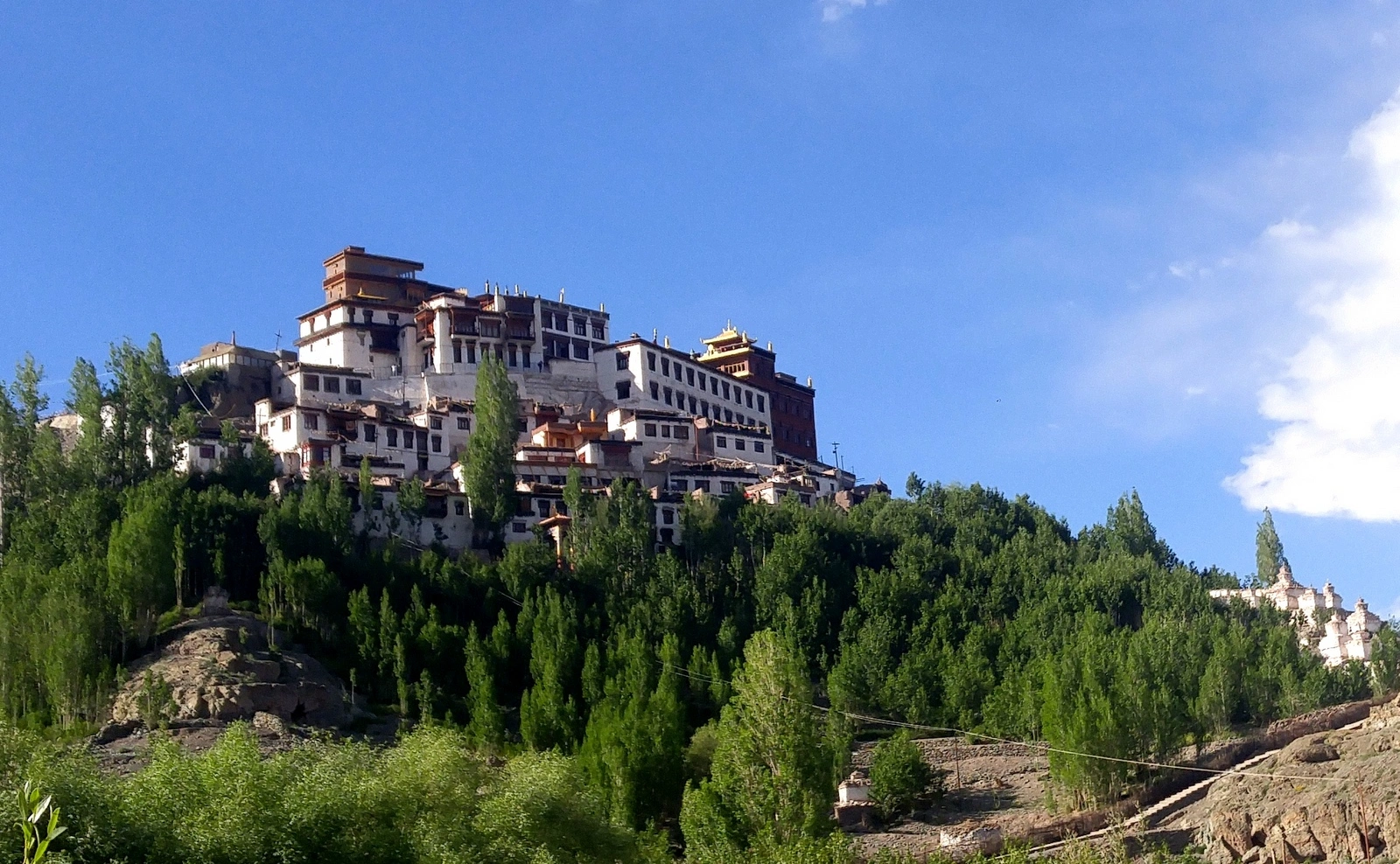
Matho Monastery is one of the most unique and spiritually significant monasteries in Ladakh. Nestled atop a scenic hill overlooking the Indus Valley, this centuries-old Buddhist monastery is the only monastery in Ladakh belonging to the Sakya school of Tibetan Buddhism. Surrounded by dramatic Himalayan landscapes, Matho Monastery offers visitors a peaceful retreat filled with ancient traditions, remarkable architecture, and breathtaking panoramic views.
Unlike many other monasteries in Ladakh, Matho Monastery is internationally renowned for its mysterious Oracle Festival, where specially chosen monks enter deep meditation and are believed to become mediums for protective deities. Whether you are interested in Ladakh tourism, Buddhist culture, photography, or history, Matho Monastery is a must-visit destination on every Ladakh travel itinerary.
| Details | Information |
|---|---|
| Location | Matho Village, on the eastern bank of the Indus River, Ladakh |
| District | Leh District, Ladakh |
| Altitude | Approximately 3,650 metres (11,975 feet) |
| Founded | Early 15th century (around 1410 CE) |
| Buddhist School | Sakya School of Tibetan Buddhism |
| Founder | Lama Dugpa Dorje |
| Best Time to Visit | May to September |
| Entry Fee | Usually Free (Donations Appreciated) |
| Timings | 7:00 AM – 6:00 PM |
| Photography Rules | Photography is allowed outdoors. Permission may be required inside prayer halls. Flash photography is discouraged. |
| Nearby Attractions | Hemis Monastery, Stakna Monastery, Shey Palace, Thiksey Monastery, Sindhu Ghat |
| Distance from Leh | Approximately 26 km |
History of Matho Monastery
Matho Monastery was founded during the early 15th century by Lama Dugpa Dorje, a disciple of the revered Sakya master Dorje Palzang. Before the establishment of the present monastery, an older religious center belonging to the Nyingma tradition existed on the site. Over time, the Sakya lineage became firmly established, making Matho the only Sakya monastery in Ladakh.

 11°C
11°C
- Temperature
- Rain Chance
- Wind


For more than six centuries, the monastery has served as an important center for Buddhist learning, meditation, and religious ceremonies. It has preserved priceless manuscripts, sacred relics, ancient statues, and exquisite thangkas despite Ladakh’s harsh climate and changing political history.
Matho Monastery is especially famous for the annual Matho Nagrang Festival, during which two monks serve as oracles believed to be possessed by protective deities. Their prophecies and ritual performances have become an integral part of Ladakh’s living Buddhist heritage, attracting thousands of pilgrims and visitors every year.
Architecture and Design
Matho Monastery beautifully reflects traditional Tibetan Buddhist architecture. Perched on a rocky hilltop, the monastery features whitewashed walls, red-painted upper structures, golden rooftops, colorful prayer flags, and intricately carved wooden balconies.
Inside, visitors will find spacious prayer halls decorated with centuries-old murals depicting the life of Buddha, Bodhisattvas, protector deities, and Buddhist cosmology. The monastery also houses magnificent statues of Shakyamuni Buddha, Guru Padmasambhava, Maitreya Buddha, Avalokiteshvara, and important Sakya lineage masters.
Rare silk thangkas, beautifully painted ceilings, handcrafted altars, and ancient manuscripts add to the monastery’s artistic value. The complex consists of assembly halls, meditation rooms, monks’ residences, courtyards, a museum, a library, and scenic terraces overlooking the Indus Valley. Ongoing conservation efforts continue to preserve its historic artwork and sacred treasures for future generations.
Religious Significance
Matho Monastery serves as the spiritual headquarters of the Sakya Buddhist tradition in Ladakh. Resident monks devote their lives to studying Buddhist philosophy, practicing meditation, preserving ancient scriptures, and conducting daily religious rituals.
Every morning, the monastery comes alive with chanting, scripture recitations, butter lamp offerings, and meditation sessions. Devotees visit throughout the year to seek blessings, spiritual guidance, and inner peace.
The monastery is dedicated to important Buddhist figures including Shakyamuni Buddha, Guru Padmasambhava, Mahakala, Tara, Avalokiteshvara, and Maitreya Buddha. Its centuries-old traditions continue to play a vital role in preserving Ladakh’s rich Buddhist heritage.
What to See Inside Matho Monastery
During your visit, explore the beautifully decorated main temple, where magnificent Buddha statues and sacred altars create a peaceful atmosphere. The large assembly hall showcases colorful murals, traditional prayer cushions, ceremonial drums, and elaborate wood carvings.
The monastery library preserves valuable handwritten Buddhist scriptures, while its museum displays ceremonial masks, ancient relics, ritual objects, and historic thangkas. Quiet courtyards provide ideal spaces for meditation, and the rooftop viewpoints offer spectacular panoramic views of the Indus River, surrounding villages, and snow-covered Himalayan peaks.
Festivals Celebrated at Matho Monastery
The most important celebration at Matho Monastery is the famous Matho Nagrang Festival, usually held during February or March according to the Tibetan lunar calendar.
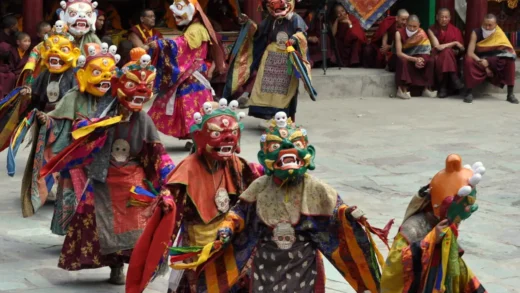
This two-day festival is renowned for its sacred oracle tradition. During the celebrations, specially selected monks enter deep meditation and are believed to channel protective deities. They perform remarkable rituals, bless devotees, and make predictions for the coming year.
The festival also features colorful Cham mask dances, traditional Buddhist music, ceremonial processions, and religious prayers. Visitors experience one of Ladakh’s most fascinating cultural events while witnessing centuries-old spiritual traditions that remain unchanged today.
Things to Do at Matho Monastery
Visitors can enjoy a variety of enriching experiences during their visit:
- Explore centuries-old prayer halls.
- Attend peaceful morning prayer ceremonies.
- Admire ancient murals and sacred thangkas.
- Visit the monastery museum.
- Witness the famous Matho Nagrang Festival.
- Enjoy panoramic Himalayan photography.
- Learn about Sakya Buddhist traditions.
- Meditate in peaceful surroundings.
- Interact respectfully with resident monks.
- Combine your visit with nearby monasteries along the Indus Valley.
Photography Guide
Matho Monastery offers countless photography opportunities throughout the year. The entrance gate, colorful prayer flags, monastery terraces, whitewashed buildings, and panoramic Indus Valley landscapes are among the best locations for capturing memorable photographs.
Sunrise provides soft golden light that beautifully illuminates the monastery against the Himalayan backdrop, while sunset creates dramatic mountain scenery ideal for landscape photography.
Drone photography is generally restricted and may require permission from local authorities as well as monastery management. Visitors should avoid flash photography inside temples and always seek permission before photographing monks or religious ceremonies.
How to Reach Matho Monastery
By Air
The nearest airport is Kushok Bakula Rimpochee Airport in Leh, located approximately 26 km from Matho Monastery. Taxis are available outside the airport.
By Road
The monastery is well connected by road from Leh via Shey and can easily be reached in about 45 minutes.
By Bike
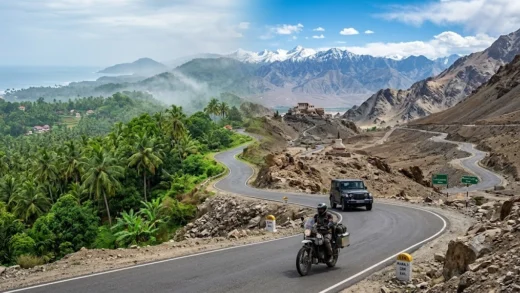
Motorcycle enthusiasts frequently include Matho Monastery as part of the popular Indus Valley monastery circuit.
By Taxi
Private taxis from Leh are the most convenient option and are available for half-day or full-day sightseeing tours.
By Public Transport
Limited local buses and shared taxis operate between Leh and nearby villages, although schedules may vary.
Distance Chart
| Destination | Approximate Distance |
|---|---|
| Leh | 26 km |
| Nubra Valley | 145 km |
| Pangong Lake | 170 km |
| Lamayuru | 145 km |
| Kargil | 230 km |
| Alchi | 90 km |
| Diskit | 145 km |
| Hanle | 255 km |
Best Time to Visit
Summer (May to August)
Summer is the most popular season to visit Matho Monastery. Pleasant temperatures, clear skies, and open roads make sightseeing, photography, and monastery visits comfortable.
Autumn (September to October)
Autumn offers crystal-clear mountain views, colorful landscapes, and fewer tourists, making it an excellent time for peaceful exploration.
Winter (November to February)
Winter transforms the monastery into a magical snow-covered destination. It is also the season for the famous Matho Nagrang Festival, although temperatures can drop well below freezing.
Spring (March to April)
Spring brings blooming valleys, melting snow, and comfortable weather, making it another enjoyable season for visiting.
Nearby Attractions
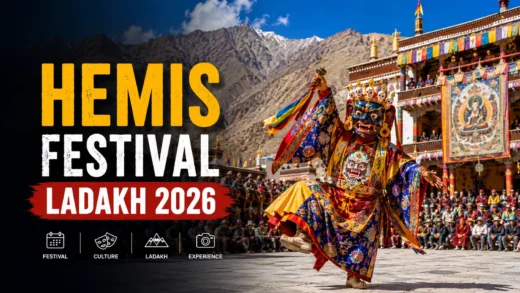
Several iconic Ladakh attractions are located close to Matho Monastery. Hemis Monastery, the largest monastery in Ladakh, is just a short drive away and is famous for its annual Hemis Festival. Stakna Monastery offers spectacular views of the Indus River, while Shey Palace showcases a giant copper-gilded Buddha statue and the former royal residence of Ladakh.
Visitors can also explore Thiksey Monastery, often compared to Tibet’s Potala Palace, and Sindhu Ghat, an important cultural site along the sacred Indus River.
Travel Tips
Before visiting Matho Monastery, spend at least two days acclimatizing in Leh to avoid altitude sickness. Wear layered clothing, as temperatures can change rapidly even during summer. Carry sufficient drinking water, sunscreen, sunglasses, and comfortable walking shoes.
Respect local customs by maintaining silence inside prayer halls and removing shoes where required. Photography inside temples should only be done after obtaining permission. Mobile connectivity is available but may be limited, and ATMs are best accessed in Leh before starting your journey.
Lesser-Known Facts About Matho Monastery
- Matho Monastery is the only Sakya monastery in Ladakh.
- It is famous worldwide for its mysterious Oracle Festival.
- Some ceremonial masks preserved here are several hundred years old.
- The monastery safeguards rare handwritten Buddhist manuscripts.
- It receives fewer tourists than many other monasteries, offering a peaceful atmosphere.
- The hilltop location provides some of the finest panoramic views of the Indus Valley.
- Ancient Sakya rituals continue to be practiced exactly as they were centuries ago.
Why You Should Visit Matho Monastery
Matho Monastery stands apart from other monasteries in Ladakh because of its unique Sakya heritage, remarkable Oracle Festival, centuries-old artwork, and tranquil hilltop setting. Whether you are interested in Buddhist philosophy, Himalayan history, architecture, photography, or spiritual experiences, the monastery offers something truly unforgettable.
Its peaceful atmosphere, spectacular mountain scenery, and rich cultural traditions make it one of the finest destinations for anyone exploring Ladakh Tourism and seeking authentic experiences beyond the usual tourist trail.
Frequently Asked Questions
1. Where is Matho Monastery located?
Matho Monastery is situated in Matho Village, approximately 26 km southeast of Leh in Ladakh.
2. Which Buddhist school does Matho Monastery belong to?
It belongs to the Sakya School of Tibetan Buddhism and is the only Sakya monastery in Ladakh.
3. Is there an entry fee?
Entry is generally free, although visitors are encouraged to make voluntary donations for the monastery’s upkeep.
4. What is Matho Monastery famous for?
It is famous for the Matho Nagrang Festival, ancient murals, sacred relics, and its unique oracle tradition.
5. Can visitors take photographs inside the monastery?
Photography is allowed outdoors, but visitors should obtain permission before photographing interiors or religious ceremonies.
6. When is the best time to visit Matho Monastery?
The best time is from May to September, while February or March is ideal for witnessing the Matho Nagrang Festival.
7. How long should I spend at the monastery?
A visit of approximately 1.5 to 2 hours is sufficient to explore the monastery, museum, viewpoints, and prayer halls.
8. Is Matho Monastery suitable for families?
Yes. Families, photographers, history enthusiasts, and spiritual travelers will all enjoy visiting the monastery.
9. Can I visit nearby monasteries on the same day?
Yes. Many visitors combine Matho Monastery with Hemis, Thiksey, Stakna, and Shey Palace during a single day trip.
10. Why is Matho Monastery important in Ladakh?
Matho Monastery preserves the Sakya Buddhist tradition, hosts Ladakh’s famous Oracle Festival, and protects centuries-old religious art and cultural heritage.
Conclusion
Matho Monastery is one of Ladakh’s hidden spiritual treasures, offering visitors an extraordinary blend of history, religion, architecture, and natural beauty. As the only Sakya Buddhist monastery in the region, it preserves centuries-old traditions that continue to inspire pilgrims and travelers alike. From the spectacular Matho Nagrang Festival and ancient murals to breathtaking views of the Indus Valley, every visit offers a deeper understanding of Ladakh’s rich cultural heritage. Whether you are exploring the finest monasteries in Ladakh, searching for unique Things to Do in Ladakh, or planning the perfect Ladakh Travel Guide itinerary, Matho Monastery deserves a place at the top of your travel list.