

Introduction
Perched dramatically atop a rocky hill overlooking the serene Indus River, Stakna Monastery is one of Ladakh’s most peaceful and scenic Buddhist monasteries. Located about 25 km from Leh in Stakna Village, this centuries-old monastery belongs to the Drukpa Kagyu school of Tibetan Buddhism and has been a center of spiritual learning since the late 16th century. Its name, Stakna, translates to “Tiger’s Nose,” inspired by the unique shape of the hill on which the monastery stands.
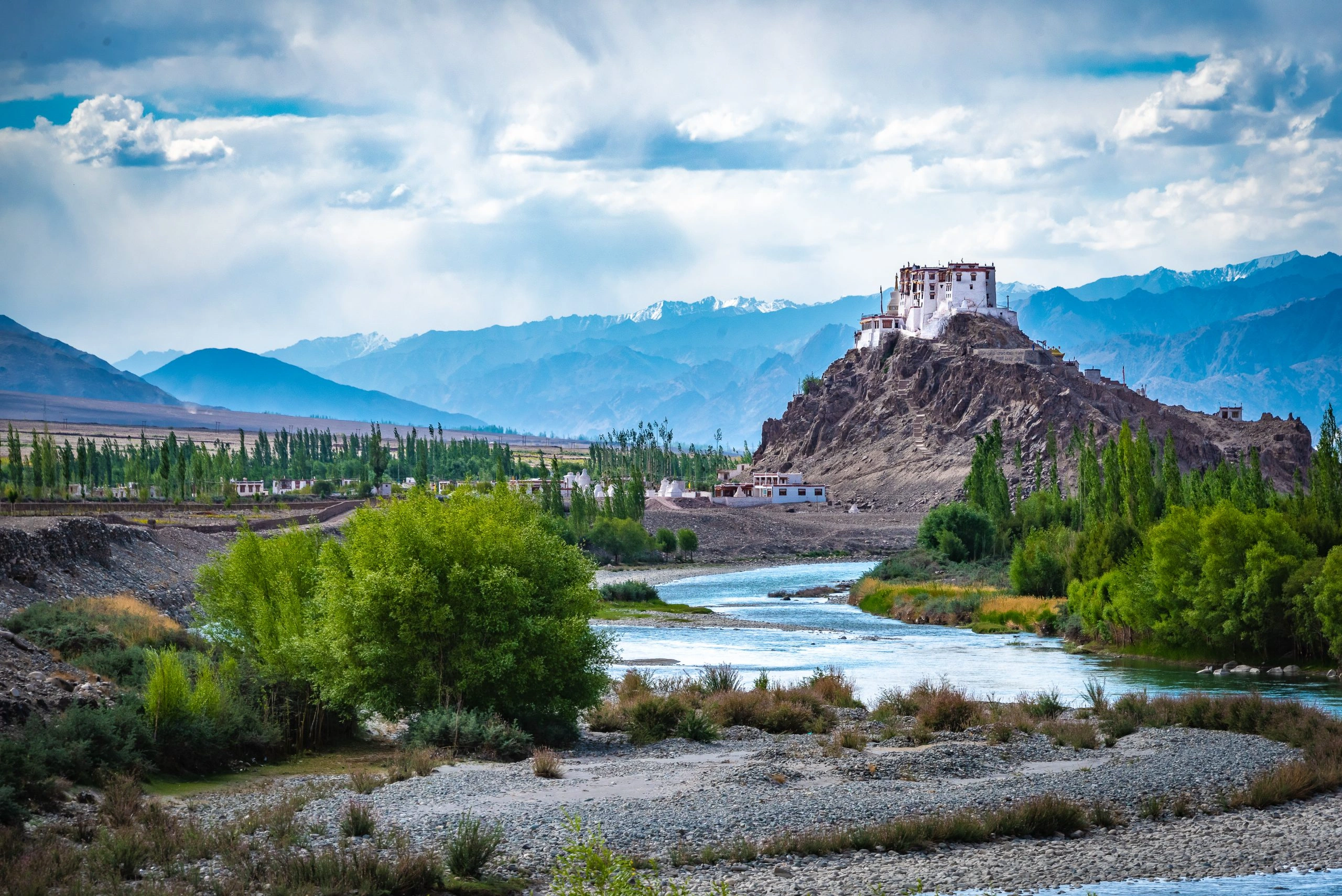
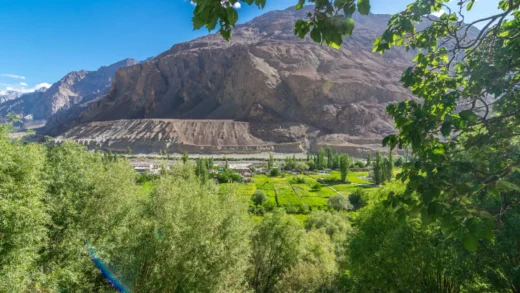
Although often overshadowed by larger monasteries such as Hemis and Thiksey, Stakna Monastery offers visitors a quieter and more intimate experience. Surrounded by lush fields, towering Himalayan peaks, and the flowing Indus River, the monastery is an ideal destination for travelers seeking spirituality, history, photography, and breathtaking landscapes. Whether you’re planning a Ladakh Travel Guide, exploring the famous Monasteries in Ladakh, or searching for unique Things to Do in Ladakh, Stakna Monastery deserves a place on your itinerary.
Quick Overview
| Details | Information |
|---|---|
| Location | Stakna Village, Indus Valley, Ladakh |
| District | Leh District |
| Altitude | Approximately 3,600 m (11,811 ft) |
| Founded | Late 16th Century (c. 1580–1590 CE) |
| Buddhist School | Drukpa Kagyu |
| Founder | Chosje Jamyang Palkar |
| Best Time to Visit | May to September |
| Entry Fee | Free (Donations Welcome) |
| Timings | 8:00 AM – 5:00 PM |
| Photography Rules | Allowed outdoors; permission required inside temples |
| Nearby Attractions | Thiksey Monastery, Hemis Monastery, Shey Palace, Matho Monastery, Sindhu Ghat |
| Distance from Leh | Approximately 25 km |
History of Stakna Monastery
Founding History
Stakna Monastery was established during the late 16th century by the respected Bhutanese Buddhist master Chosje Jamyang Palkar. Built atop a hill resembling a tiger’s nose, the monastery quickly became an important center for Buddhist teachings and meditation in the Indus Valley. Its strategic location overlooking the fertile valley symbolized spiritual protection and provided an ideal environment for monastic life.

 10°C
10°C

Founder and Lineage
The monastery follows the Drukpa Kagyu tradition of Tibetan Buddhism, one of the major Kagyu schools known for emphasizing meditation, compassion, and spiritual discipline. Chosje Jamyang Palkar introduced this lineage to the region, and generations of monks have continued preserving its teachings ever since.
Important Historical Events
Throughout its history, Stakna Monastery has witnessed the rise and fall of Ladakhi kingdoms, regional conflicts, and changing political administrations. Despite these challenges, the monastery has remained an active place of worship and Buddhist education. Over the centuries, several renovations have helped preserve its ancient temples, murals, and sacred scriptures.
Role in Ladakh’s Buddhist Heritage
Today, Stakna Monastery continues to play an essential role in preserving Ladakh’s religious traditions. It serves as a center for Buddhist education, meditation, and community gatherings while hosting annual festivals and daily rituals that keep centuries-old customs alive.
Legends and Folklore
According to local tradition, the monastery’s hill resembles the nose of a tiger, giving rise to its name “Stakna.” The tiger is regarded as a symbol of courage, wisdom, and spiritual strength in Tibetan Buddhism. Many locals believe the hill possesses sacred energy, making it an auspicious location for meditation and prayer.
Architecture and Design
Stakna Monastery beautifully showcases traditional Tibetan-Ladakhi architecture, blending naturally into the rugged Himalayan landscape.
Exterior Architecture
The monastery’s whitewashed buildings cascade gracefully down the rocky hill, creating one of the most picturesque monastery settings in Ladakh. Colorful prayer flags flutter in the mountain breeze, while golden rooftops and red-painted windows contrast beautifully against the barren mountains.
Prayer Halls
Inside the monastery are several prayer halls adorned with carved wooden pillars, vibrant ceiling paintings, butter lamps, and elaborate Buddhist decorations. These halls host daily prayers and important religious ceremonies.
Ancient Murals
The monastery preserves centuries-old murals depicting scenes from the life of Buddha, Buddhist cosmology, Bodhisattvas, protector deities, and important teachers of the Drukpa lineage. Although some paintings have faded with time, they remain valuable examples of Ladakhi Buddhist art.
Thangkas
Beautiful hand-painted silk thangkas decorate the walls during festivals and religious celebrations. These sacred scroll paintings illustrate Buddhist teachings and important spiritual figures.
Statues
Among the monastery’s treasured sculptures are statues of:
- Shakyamuni Buddha
- Guru Padmasambhava
- Avalokiteshvara
- Maitreya Buddha
- Various Drukpa lineage masters
Monastery Layout
The monastery complex includes:
- Main prayer hall
- Assembly hall
- Residential quarters for monks
- Meditation rooms
- Courtyards
- Library
- Prayer wheel corridor
- Rooftop viewpoints overlooking the Indus Valley
Unique Artistic Elements
Visitors will notice intricate wood carvings, colorful Tibetan motifs, hand-painted ceilings, traditional butter lamp altars, and ancient handwritten scriptures that reflect the monastery’s rich artistic heritage.
Restoration Efforts
Conservation work carried out over the years has helped preserve Stakna Monastery’s historic murals, architecture, and religious artifacts while maintaining its traditional appearance.
Religious Significance
Stakna Monastery is one of the important spiritual centers of the Drukpa Kagyu tradition in Ladakh.
Buddhist Traditions Practiced
The monastery follows the teachings of the Drukpa Kagyu school, focusing on meditation, compassion, mindfulness, and spiritual discipline.
Important Deities
The monastery is dedicated to several revered Buddhist figures, including:
- Shakyamuni Buddha
- Guru Rinpoche (Padmasambhava)
- Avalokiteshvara
- Green Tara
- Mahakala
- Maitreya Buddha
Spiritual Importance
Pilgrims visit the monastery to seek blessings, participate in prayers, meditate, and experience its peaceful atmosphere. The monastery remains an active center of Buddhist learning and devotion.
Monastic Life
Resident monks spend their days studying Buddhist scriptures, practicing meditation, conducting rituals, teaching younger monks, and serving the local community.
Daily Rituals
Visitors may witness:
- Morning chanting
- Butter lamp offerings
- Prayer wheel rituals
- Meditation sessions
- Evening prayers
- Sacred incense ceremonies
What to See Inside Stakna Monastery
During your visit, don’t miss these highlights:
Main Temple
The beautifully decorated main shrine houses sacred statues and colorful Buddhist artwork.
Assembly Hall
This large hall serves as the center of daily prayers and annual festival ceremonies.
Buddha Statues
Several impressive statues of Buddha and Bodhisattvas are displayed throughout the monastery.
Murals
Ancient wall paintings provide fascinating insights into Buddhist philosophy and Tibetan artistic traditions.
Library
The monastery safeguards valuable handwritten Buddhist scriptures and religious manuscripts.
Courtyards
Peaceful open courtyards offer quiet spaces where monks gather and visitors can relax.
Viewpoints
One of the monastery’s greatest attractions is its spectacular panoramic view of the Indus River, surrounding villages, snow-capped mountains, and lush green fields.
Sacred Relics
Visitors may also see ceremonial masks, ritual objects, prayer wheels, ancient scriptures, and other religious treasures displayed during special occasions.
Festivals Celebrated at Stakna Monastery
The monastery celebrates several important Buddhist festivals throughout the year.
Stakna Gustor
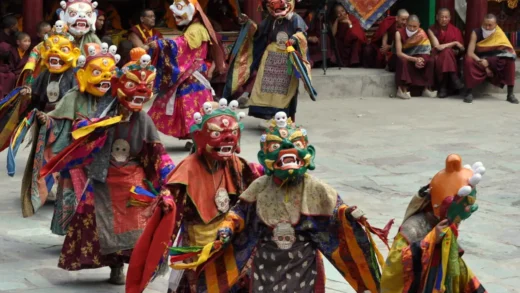
Usually held during October or November, this annual festival features colorful Cham mask dances, ritual prayers, and symbolic ceremonies representing the triumph of good over evil.
Losar
The Tibetan New Year is celebrated with prayers, traditional music, offerings, and community gatherings.
Buddha Purnima
Special prayers, butter lamp offerings, and devotional ceremonies commemorate the birth, enlightenment, and passing of Lord Buddha.
Monlam Prayer Festival
During winter, monks gather to offer prayers for world peace, harmony, and prosperity.
Visitor Experience
Festival days are filled with vibrant costumes, sacred dances, traditional music, and an unforgettable spiritual atmosphere that offers visitors a deeper understanding of Ladakh’s Buddhist culture.
Things to Do at Stakna Monastery
- Explore the monastery’s historic temples.
- Observe monks performing daily rituals.
- Enjoy panoramic views of the Indus Valley.
- Practice meditation in peaceful surroundings.
- Spin traditional prayer wheels.
- Photograph the monastery and surrounding landscapes.
- Visit nearby villages.
- Attend a festival if your visit coincides with one.
- Learn about Tibetan Buddhist traditions.
- Combine your trip with nearby monasteries such as Hemis and Thiksey.
Photography Guide
Best Photo Spots
- Monastery entrance
- Hilltop viewpoints
- Indus River overlook
- Prayer flags
- Courtyards
- Exterior architecture
Sunrise Photography
Early morning light beautifully illuminates the monastery and surrounding Himalayan landscape.
Sunset Photography
The warm golden glow of sunset creates stunning views over the Indus Valley.
Drone Regulations
Drone photography is generally restricted in Ladakh due to security regulations. Always obtain official permission before flying a drone.
Photography Etiquette
- Ask permission before photographing monks.
- Avoid flash photography inside temples.
- Respect areas where photography is prohibited.
- Maintain silence during prayer sessions.
How to Reach Stakna Monastery
By Air
The nearest airport is Kushok Bakula Rimpochee Airport in Leh. From there, Stakna Monastery is approximately a 30–40-minute drive.
By Road
The monastery is easily accessible via the Leh–Manali Highway and well-maintained roads through the Indus Valley.
By Bike
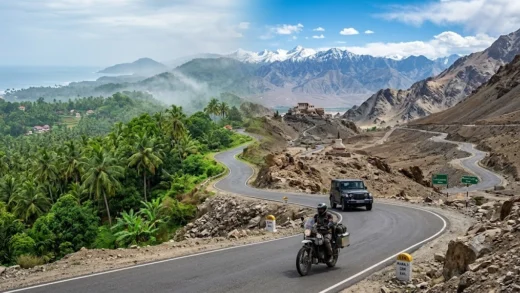
Many travelers include Stakna Monastery in their popular motorcycle tours of Ladakh.
By Taxi
Private taxis from Leh offer convenient half-day and full-day monastery sightseeing tours.
By Public Transport
Limited local buses operate between Leh and nearby villages. Hiring a taxi remains the most comfortable option.
Distance Chart
| Destination | Approximate Distance |
|---|---|
| Leh | 25 km |
| Nubra Valley | 145 km |
| Pangong Lake | 165 km |
| Lamayuru | 145 km |
| Kargil | 230 km |
| Alchi | 70 km |
| Diskit | 140 km |
| Hanle | 255 km |
Best Time to Visit
Summer (May to September)
Summer offers pleasant temperatures, clear skies, open roads, and ideal sightseeing conditions, making it the best season to visit.
Autumn (September to October)
Golden fields and fewer tourists create a peaceful and scenic travel experience.
Winter (November to March)
Snow transforms the monastery into a magical destination, though freezing temperatures and occasional road closures should be expected.
Spring (April)
Spring brings blooming vegetation and quieter surroundings, although weather conditions can still be unpredictable.
Nearby Attractions
Visitors can easily combine Stakna Monastery with several famous attractions in the Indus Valley, including:
- Thiksey Monastery
- Hemis Monastery
- Shey Palace
- Matho Monastery
- Sindhu Ghat
- Stok Palace
- Leh Palace
Travel Tips
- Spend at least two days acclimatizing in Leh.
- Carry warm clothing throughout the year.
- Dress modestly inside the monastery.
- Respect monks and religious ceremonies.
- Donations are appreciated but not mandatory.
- Follow photography restrictions.
- Carry sufficient cash, as nearby ATMs are limited.
- Mobile connectivity is generally available through BSNL and Jio.
- Stay hydrated and use sunscreen due to the high altitude.
- Wear comfortable walking shoes.
Lesser-Known Facts About Stakna Monastery
- The monastery sits atop a hill naturally shaped like a tiger’s nose.
- It belongs to the Bhutanese Drukpa Kagyu lineage.
- Ancient handwritten scriptures are still preserved inside.
- The monastery receives fewer tourists than many famous Ladakh monasteries.
- It offers some of the finest panoramic views of the Indus Valley.
- Butter lamps are lit daily as offerings for peace and prosperity.
- Local villagers actively participate in annual religious festivals.
- The monastery continues to educate young Buddhist monks.
Why You Should Visit Stakna Monastery
Stakna Monastery offers an unforgettable combination of history, spirituality, breathtaking scenery, and authentic Ladakhi culture. Its peaceful setting above the Indus River, beautiful architecture, centuries-old Buddhist traditions, and spectacular viewpoints make it one of the hidden gems among the many Monasteries in Ladakh. Whether you are a pilgrim, photographer, or traveler exploring Ladakh Tourism, a visit to Stakna Monastery promises a rewarding and enriching experience.
Frequently Asked Questions
1. Where is Stakna Monastery located?
Stakna Monastery is located in Stakna Village, approximately 25 km southeast of Leh in the Indus Valley.
2. Why is it called Stakna Monastery?
The name “Stakna” means “Tiger’s Nose,” referring to the unique shape of the rocky hill on which the monastery is built.
3. Which Buddhist school does Stakna Monastery belong to?
It follows the Drukpa Kagyu school of Tibetan Buddhism.
4. Is there an entry fee?
No, entry is generally free, although donations are appreciated.
5. What are the monastery timings?
The monastery is usually open daily from 8:00 AM to 5:00 PM.
6. Can visitors take photographs inside the monastery?
Photography is permitted outdoors, while indoor photography may require permission.
7. What is the best time to visit?
The ideal time is from May to September when weather and road conditions are most favorable.
8. How long should I spend at Stakna Monastery?
Most visitors spend between one and two hours exploring the monastery and enjoying the surrounding views.
9. Are guided tours available?
Yes. Local guides and taxi operators from Leh often include Stakna Monastery in monastery sightseeing tours.
10. Which attractions can be visited nearby?
Nearby attractions include Hemis Monastery, Thiksey Monastery, Shey Palace, Matho Monastery, Sindhu Ghat, and Stok Palace.
Conclusion
Stakna Monastery is one of Ladakh’s most peaceful and visually stunning Buddhist landmarks. Overlooking the Indus Valley from its distinctive tiger-shaped hill, the monastery preserves centuries of Buddhist history, remarkable architecture, sacred traditions, and breathtaking Himalayan scenery. Whether you are discovering the finest Monasteries in Ladakh, planning an unforgettable Ladakh Travel Guide, or looking for meaningful Things to Do in Ladakh, Stakna Monastery offers an inspiring journey into the region’s rich spiritual and cultural heritage. Its tranquil atmosphere, panoramic landscapes, and timeless traditions make it a destination that leaves every visitor with lasting memories of Ladakh Tourism.