

Introduction
Among the most mystical and historically significant monasteries in Ladakh, Zongkhul Monastery stands hidden within the dramatic cliffs of the remote Zanskar Valley. Unlike many other monasteries in Ladakh that occupy hilltops, Zongkhul Monastery is built around a sacred cave associated with the legendary Buddhist master Naropa.
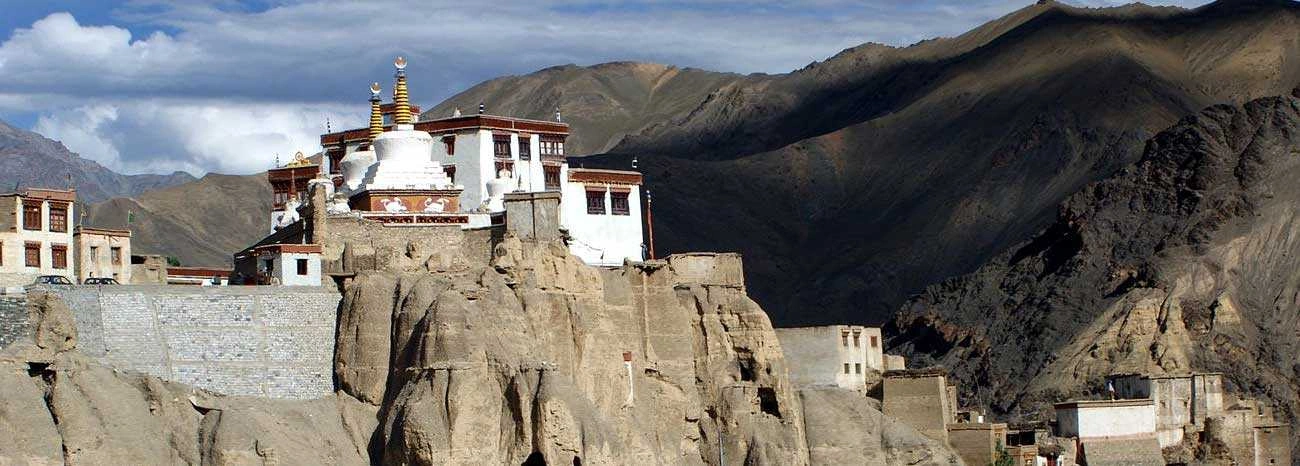
Known for its ancient murals, meditation caves, spiritual heritage, and breathtaking surroundings, this Buddhist monastery in Ladakh offers visitors a rare opportunity to experience the deeper spiritual traditions of Tibetan Buddhism. For travelers seeking authentic cultural experiences beyond mainstream Ladakh tourism routes, Zongkhul Monastery is a remarkable destination.
| Details | Information |
|---|---|
| Location | Zanskar Valley, Ladakh, India |
| District | Kargil District (Zanskar Region) |
| Altitude | Approx. 3,850 meters (12,631 feet) |
| Founded | Around the 11th–12th century CE |
| Buddhist School | Drukpa Kagyu School of Tibetan Buddhism |
| Founder | Associated with the great yogi Naropa |
| Best Time to Visit | May to September |
| Entry Fee | Usually Free (donations appreciated) |
| Timings | 7:00 AM – 6:00 PM (may vary) |
| Photography Rules | Allowed in exterior areas; permission may be required inside temples |
| Nearby Attractions | Stongde Monastery, Karsha Monastery, Padum, Sani Monastery |
| Distance from Leh | Approx. 460 km |
History of Zongkhul Monastery
Founding History
Zongkhul Monastery traces its origins to the sacred meditation cave where Naropa, one of Buddhism’s greatest scholars and yogis, is believed to have meditated. The monastery later developed around this revered site and became an important center of the Drukpa Kagyu tradition.

 5°C
5°C
- Temperature
- Rain Chance
- Wind


Founder and Lineage
Although the present monastic complex evolved over centuries, its spiritual foundation is closely linked to Naropa, the Indian Buddhist master whose teachings greatly influenced Tibetan Buddhism. The monastery later came under the stewardship of the Drukpa lineage.
Important Historical Events
Over the centuries, Zongkhul Monastery survived periods of political instability, harsh climatic conditions, and regional conflicts. Despite its remote location, it continued to attract pilgrims, monks, and scholars from across the Himalayan region.
Role in Ladakh’s Buddhist Heritage
The monastery serves as an important link between Indian Buddhist traditions and Tibetan Buddhism. It preserves ancient teachings, sacred relics, and artistic treasures that contribute significantly to Ladakh’s spiritual landscape.
Legends and Folklore
Local legends state that Naropa left physical imprints of his body, footprints, and meditation marks within the cave. Pilgrims believe these sacred traces possess spiritual power and blessings. Stories of miraculous events associated with Naropa continue to attract devotees from across the Himalayan world.
Architecture and Design
Exterior Architecture
Zongkhul Monastery blends harmoniously into the rugged cliffs of Zanskar. Whitewashed walls, red-colored prayer halls, and traditional Tibetan architectural elements characterize the structure.
Prayer Halls
The monastery contains beautifully decorated prayer halls featuring traditional Buddhist iconography, prayer wheels, and elaborate wooden carvings.
Ancient Murals
One of the monastery’s greatest treasures is its collection of centuries-old murals depicting Buddhist teachings, deities, and scenes from Naropa’s life.
Thangkas
Rare thangkas preserved within the monastery showcase remarkable craftsmanship and religious symbolism.
Statues
Visitors can admire statues of Buddha, Padmasambhava, Naropa, and various Bodhisattvas that hold great spiritual significance.
Monastery Layout
The complex consists of meditation caves, prayer halls, monks’ quarters, assembly areas, shrines, and courtyards interconnected through narrow passageways.
Unique Artistic Elements
The blend of cave architecture and monastic structures creates a distinctive spiritual atmosphere rarely found elsewhere in Ladakh.
Restoration Efforts
Conservation projects have helped preserve the fragile murals, ancient manuscripts, and sacred cave structures for future generations.
Religious Significance
Buddhist Traditions Practiced
Zongkhul Monastery follows the Drukpa Kagyu tradition, emphasizing meditation, spiritual discipline, and the teachings of enlightened masters.
Important Deities
The monastery venerates:
- Shakyamuni Buddha
- Naropa
- Padmasambhava
- Avalokiteshvara
- Mahakala
Spiritual Importance
The sacred cave associated with Naropa makes Zongkhul one of the most revered pilgrimage sites in Zanskar.
Monastic Life
Resident monks engage in daily prayers, scriptural study, meditation retreats, and ritual ceremonies.
Daily Rituals
Visitors may witness:
- Morning chanting
- Butter lamp offerings
- Prayer wheel ceremonies
- Meditation sessions
- Traditional Buddhist rituals
What to See Inside the Monastery
Main Temple
The heart of the monastery features sacred images and beautifully decorated altars.
Assembly Hall
The central gathering hall hosts communal prayers and religious ceremonies.
Buddha Statues
Large statues of Buddha and important Buddhist masters dominate the shrine rooms.
Murals
Ancient wall paintings provide fascinating insights into Buddhist philosophy and Himalayan art.
Libraries
The monastery preserves sacred scriptures and traditional Buddhist texts.
Courtyards
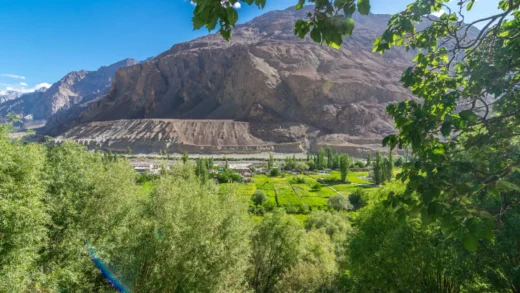
Open courtyards provide scenic views of the surrounding valley and mountains.
Viewpoints
Several vantage points around the monastery offer spectacular views of Zanskar’s rugged landscape.
Sacred Relics
Pilgrims come to see relics and cave markings believed to be connected to Naropa’s meditation practices.
Festivals Celebrated at Zongkhul Monastery
Naropa Festival
A special celebration honoring Naropa’s teachings and spiritual legacy.
Highlights:
- Ritual prayers
- Sacred ceremonies
- Community gatherings
- Religious teachings
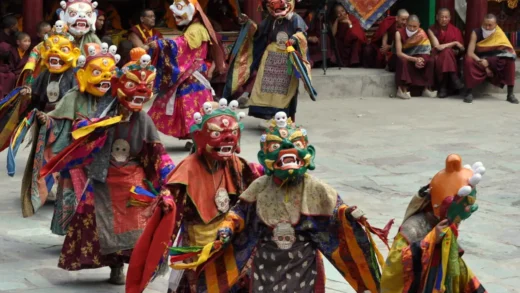
Annual Cham Festival
Traditional masked dances are performed by monks.
Features:
- Colorful costumes
- Sacred music
- Symbolic storytelling
- Blessing ceremonies
Cultural Importance
These festivals help preserve Zanskar’s Buddhist traditions while bringing local communities together.
Visitor Experience
Visitors can witness vibrant religious performances, traditional music, and unique cultural practices rarely seen elsewhere.
Things to Do at Zongkhul Monastery
- Explore Naropa’s sacred meditation cave.
- Admire centuries-old Buddhist murals.
- Attend prayer ceremonies.
- Interact respectfully with resident monks.
- Enjoy meditation in peaceful surroundings.
- Photograph the dramatic cliffside setting.
- Learn about Drukpa Kagyu traditions.
- Visit nearby monasteries in Zanskar Valley.
- Experience authentic Himalayan spirituality.
- Enjoy scenic drives through remote landscapes.
Photography Guide
Best Photo Spots
- Monastery entrance
- Cliffside viewpoints
- Prayer flags
- Valley overlooks
- Courtyards
Sunrise Photography
Morning light beautifully illuminates the monastery walls and surrounding cliffs.
Sunset Photography
Golden-hour photography creates dramatic contrasts across the Zanskar landscape.
Drone Regulations
Drone use may require special permissions from local authorities. Always verify current regulations before flying.
Photography Etiquette
- Ask permission before photographing monks.
- Avoid flash photography near ancient murals.
- Respect restricted areas.
- Maintain silence during ceremonies.
How to Reach Zongkhul Monastery
By Air
The nearest airport is Kushok Bakula Rimpochee Airport in Leh.
By Road
From Leh, travelers typically drive via Kargil and Padum before reaching the monastery.
By Bike
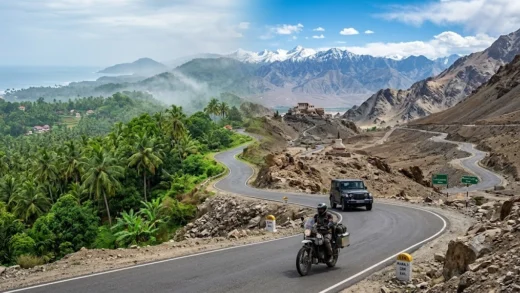
Adventure motorcyclists often include Zongkhul Monastery in extended Zanskar expeditions.
By Taxi
Private taxis from Leh, Kargil, or Padum offer the most comfortable transportation option.
By Public Transport
Limited bus services operate seasonally between Leh, Kargil, and Padum. Local transport may be required for the final stretch.
Distance Chart
| Destination | Distance to Zongkhul Monastery |
|---|---|
| Leh | Approx. 460 km |
| Nubra Valley | Approx. 590 km |
| Pangong Lake | Approx. 620 km |
| Lamayuru | Approx. 280 km |
| Kargil | Approx. 240 km |
| Alchi | Approx. 340 km |
| Diskit | Approx. 600 km |
| Hanle | Approx. 700 km |
Best Time to Visit
Summer (May–August)
Advantages
- Pleasant temperatures
- Open roads
- Clear skies
- Best sightseeing conditions
Challenges
- Peak tourist season
Autumn (September–October)
Advantages
- Beautiful landscapes
- Fewer visitors
- Comfortable weather
Challenges
- Colder nights
Winter (November–March)
Advantages
- Snow-covered scenery
- Unique winter atmosphere
Challenges
- Road closures
- Extreme cold
- Difficult access
Spring (April)
Advantages
- Emerging greenery
- Fewer tourists
Challenges
- Weather remains unpredictable
Nearby Attractions
Karsha Monastery
The largest monastery in Zanskar, renowned for its impressive hilltop setting.
Stongde Monastery
One of the most important monasteries in the region with stunning architecture.
Sani Monastery
Among the oldest religious sites in Ladakh.
Padum
The cultural and administrative center of Zanskar Valley.
Drang Drung Glacier
A spectacular glacier visible from nearby mountain routes.
Travel Tips
Acclimatization
Spend at least two days in Leh before traveling deeper into Zanskar.
Clothing
Carry layered clothing regardless of season.
Respectful Behavior
Maintain silence inside prayer halls and sacred caves.
Donations
Voluntary donations help support monastery maintenance.
Photography Restrictions
Always ask before photographing interiors.
Mobile Network
Network coverage can be limited or unavailable.
ATM Availability
ATMs are scarce in remote Zanskar areas. Carry sufficient cash.
Lesser-Known Facts About Zongkhul Monastery
- The monastery is built around Naropa’s meditation cave.
- Sacred body imprints attributed to Naropa are preserved here.
- It is among the most important Drukpa Kagyu sites in Zanskar.
- Ancient murals display rare artistic styles unique to the region.
- The monastery receives far fewer visitors than many famous monasteries in Ladakh.
- Pilgrims consider the cave one of the most spiritually powerful locations in Zanskar.
Why You Should Visit Zongkhul Monastery
Zongkhul Monastery offers a unique combination of spirituality, history, art, and natural beauty. Unlike heavily visited tourist destinations, it provides a deeply authentic experience of Himalayan Buddhism. From sacred caves and ancient murals to breathtaking mountain scenery, the monastery captures the essence of Ladakh’s religious and cultural heritage. For anyone exploring monasteries in Ladakh, Zongkhul is an unforgettable destination.
Frequently Asked Questions
1. Where is Zongkhul Monastery located?
It is located in the remote Zanskar Valley of Ladakh within Kargil District.
2. Why is Zongkhul Monastery famous?
It is famous for Naropa’s meditation cave, ancient murals, and spiritual significance.
3. Which Buddhist school does the monastery belong to?
It belongs to the Drukpa Kagyu tradition of Tibetan Buddhism.
4. Is there an entry fee?
Entry is generally free, though donations are welcome.
5. Can tourists visit the sacred cave?
Yes, visitors can usually enter designated sections of the cave respectfully.
6. What is the best time to visit?
May to September offers the best weather and road conditions.
7. Are photography and videography allowed?
Photography is generally allowed outdoors, while indoor photography may require permission.
8. How far is Zongkhul Monastery from Leh?
The monastery is approximately 460 kilometers from Leh.
9. Can I stay overnight at the monastery?
Accommodation is limited. Most visitors stay in Padum or nearby guesthouses.
10. Is Zongkhul Monastery suitable for family travel?
Yes, families interested in culture, history, and spirituality will find it rewarding.
Conclusion
Hidden among the dramatic cliffs of Zanskar Valley, Zongkhul Monastery is one of the most extraordinary spiritual destinations in Ladakh. Its sacred association with Naropa, remarkable murals, ancient cave sanctuary, and peaceful Himalayan setting make it a standout among Buddhist monasteries in Ladakh. Whether you are interested in Ladakh tourism, Buddhist heritage, photography, or spiritual exploration, Zongkhul Monastery offers an enriching journey into the heart of Himalayan culture. A visit here is not merely sightseeing—it is an encounter with centuries of devotion, art, and living tradition that continues to inspire pilgrims and travelers alike