
Introduction
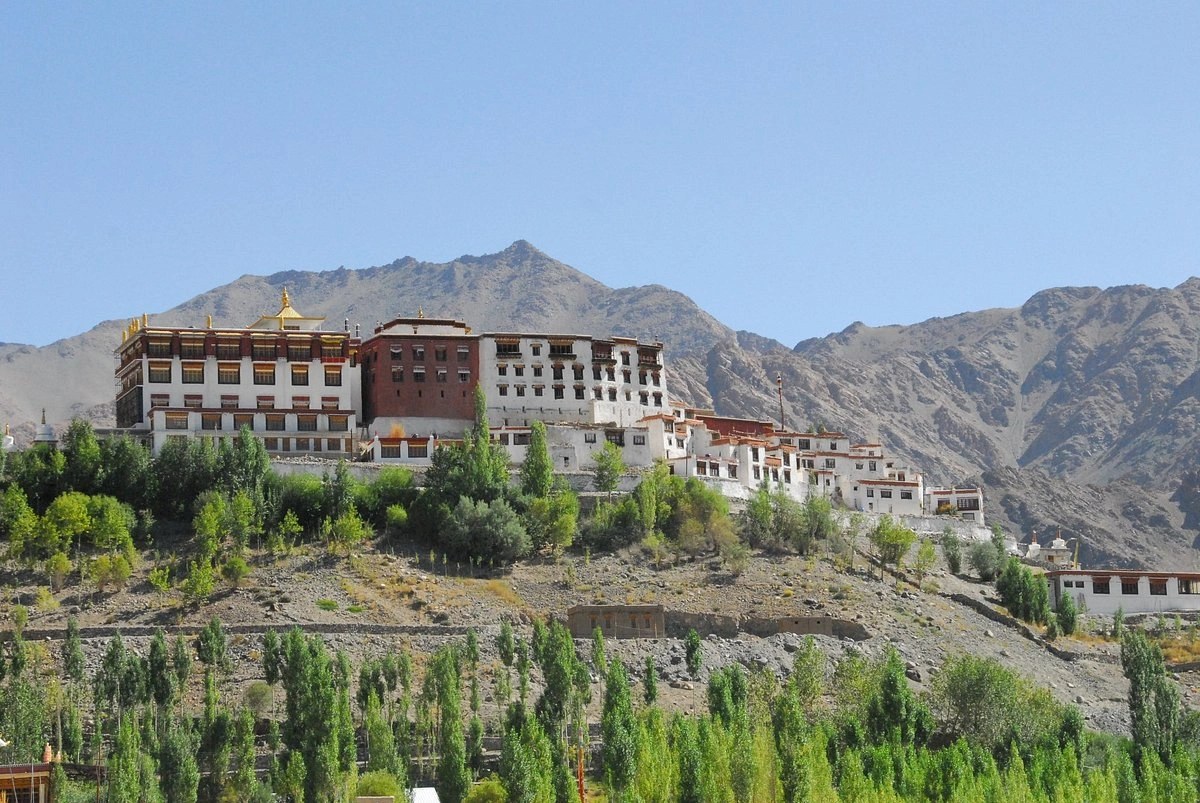
Perched atop a scenic hill overlooking the beautiful Phyang Valley, Phyang Monastery is one of the oldest and most peaceful monasteries in Ladakh. Founded over 500 years ago, this remarkable Buddhist monastery belongs to the Drikung Kagyu sect of Tibetan Buddhism and is renowned for its centuries-old murals, sacred relics, annual mask dance festival, and breathtaking Himalayan views.
Although less crowded than some of Ladakh’s famous monasteries, Phyang Monastery offers visitors an authentic glimpse into monastic life while preserving ancient Buddhist traditions. Whether you’re interested in spirituality, photography, architecture, or history, this monastery is a must-visit destination in every Ladakh Travel Guide.
| Details | Information |
|---|---|
| Location | Phyang Village, Leh District, Ladakh, India |
| District | Leh District |
| Altitude | Approximately 3,700 m (12,140 ft) above sea level |
| Founded | Early 16th Century (c. 1515 CE) |
| Buddhist School | Drikung Kagyu School of Tibetan Buddhism |
| Founder | Chosje Damma Kunga (Chosje Denma Kunga Dragpa) |
| Best Time to Visit | May to September |
| Entry Fee | Free (Museum may charge a nominal fee) |
| Timings | 7:00 AM – 6:00 PM |
| Photography Rules | Photography is allowed in outdoor areas. Permission is required inside prayer halls. Flash photography is discouraged. |
| Nearby Attractions | Magnetic Hill, Spituk Monastery, Hall of Fame Museum, Sangam Point, Alchi Monastery |
| Distance from Leh | Approximately 17 km |
History of Phyang Monastery
Founding History
Phyang Monastery was established during the early 16th century after the Buddhist master Chosje Damma Kunga received a spiritual vision instructing him to build a monastery at the present location. The monastery quickly became one of the most important centers of Buddhist learning in western Ladakh.

 6°C
6°C
- Temperature
- Rain Chance
- Wind


Founder and Lineage
The monastery follows the Drikung Kagyu lineage, one of the oldest schools of Tibetan Buddhism. Chosje Damma Kunga introduced the teachings of this tradition to Ladakh, making Phyang an important religious institution for centuries.
Important Historical Events
Throughout its history, Phyang Monastery expanded with new temples, prayer halls, residential quarters, libraries, and museums. It survived political changes, harsh Himalayan winters, and natural disasters while continuing to serve as an active religious center.
Role in Ladakh’s Buddhist Heritage
For over five centuries, Phyang Monastery has played a significant role in preserving Buddhist philosophy, ancient manuscripts, ritual ceremonies, meditation practices, and Ladakh’s rich cultural traditions.
Legends and Folklore
According to local legend, the monastery’s location was divinely chosen after a sacred vision. Villagers believe powerful guardian deities protect both the monastery and the surrounding valley from harm.
Architecture and Design
Phyang Monastery showcases classic Tibetan Buddhist architecture blended beautifully with the rugged Himalayan landscape.
Exterior Architecture
The monastery features whitewashed walls, red monastery buildings, golden rooftops, colorful prayer flags, and traditional Tibetan-style windows that stand out dramatically against the mountains.
Prayer Halls
Its spacious assembly hall contains beautifully carved wooden pillars, colorful ceilings, elaborate altars, and rows of prayer cushions where monks gather for daily rituals.
Ancient Murals
The monastery houses centuries-old murals illustrating Buddhist teachings, protector deities, Bodhisattvas, and scenes from the life of Buddha.
Thangkas
Rare silk thangkas depicting sacred Buddhist deities are carefully preserved and displayed during major festivals.
Statues
Visitors can admire magnificent statues including:
- Shakyamuni Buddha
- Maitreya Buddha
- Guru Padmasambhava
- Avalokiteshvara
- Mahakala
- Great Buddhist masters
Monastery Layout
The monastery complex consists of:
- Main Temple
- Assembly Hall
- Residential Quarters
- Courtyards
- Meditation Rooms
- Library
- Museum
- Prayer Wheel Corridor
Unique Artistic Elements
Beautiful wood carvings, traditional Tibetan paintings, hand-painted ceilings, butter lamp altars, and intricate mandalas showcase exceptional Himalayan craftsmanship.
Restoration Efforts
Recent conservation projects have helped preserve valuable murals, ancient manuscripts, and structural elements while maintaining the monastery’s historic character.
Religious Significance
Phyang Monastery continues to be one of the most respected Buddhist monasteries in Ladakh.
Buddhist Traditions Practiced
The monastery follows the teachings of the Drikung Kagyu school, emphasizing meditation, compassion, mindfulness, and monastic discipline.
Important Deities
Major deities worshipped include:
- Shakyamuni Buddha
- Guru Padmasambhava
- Avalokiteshvara
- Tara
- Mahakala
Spiritual Importance
Thousands of pilgrims and monks visit the monastery every year for religious ceremonies, meditation retreats, and annual festivals.
Monastic Life
Resident monks spend their daily lives studying scriptures, chanting prayers, meditating, performing rituals, and teaching Buddhist philosophy.
Daily Rituals
Visitors may witness:
- Morning prayers
- Chanting ceremonies
- Butter lamp offerings
- Prayer wheel rituals
- Meditation sessions
What to See Inside Phyang Monastery
A visit to Phyang Monastery reveals numerous architectural and spiritual treasures.
Main Temple
The beautifully decorated temple houses sacred Buddhist statues, colorful murals, and ceremonial altars.
Assembly Hall
This impressive hall serves as the heart of daily religious activities and festival celebrations.
Buddha Statues
The monastery contains numerous statues of Buddha, Bodhisattvas, and important Buddhist masters.
Murals
Ancient murals cover the walls with detailed depictions of Buddhist philosophy and Tibetan iconography.
Library
The monastery preserves centuries-old Buddhist scriptures written on handmade paper along with rare religious manuscripts.
Courtyards
Quiet courtyards provide peaceful places for reflection while offering spectacular mountain scenery.
Viewpoints
From the monastery visitors can enjoy panoramic views of:
- Phyang Valley
- Indus Valley
- Snow-covered Himalayan peaks
- Traditional Ladakhi villages
Sacred Relics
The monastery museum displays ceremonial masks, ancient weapons, ritual objects, rare manuscripts, and sacred relics collected over centuries.
Festivals Celebrated at Phyang Monastery
Phyang Tsedup Festival
Held annually during July or August, the Phyang Tsedup Festival is the monastery’s biggest celebration.
Festival Highlights
Visitors can experience:
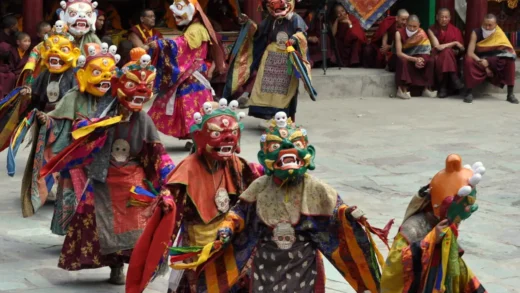
- Sacred Cham Mask Dances
- Traditional Buddhist Rituals
- Prayer Ceremonies
- Blessing Rituals
- Cultural Performances
- Traditional Music
Cultural Importance
The festival celebrates the victory of wisdom over evil while preserving centuries-old Buddhist traditions.
Visitor Experience
Tourists can witness vibrant costumes, elaborate masks, sacred dances, local handicrafts, and authentic Ladakhi culture.
Things to Do at Phyang Monastery
- Explore the ancient monastery.
- Visit the monastery museum.
- Attend morning prayers.
- Admire centuries-old murals.
- Spin traditional prayer wheels.
- Enjoy panoramic Himalayan views.
- Practice peaceful meditation.
- Learn about Tibetan Buddhism.
- Photograph the monastery during sunrise and sunset.
- Visit during the annual Phyang Festival.
Photography Guide
Best Photo Spots
- Main monastery entrance
- Rooftop viewpoints
- Prayer flag terraces
- Courtyards
- Himalayan backdrop
Sunrise Photography
The first rays of sunlight beautifully illuminate the monastery against the surrounding mountains.
Sunset Photography
Golden evening light creates stunning colors across the monastery buildings and nearby valleys.
Drone Regulations
Drone flying requires permission from local authorities and monastery management.
Photography Etiquette
- Ask permission before photographing monks.
- Avoid flash photography inside temples.
- Respect prayer ceremonies.
- Maintain silence inside religious buildings.
How to Reach Phyang Monastery
By Air
The nearest airport is Kushok Bakula Rimpochee Airport, Leh, located approximately 20 km away.
By Road
The monastery is connected by a well-maintained road from Leh and can be reached in around 30 minutes.
By Bike
Motorcycle enthusiasts often include Phyang Monastery as part of the famous Leh sightseeing circuit.
By Taxi
Private taxis are easily available from Leh for half-day or full-day monastery tours.
By Public Transport
Limited local buses connect Leh with nearby villages, although taxis remain the most convenient option.
Distance Chart
| Destination | Approximate Distance |
|---|---|
| Leh | 17 km |
| Nubra Valley | 135 km |
| Pangong Lake | 175 km |
| Lamayuru | 108 km |
| Kargil | 215 km |
| Alchi | 52 km |
| Diskit | 118 km |
| Hanle | 275 km |
Best Time to Visit
Summer (May–September)
The ideal season with pleasant temperatures, open highways, vibrant festivals, and excellent sightseeing conditions.
Autumn (September–October)
Autumn offers crystal-clear skies, colorful landscapes, and fewer crowds, making it perfect for photography.
Winter (November–March)
Heavy snowfall transforms the monastery into a magical winter destination, though temperatures can fall well below freezing.
Spring (April)
Spring brings blooming vegetation, pleasant weather, and quieter surroundings before the tourist season begins.
Nearby Attractions
Magnetic Hill
A fascinating gravity hill where vehicles appear to move uphill on their own.
Spituk Monastery
A beautiful hilltop monastery overlooking Leh Airport and the Indus Valley.
Hall of Fame Museum
An excellent museum showcasing Ladakh’s military history and local heritage.
Sangam Point
The spectacular meeting point of the Indus and Zanskar Rivers.
Alchi Monastery
One of Ladakh’s oldest monasteries, famous for its 11th-century murals and exquisite Buddhist art.
Leh Palace
A historic royal palace offering panoramic views of Leh town and surrounding mountains.
Travel Tips
- Spend at least 24–48 hours acclimatizing in Leh before visiting.
- Carry warm clothing throughout the year.
- Walk slowly due to the high altitude.
- Respect monks and prayer ceremonies.
- Donations are welcome but not compulsory.
- Ask permission before taking photographs indoors.
- Mobile network coverage is available but may be limited.
- Withdraw cash in Leh as ATMs are unavailable near the monastery.
Lesser-Known Facts About Phyang Monastery
- Phyang Monastery is over 500 years old.
- It houses one of Ladakh’s finest collections of ancient weapons and ceremonial artifacts.
- The monastery museum preserves rare Buddhist manuscripts.
- It remains less crowded than many popular monasteries in Ladakh.
- The annual Cham Dance Festival attracts devotees from across the Himalayan region.
- Its hilltop location offers some of the finest panoramic views near Leh.
Why You Should Visit Phyang Monastery
Phyang Monastery perfectly combines spirituality, history, architecture, art, and spectacular Himalayan scenery. Its peaceful atmosphere, vibrant Buddhist traditions, ancient murals, annual festivals, and breathtaking viewpoints make it one of the finest Buddhist Monasteries in Ladakh. Whether you’re exploring Ladakh Tourism, discovering Things to Do in Ladakh, or visiting the region’s most beautiful monasteries, Phyang Monastery promises an unforgettable cultural experience.
Frequently Asked Questions
1. Where is Phyang Monastery located?
Phyang Monastery is located in Phyang Village, approximately 17 km west of Leh in Ladakh.
2. Which Buddhist school does Phyang Monastery belong to?
It belongs to the Drikung Kagyu School of Tibetan Buddhism.
3. Is there an entry fee?
Entry to the monastery is generally free, although the museum may charge a small fee.
4. What are the monastery timings?
The monastery is usually open daily from 7:00 AM to 6:00 PM.
5. When is the best time to visit?
May to September offers the most comfortable weather and excellent road accessibility.
6. Can visitors take photographs?
Yes, outdoor photography is allowed. Permission should be obtained before taking photographs inside prayer halls.
7. How long does a visit take?
Most visitors spend between 1.5 and 2 hours exploring the monastery.
8. What is the Phyang Tsedup Festival?
It is the monastery’s annual religious festival featuring traditional Cham mask dances, rituals, and cultural celebrations.
9. Is Phyang Monastery suitable for families?
Yes. It is suitable for families, photographers, history enthusiasts, pilgrims, and cultural travelers.
10. Can I visit other attractions nearby?
Yes. Phyang Monastery can easily be combined with visits to Magnetic Hill, Spituk Monastery, Sangam Point, Hall of Fame Museum, Alchi Monastery, and Leh Palace.
Conclusion
Phyang Monastery is one of the hidden treasures of Ladakh, offering visitors a unique blend of spirituality, history, architecture, and breathtaking natural beauty. With over five centuries of Buddhist heritage, remarkable murals, sacred relics, peaceful prayer halls, and stunning Himalayan vistas, the monastery provides an enriching experience for every traveler. Whether you are following a comprehensive Ladakh Travel Guide, exploring the finest Monasteries in Ladakh, or searching for meaningful Things to Do in Ladakh, Phyang Monastery stands out as a destination that beautifully reflects the timeless culture and spiritual legacy of Ladakh Tourism. A visit here is not only a journey through history but also an opportunity to experience the serene soul of the Himalayas.