

Introduction
Tigmo is one of the most comforting and beloved traditional foods of Ladakh. This soft, fluffy steamed bread is a staple in many Ladakhi households and is often enjoyed alongside rich curries, hearty stews, and flavorful soups. Simple yet satisfying, Tigmo reflects the resourcefulness of Himalayan cuisine, where nutritious and warming foods are essential for surviving the region’s harsh climate.
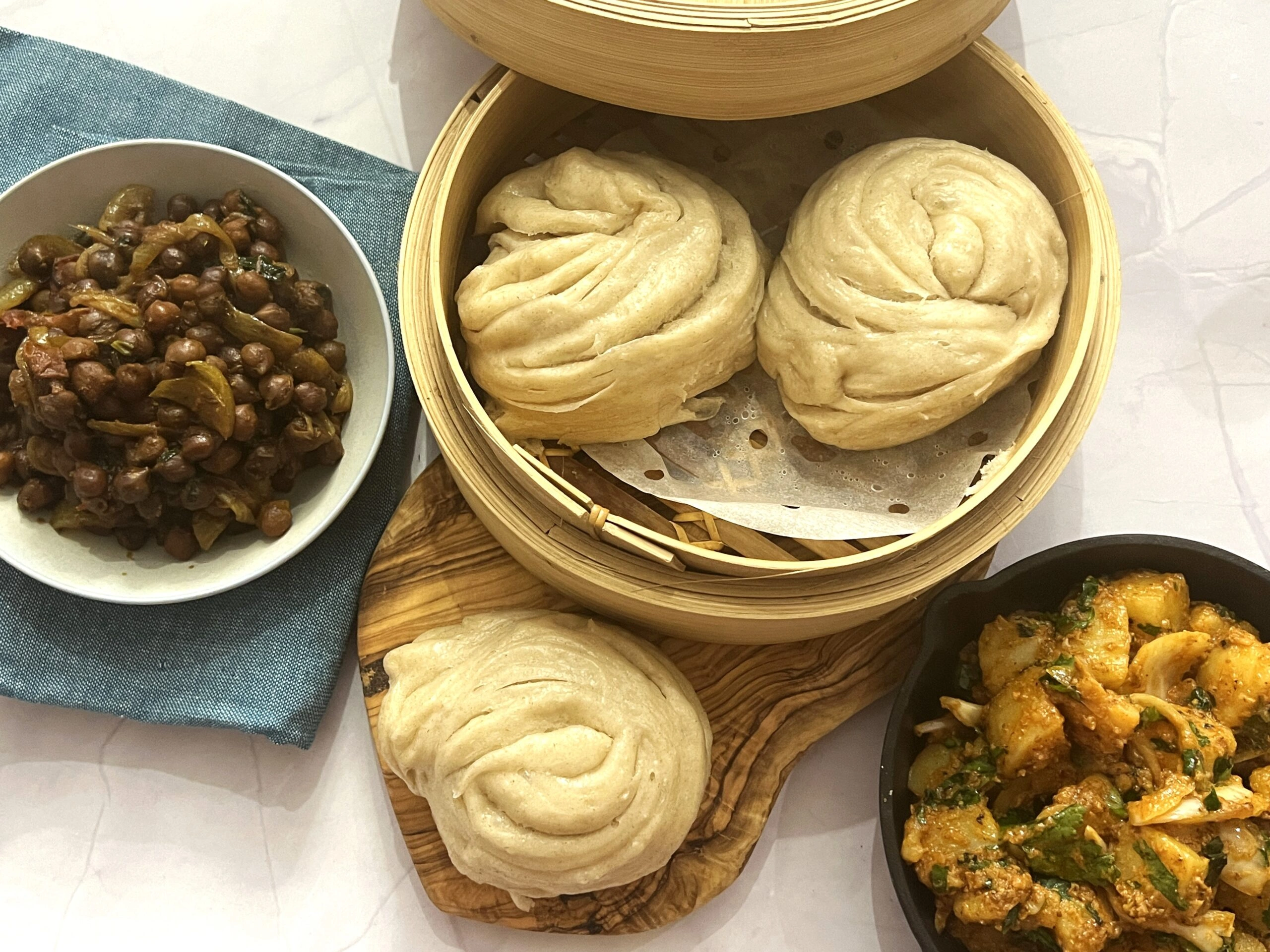
Whether served during family meals, festive celebrations, or at local restaurants, Tigmo remains an important part of Ladakhi culinary heritage. Its light texture and ability to soak up flavorful gravies make it a favorite among locals and travelers alike.
What is Tigmo?
Tigmo is a traditional Ladakhi steamed bread made primarily from wheat flour, yeast, water, and a pinch of salt. Unlike baked bread, Tigmo is steamed, giving it a soft, airy texture similar to Chinese mantou or Tibetan steamed buns.

 6°C
6°C
- Temperature
- Rain Chance
- Wind


The bread is typically shaped into attractive spiral rolls before steaming, making it visually appealing as well as delicious. Tigmo has a mild, slightly sweet flavor that pairs perfectly with spicy meat curries, vegetable dishes, lentil soups, and traditional Ladakhi stews such as Mokthuk or Chutagi.
In Ladakhi culture, Tigmo is more than just bread—it represents warmth, hospitality, and family togetherness. It is commonly served to guests and during special occasions, symbolizing comfort and generosity.
Origin and History
Tigmo has its roots in the Himalayan regions of Ladakh and neighboring Tibet. For centuries, people living in these high-altitude areas relied on simple, nourishing foods made from locally available ingredients. Wheat cultivation became common in parts of Ladakh, making wheat flour an essential ingredient in everyday cooking.
The technique of steaming bread likely spread through centuries of cultural exchange along the ancient trade routes connecting Ladakh, Tibet, Central Asia, and northern India. Over time, Ladakhi families adapted the recipe to local tastes and ingredients.
Today, Tigmo continues to be prepared using traditional methods while also appearing on the menus of modern cafés and restaurants across Ladakh. Despite changing lifestyles, it remains one of the region’s most cherished comfort foods.
Ingredients
One of the reasons Tigmo remains popular is its simplicity. It requires only a handful of ingredients.
Main Ingredients
- Wheat flour (or all-purpose flour)
- Warm water
- Dry yeast
- Salt
- A small amount of sugar (optional, to activate the yeast)
- Vegetable oil or butter (optional for softer dough)
Common Accompaniments
Although Tigmo itself is plain, it is usually served with:
- Vegetable curry
- Mutton curry
- Yak meat stew
- Lentil soup
- Chicken curry
- Traditional Ladakhi soups
These flavorful dishes complement the mild taste of the steamed bread.
How It Is Prepared
Preparing Tigmo is relatively simple, although patience is required for the dough to rise properly.
Step 1: Make the Dough
Flour, yeast, salt, and warm water are mixed together to form a smooth, elastic dough. The dough is kneaded thoroughly to develop its soft texture.
Step 2: Let It Rise
The dough is covered and left to ferment for about one to two hours until it doubles in size.
Step 3: Shape the Bread
The risen dough is rolled into a flat sheet and lightly brushed with oil. It is then rolled into a log and cut into pieces, creating the signature spiral shape.
Step 4: Steam
The shaped dough is placed in a steamer and cooked for around 20 to 30 minutes until soft and fluffy.
Step 5: Serve
Freshly steamed Tigmo is served hot with curries, soups, or meat dishes.
Variations
Although traditional Tigmo follows a simple recipe, several variations have emerged over time.
Traditional Ladakhi Tigmo
The classic version uses wheat flour and is served with hearty mutton or vegetable curries.
Whole Wheat Tigmo
Health-conscious cooks often prepare Tigmo using whole wheat flour for added fiber and nutrition.
Butter Tigmo
Some families brush the steamed bread with melted butter or yak butter immediately after steaming for extra richness.
Stuffed Tigmo
Modern versions may include fillings such as vegetables, minced meat, paneer, or cheese, creating a more filling meal.
Restaurant-Style Tigmo
Many cafés in Leh now serve Tigmo with fusion dishes, combining traditional bread with contemporary Himalayan cuisine.
Why You Should Try Tigmo
Tigmo offers a unique taste of Ladakh’s rich culinary traditions. Its soft, pillowy texture makes it ideal for soaking up flavorful gravies and soups, creating a satisfying dining experience.
Unlike many types of bread, Tigmo is steamed rather than baked or fried, making it relatively light while still being filling. It is also incredibly versatile, pairing well with vegetarian and non-vegetarian dishes alike.
Trying Tigmo also provides insight into Ladakhi culture, where food is designed to provide warmth, nourishment, and comfort in one of the world’s highest inhabited regions. Whether you’re exploring Ladakh or recreating Himalayan cuisine at home, Tigmo is a must-try dish.
Where to Try Tigmo
The best Tigmo is found throughout Ladakh, especially in traditional homes and local restaurants.
Popular places to enjoy authentic Tigmo include:
- Leh – Numerous Ladakhi restaurants and cafés serve freshly steamed Tigmo with traditional curries.
- Nubra Valley – Local homestays often prepare homemade Tigmo using family recipes.
- Alchi – Traditional guesthouses offer authentic Ladakhi meals featuring Tigmo.
- Lamayuru – Small eateries near monasteries frequently include Tigmo in their local meal offerings.
- Hemis and nearby villages – Homestays provide visitors with home-cooked Ladakhi cuisine, including freshly steamed Tigmo.
FAQs
Is Tigmo vegetarian?
Yes. Traditional Tigmo is made using flour, water, yeast, and salt, making it suitable for vegetarians. It can be paired with vegetarian or meat-based dishes.
Is Tigmo similar to Chinese steamed buns?
Yes. Tigmo has a texture similar to Chinese mantou, although it is usually shaped differently and served as an accompaniment rather than eaten on its own.
Can Tigmo be made without yeast?
Some homemade versions use baking powder instead of yeast, but traditional Tigmo relies on yeast fermentation for its characteristic fluffy texture.
What dishes are commonly served with Tigmo?
Tigmo is commonly served with mutton curry, vegetable curry, lentil soup, chicken curry, Mokthuk, and other Ladakhi stews.
Can I make Tigmo at home?
Absolutely. The recipe uses simple pantry ingredients and only requires basic steaming equipment, making it accessible for home cooks.
Is Tigmo healthy?
Since it is steamed instead of fried, Tigmo is generally a lighter bread option. Its nutritional value depends on the flour used and the dishes served alongside it.
Conclusion
Tigmo is a wonderful example of Ladakh’s simple yet deeply satisfying cuisine. Soft, fluffy, and versatile, this traditional steamed bread has nourished generations living in the Himalayan region. Its mild flavor makes it the perfect companion to rich curries, hearty soups, and warming stews.
Whether you’re traveling through Ladakh or exploring Himalayan recipes at home, Tigmo offers an authentic taste of the region’s culinary heritage. More than just bread, it represents the warmth, hospitality, and enduring traditions that make Ladakhi cuisine so memorable.