

Introduction
Sani Monastery is unique among Monasteries in Ladakh because it is built on flat ground rather than a hilltop. This rare feature, combined with its ancient Kanika Stupa, makes it a major highlight of Ladakh Tourism.
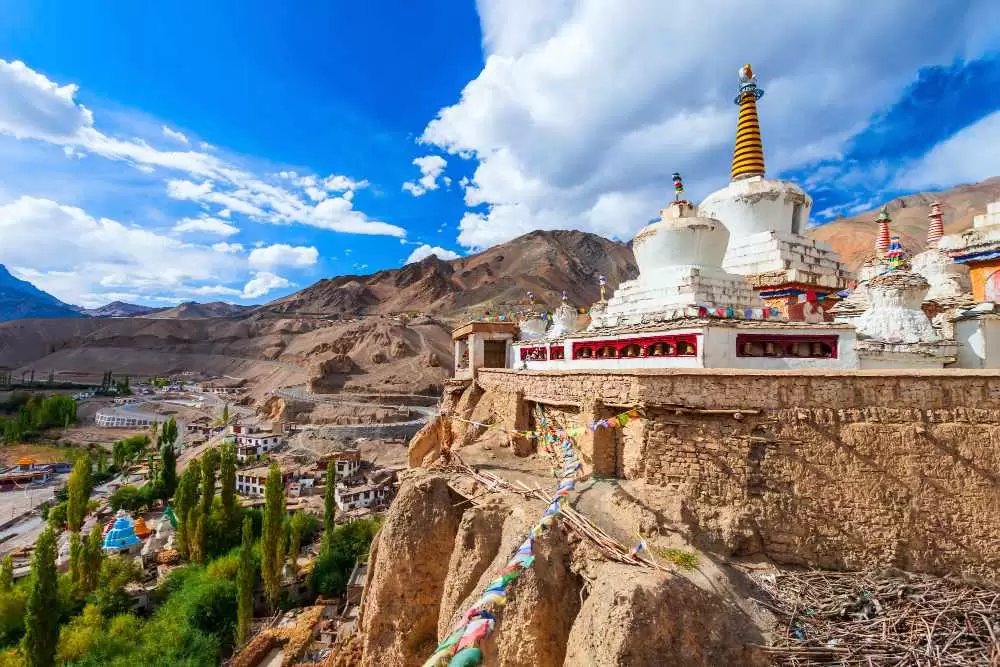
It is believed to be one of the earliest Buddhist sites in the Himalayan region, making it an important stop in any Ladakh Travel Guide.
| Feature | Details |
|---|---|
| Location | Sani Village, Zanskar Valley |
| District | Kargil, Ladakh |
| Altitude | ~3,600 meters |
| Founded | 2nd century CE (traditional belief) |
| Buddhist School | Drukpa Kagyu |
| Founder | Associated with Emperor Kanishka (legend) |
| Best Time to Visit | May to September |
| Entry Fee | Free |
| Timings | 6:00 AM – 6:00 PM |
| Photography Rules | Allowed outside, restricted inside halls |
| Nearby Attractions | Padum, Karsha Monastery, Stongdey Monastery |
| Distance from Leh | ~230–250 km |
History of Sani Monastery
Founding History
The monastery is believed to date back to the Kushan period (around 2nd century CE), making it one of the oldest Buddhist structures in Ladakh.

 10°C
10°C
- Temperature
- Rain Chance
- Wind

Founder and Lineage
It is traditionally linked to Emperor Kanishka, a great patron of Buddhism. Over time, it became part of the Drukpa Kagyu tradition.
Historical Importance
- Development of Kanika Stupa
- Growth of Buddhism in Zanskar
- Integration into Ladakh’s monastic network
- Ongoing restoration efforts
Legends
Local belief says the stupa contains sacred relics of great Buddhist masters, giving the site strong spiritual power.
Architecture and Design
Exterior Design
The monastery features traditional Ladakhi architecture with whitewashed walls and wooden detailing.
Prayer Halls
The main hall is used for daily prayers and rituals performed by monks.
Murals and Thangkas
Ancient murals and thangkas depict Buddhist teachings and deities.
Statues
Key statues include:
- Lord Buddha
- Guru Padmasambhava
- Protective deities
Layout
- Main temple
- Assembly hall
- Monk residences
- Courtyard and stupa area
Religious Significance
Sani Monastery plays an important role in preserving Buddhist teachings in Zanskar.
- Follows Drukpa Kagyu tradition
- Important meditation site
- Daily chanting and rituals
- Spiritual center for local communities
What to See Inside Sani Monastery
- Ancient Kanika Stupa
- Main prayer hall
- Buddha statues
- Murals and frescoes
- Monastic living quarters
- Courtyards
- Sacred relic areas
- Scenic valley viewpoints
Festivals at Sani Monastery
Sani Naro-Nasjal Festival
- Celebrated in summer (July–August)
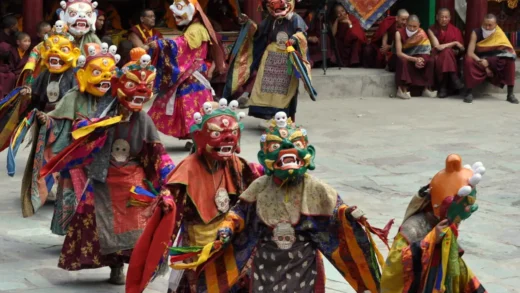
- Features Cham mask dances
- Ritual offerings and prayers
- Cultural performances
- Attracts locals and travelers
Things to Do at Sani Monastery
- Explore ancient stupa complex
- Attend morning prayers
- Photography of monastery architecture
- Walk around Sani village fields
- Meditate in peaceful surroundings
- Explore nearby Zanskar attractions
Photography Guide
Best Spots
- Kanika Stupa courtyard
- Valley-facing monastery edges
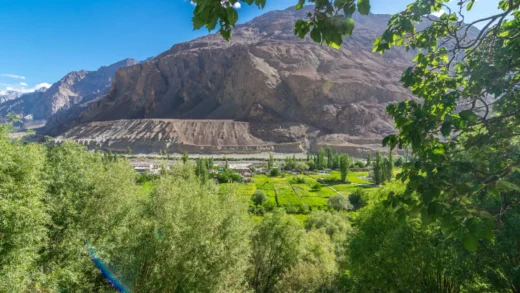
- Village landscape views
Sunrise & Sunset
Golden light enhances the monastery’s peaceful atmosphere.
Drone Rules
Drone usage requires permission and may be restricted.
Etiquette
- No flash inside prayer halls
- Ask permission before photographing monks
- Respect sacred areas
How to Reach Sani Monastery
By Air
Nearest airport is Leh Airport. From there, travel via road to Zanskar.
By Road
Leh → Kargil → Padum → Sani Village
By Bike
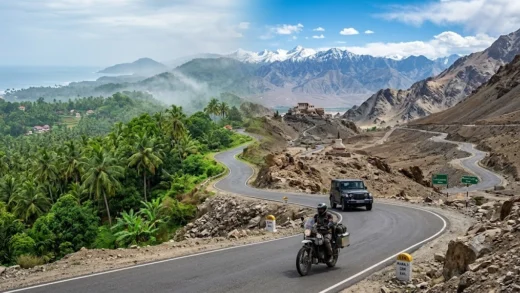
Popular adventure route during summer months.
By Taxi
Private taxis from Leh or Kargil are most convenient.
By Public Transport
Limited buses operate up to Padum; local taxis required further.
Distance Chart
| Destination | Distance |
|---|---|
| Leh | ~230–250 km |
| Kargil | ~170 km |
| Lamayuru | ~160 km |
| Alchi | ~200 km |
| Nubra Valley | ~350+ km |
| Pangong Lake | ~400+ km |
| Diskit | ~350+ km |
| Hanle | ~500+ km |
Best Time to Visit
Summer (May–June)
Best weather and road access.
Monsoon/Autumn (July–September)
Clear skies and festival season.
Winter (October–April)
Extreme cold and road closures.
Spring (April–May)
Melting snow and scenic views, but limited access.
Nearby Attractions
- Padum town
- Karsha Monastery
- Stongdey Monastery
- Zangla Fort
- Zanskar River
- Traditional Zanskar villages
Travel Tips
- Acclimatize in Leh before travel
- Carry warm clothing year-round
- Keep cash due to limited ATMs
- Mobile network is unreliable
- Respect monastery rules
- Avoid littering in valley areas
Lesser-Known Facts About Sani Monastery
- One of the few flat-ground monasteries in Ladakh
- Houses one of the oldest stupas in the Himalayas
- Strongly linked to early Buddhist missionary routes
- Important meditation site for ancient monks
- Festival traditions are centuries old
Why You Should Visit Sani Monastery
Sani Monastery offers a rare combination of history, spirituality, and untouched natural beauty. Unlike crowded tourist spots, it provides a peaceful experience deeply rooted in Buddhist culture and Ladakh’s heritage.
It is a must-visit destination for anyone exploring Things to Do in Ladakh or following a complete Ladakh Travel Guide.
Frequently Asked Questions
1. Where is Sani Monastery located?
In Sani Village near Padum in Zanskar, Ladakh.
2. What is Sani Monastery famous for?
Its ancient Kanika Stupa and historical significance.
3. How old is Sani Monastery?
Believed to date back to the 2nd century CE.
4. Which Buddhist tradition does it follow?
Drukpa Kagyu school.
5. When is the best time to visit?
May to September.
6. Is photography allowed?
Yes, but restricted inside prayer halls.
7. How far is it from Leh?
About 230–250 km.
8. Does it host festivals?
Yes, especially the Naro-Nasjal Festival.
9. Is there an entry fee?
No, entry is free.
10. Is it suitable for tourists?
Yes, but requires long road travel and planning.
Conclusion
Sani Monastery remains one of the most sacred and historically rich Monasteries in Ladakh. Its ancient origins, peaceful environment, and cultural importance make it a standout destination in Ladakh Tourism.
For travelers seeking authenticity, silence, and spirituality, this monastery offers an unforgettable Himalayan experience.