

Chutagi is a traditional, hearty Ladakhi comfort food often described as “Himalayan pasta.” The name translates to “water bread” (chu means water, tagi means bread). It consists of distinctive, hand-rolled, bow-tie-shaped wheat or barley pasta simmered in a rich, savory broth loaded with potatoes, carrots, local leafy greens, and often mutton
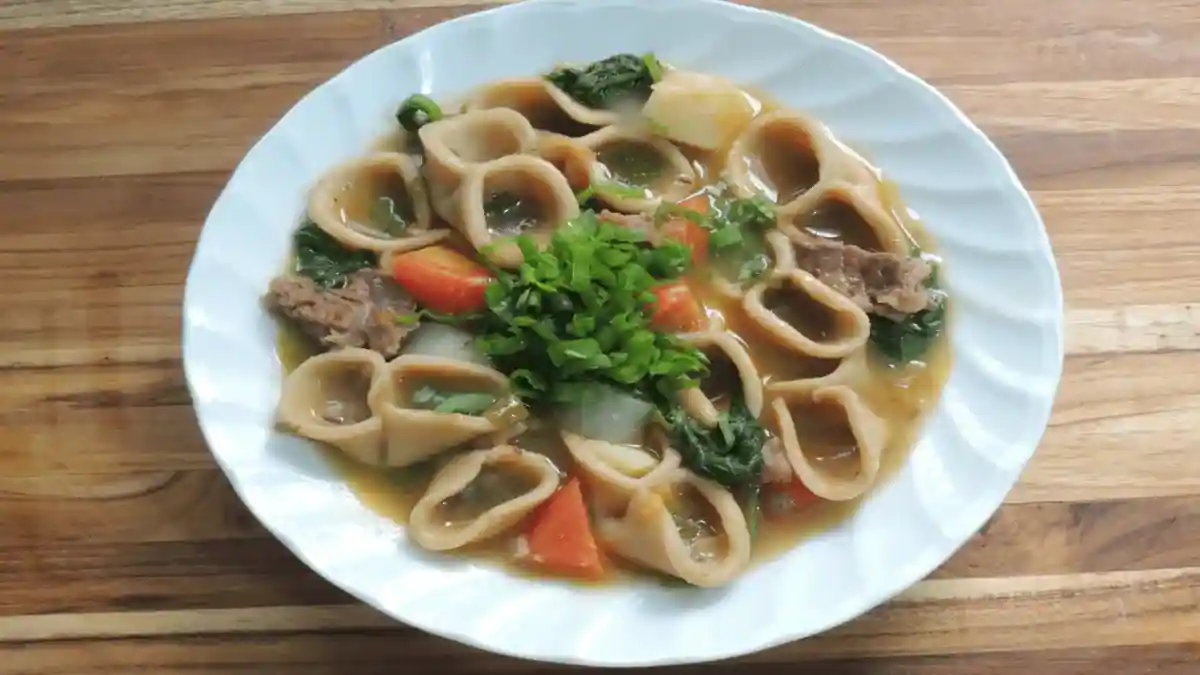
Chutagi is one of the most comforting and beloved dishes from the Himalayan region of Ladakh in northern India. Often described as Ladakh’s version of pasta soup, this hearty meal combines handmade wheat dumplings with fresh vegetables in a flavorful broth. Perfect for the region’s cold climate, Chutagi has been a staple in Ladakhi households for generations.
Today, Chutagi has gained popularity among travelers seeking authentic Himalayan cuisine. Its wholesome ingredients, unique appearance, and comforting taste make it a must-try dish for anyone visiting Ladakh.

 5°C
5°C
- Temperature
- Rain Chance
- Wind


What is Chutagi?
Chutagi is a traditional Ladakhi soup made with hand-shaped wheat flour dumplings cooked in a rich vegetable or meat broth. The dumplings are often folded into distinctive bow-tie or leaf-like shapes, giving the dish its unique identity.
The soup typically includes seasonal vegetables such as potatoes, carrots, spinach, peas, and onions. Some versions also feature mutton or yak meat for added richness. Aromatic spices like garlic, ginger, cumin, and black pepper enhance the broth without overpowering its natural flavors.
The taste of Chutagi is mild, hearty, and satisfying. It reflects Ladakh’s culinary philosophy of creating nourishing meals from simple, locally available ingredients. More than just food, Chutagi represents hospitality and family traditions, often served during gatherings and special occasions.
Origin and History
Chutagi originates from the high-altitude region of Ladakh, where harsh winters and limited agricultural resources shaped local cuisine. For centuries, residents relied on wheat, barley, root vegetables, and livestock to prepare filling meals capable of providing warmth and energy.
The handmade dumplings in Chutagi are believed to have evolved from traditional methods of maximizing simple ingredients while creating nutritious meals. The dish also reflects cultural exchanges along the historic Silk Route, where influences from Central Asia and Tibet blended with local cooking traditions.
Although modern kitchens now use contemporary cookware and ingredients, the traditional recipe remains largely unchanged. Families continue passing down techniques for shaping the dumplings by hand, preserving an important part of Ladakhi culinary heritage.
Ingredients
Chutagi uses simple yet nutritious ingredients that are readily available in the Himalayan region.
Main Ingredients
- Wheat flour
- Water
- Potatoes
- Carrots
- Spinach
- Green peas
- Onions
- Garlic
- Ginger
- Vegetable or meat stock
- Salt
- Black pepper
- Cumin
- Fresh coriander (optional)
Some recipes also include:
- Mutton
- Yak meat
- Turnips
- Tomatoes
- Spring onions
- Butter or ghee
The ingredients may vary depending on the season and local availability.
How It Is Prepared
Preparing Chutagi begins with making a soft dough using wheat flour and water. After resting, the dough is rolled into thin sheets and cut into small circles or squares. Each piece is carefully pinched and folded into decorative bow-tie or leaf-like shapes.
Meanwhile, vegetables are sautéed with garlic and ginger before being simmered in vegetable or meat broth. Once the broth is flavorful, the handmade dumplings are added directly to the pot.
The dumplings cook until tender, absorbing the rich flavors of the soup. Fresh herbs may be sprinkled on top before serving, creating a warm and satisfying one-pot meal that is especially enjoyable during cold weather.
Variations
Like many traditional dishes, Chutagi has several regional and modern adaptations.
Vegetarian Chutagi
Prepared entirely with vegetable stock and seasonal vegetables, this version is popular in homes and restaurants catering to vegetarian travelers.
Mutton Chutagi
Tender pieces of mutton are simmered with the broth, making the soup richer and more filling.
Yak Meat Chutagi
In remote Himalayan villages, yak meat may be used, offering a deeper and more distinctive flavor.
Modern Restaurant Versions
Many cafés and hotels in Leh add mushrooms, herbs, or locally grown vegetables while maintaining the traditional dumpling-making technique.
Why You Should Try It
Chutagi offers much more than a delicious meal.
- It provides an authentic taste of Ladakhi culture.
- The handmade dumplings give the dish a distinctive texture.
- The warm broth is ideal for Ladakh’s cold climate.
- Fresh vegetables make it a wholesome and nutritious choice.
- It showcases generations of Himalayan culinary traditions.
- It is comforting, filling, and suitable for both vegetarians and meat lovers.
Unlike heavily spiced Indian curries, Chutagi highlights natural flavors, making it appealing to international travelers looking for regional specialties.
Where to Try It
The best place to enjoy authentic Chutagi is in Leh, the capital of Ladakh, where numerous traditional restaurants and homestays prepare the dish using family recipes.
Other excellent places include:
- Traditional Ladakhi homestays across Nubra Valley
- Villages in Sham Valley
- Guesthouses in Alchi
- Local cafés in Leh Market
- Cultural food festivals held during the tourist season
Many eco-tourism lodges and heritage hotels also feature Chutagi on their seasonal menus, giving visitors an opportunity to experience genuine Ladakhi hospitality.
Chutagi is a classic Ladakhi comfort dish made of distinct bow-tie shaped whole-wheat pasta cooked in a rich, hearty soup, it is one of Ladakh’s finest traditional dishes, combining handmade wheat dumplings, fresh vegetables, and a flavorful broth into a nourishing meal. Deeply rooted in Himalayan culture, it reflects the region’s history, climate, and resourceful cooking traditions. Whether you’re exploring the mountains of Ladakh or simply discovering regional Indian cuisine, Chutagi offers an authentic culinary experience that is both comforting and memorable. For anyone seeking genuine Ladakhi food, this traditional pasta stew deserves a place at the top of your must-try list.
FAQs
Is Chutagi vegetarian?
Yes. Traditional Chutagi is often vegetarian, although some versions include mutton or yak meat.
What does Chutagi taste like?
It has a mild, savory flavor with soft handmade dumplings, fresh vegetables, and a comforting broth.
Is Chutagi similar to pasta?
The handmade dumplings resemble pasta, but the dish is uniquely Ladakhi in flavor, preparation, and cultural significance.
Can tourists easily find Chutagi in Ladakh?
Yes. Many restaurants, cafés, homestays, and hotels in Leh and surrounding villages serve Chutagi, especially during the tourist season.
Is Chutagi healthy?
Yes. It contains fresh vegetables, wheat dumplings, and a nutritious broth, making it a balanced and filling meal.
When is Chutagi usually eaten?
Chutagi is commonly enjoyed during lunch or dinner, particularly in winter when warm, hearty meals are most appreciated.