

Introduction
Mokthuk is one of Ladakh’s most comforting and satisfying traditional dishes, combining two beloved Himalayan favorites—steamed dumplings and hearty noodle soup. Popular across Ladakh and neighboring Tibetan regions, Mokthuk is especially enjoyed during the cold winter months when a warm, nourishing meal is essential.
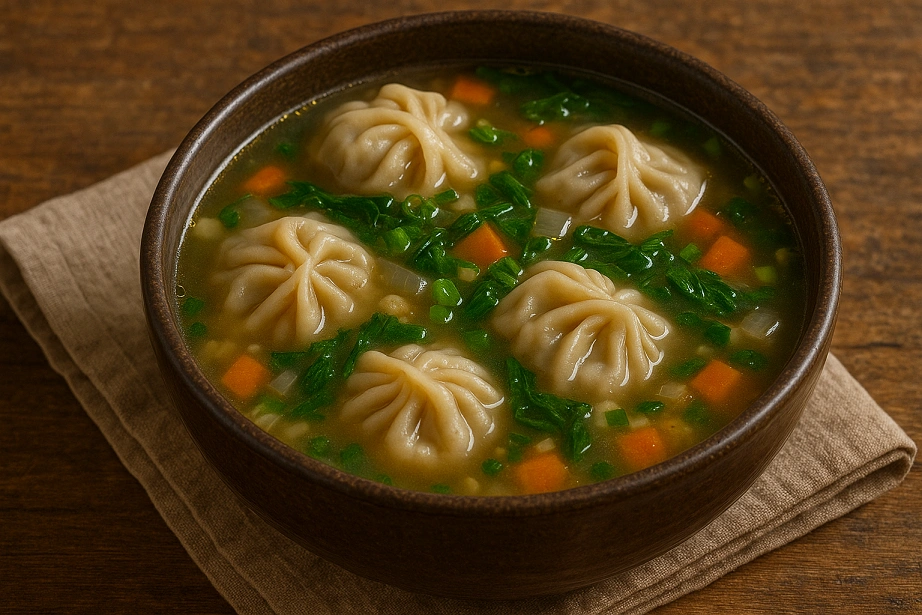
Made with handmade dumplings simmered in a rich, aromatic broth filled with vegetables and mild spices, Mokthuk offers the perfect balance of flavor, nutrition, and warmth. Whether you’re exploring the mountains of Ladakh or simply looking to experience authentic Himalayan cuisine, Mokthuk is a dish that deserves a place on your culinary bucket list.
What is Mokthuk?
Mokthuk is a traditional Ladakhi and Tibetan soup made by combining momos (dumplings) with a flavorful vegetable or meat broth. The name itself reflects its origins—”Mok” refers to dumplings, while “Thuk” comes from “Thukpa,” the famous Himalayan noodle soup. The result is a delicious fusion that brings together the best of both dishes.

 8°C
8°C
- Temperature
- Rain Chance
- Wind

The dumplings are typically filled with minced vegetables, yak meat, mutton, chicken, or beef, depending on local preferences. They are gently cooked in a lightly seasoned broth containing vegetables such as carrots, onions, cabbage, spinach, tomatoes, and spring onions.
The soup has a mildly spicy, savory taste with subtle aromas of garlic, ginger, and Himalayan herbs. Unlike heavily spiced curries, Mokthuk focuses on natural flavors, making it wholesome and easy to enjoy.
Beyond its taste, Mokthuk represents Ladakh’s resourceful mountain cuisine, where simple ingredients are transformed into nourishing meals suitable for high-altitude living.
Origin and History
Mokthuk has its roots in the culinary traditions of Ladakh and Tibet, where cold weather and limited agricultural resources shaped local food habits. Himalayan communities have long relied on filling, nutritious meals made from wheat, barley, meat, and seasonal vegetables.
As momos and Thukpa became staple dishes throughout the Himalayan region, local cooks began combining the two to create Mokthuk. This hearty meal provided warmth, hydration, and energy for farmers, traders, monks, and travelers crossing mountain passes.
Today, Mokthuk remains a favorite comfort food in Ladakhi homes, monasteries, family-run restaurants, and cafés. While modern versions have introduced new fillings and seasonings, the dish continues to preserve its authentic Himalayan character.
Ingredients
Although recipes vary from household to household, Mokthuk usually contains fresh, locally available ingredients.
Dumpling Ingredients
- Wheat flour
- Water
- Salt
- Vegetable or meat filling
- Onion
- Garlic
- Ginger
- Spring onions
Broth Ingredients
- Vegetable or chicken stock
- Carrots
- Cabbage
- Tomatoes
- Spinach
- Onion
- Garlic
- Ginger
- Black pepper
- Mild chili
- Coriander or local herbs
- Salt
Some traditional Ladakhi versions also include yak meat or homemade butter for added richness.
How It Is Prepared
Preparing Mokthuk involves two main steps: making the dumplings and preparing the soup.
Step 1: Prepare the Dough
A soft dough is made using wheat flour, water, and a pinch of salt. It is rested until smooth and elastic.
Step 2: Make the Filling
Finely chopped vegetables or minced meat are mixed with garlic, ginger, onions, spring onions, salt, and pepper to create a flavorful filling.
Step 3: Shape the Dumplings
The dough is rolled into small circles, filled with the mixture, and carefully folded into traditional momo shapes.
Step 4: Cook the Broth
Vegetables are sautéed with garlic and ginger before adding stock. The broth simmers until the vegetables become tender and flavorful.
Step 5: Add the Dumplings
Fresh dumplings are placed directly into the simmering soup, where they cook until soft and fully done.
Step 6: Serve Hot
The soup is garnished with chopped herbs or spring onions and served piping hot, often accompanied by chili sauce or homemade pickles.
Variations
Mokthuk has several regional and modern variations across the Himalayan region.
Vegetarian Mokthuk
Filled with cabbage, carrots, mushrooms, spinach, paneer, or potatoes, this version is commonly served in Buddhist households.
Meat Mokthuk
Prepared with yak meat, mutton, chicken, or beef, this version is richer and particularly popular during winter.
Tibetan Mokthuk
Often features stronger garlic flavors and a slightly thicker broth with traditional Tibetan seasonings.
Spicy Modern Mokthuk
Restaurants sometimes add chili oil, Schezwan sauce, mushrooms, tofu, or noodles for a contemporary twist while maintaining the original concept.
Why You Should Try Mokthuk
Mokthuk offers much more than a simple bowl of soup.
Perfect for Cold Weather
The hot broth and freshly cooked dumplings provide warmth and comfort, making it ideal for chilly mountain climates.
Rich Yet Light
Despite being filling, Mokthuk isn’t heavy or overly oily. Its fresh ingredients make it nutritious and satisfying.
Authentic Himalayan Experience
The dish showcases the simplicity and practicality of Ladakhi cuisine while reflecting centuries-old culinary traditions.
Packed with Flavor
Each spoonful combines tender dumplings, savory broth, fresh vegetables, and aromatic herbs, creating a balanced and comforting meal.
Suitable for Everyone
With both vegetarian and meat options widely available, Mokthuk caters to a variety of dietary preferences.
Where to Try It
The best Mokthuk can be found in Ladakh, particularly in family-owned restaurants and traditional cafés.
Popular places include:
- Leh – Home to numerous cafés and local restaurants serving authentic Ladakhi cuisine.
- Nubra Valley – Homestays often prepare homemade Mokthuk using locally sourced ingredients.
- Diskit – Traditional eateries offer hearty bowls during the tourist season.
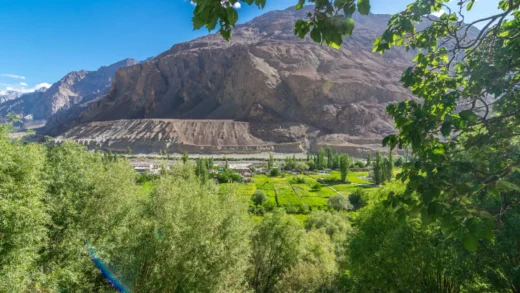
- Turtuk – Some guesthouses serve unique regional versions influenced by local traditions.
- Traditional Ladakhi Homestays – Many visitors consider homemade Mokthuk the most authentic experience.
Outside Ladakh, Mokthuk is also available in Tibetan restaurants located in cities like Delhi, Dharamshala, Gangtok, and parts of Nepal.
FAQs
Is Mokthuk the same as Thukpa?
No. Thukpa is primarily a noodle soup, while Mokthuk replaces noodles with handmade momos (dumplings), creating a unique combination of both dishes.
Is Mokthuk vegetarian?
It can be. Many restaurants offer vegetarian versions filled with cabbage, mushrooms, spinach, or potatoes alongside traditional meat-filled options.
What does Mokthuk taste like?
Mokthuk has a mild, savory flavor with tender dumplings, fresh vegetables, and an aromatic broth seasoned with garlic, ginger, and herbs.
Is Mokthuk spicy?
Traditionally, Mokthuk is only mildly spiced. However, diners can add local chili sauce or chili oil for extra heat.
When is Mokthuk usually eaten?
It is commonly enjoyed as lunch or dinner and is especially popular during winter because of its warming qualities.
Can Mokthuk be made at home?
Yes. With basic ingredients like flour, vegetables or meat, and homemade broth, Mokthuk can be prepared in a home kitchen with a little patience for making the dumplings.
Conclusion
Mokthuk is one of Ladakh’s finest comfort foods, combining the satisfying texture of handmade momos with the warmth of a flavorful Himalayan soup. Deeply rooted in Ladakhi and Tibetan culinary traditions, it reflects the region’s emphasis on simple, nourishing ingredients that sustain life in high-altitude environments.
Whether you’re traveling through the breathtaking landscapes of Ladakh or recreating Himalayan cuisine at home, Mokthuk offers an authentic taste of mountain hospitality. Its rich broth, tender dumplings, and wholesome ingredients make it a memorable dish that perfectly captures the warmth and heritage of the Himalayas.