
Turtuk Village
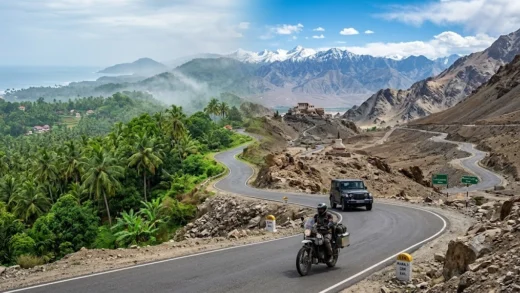
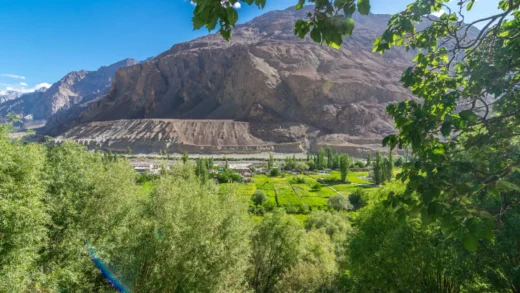
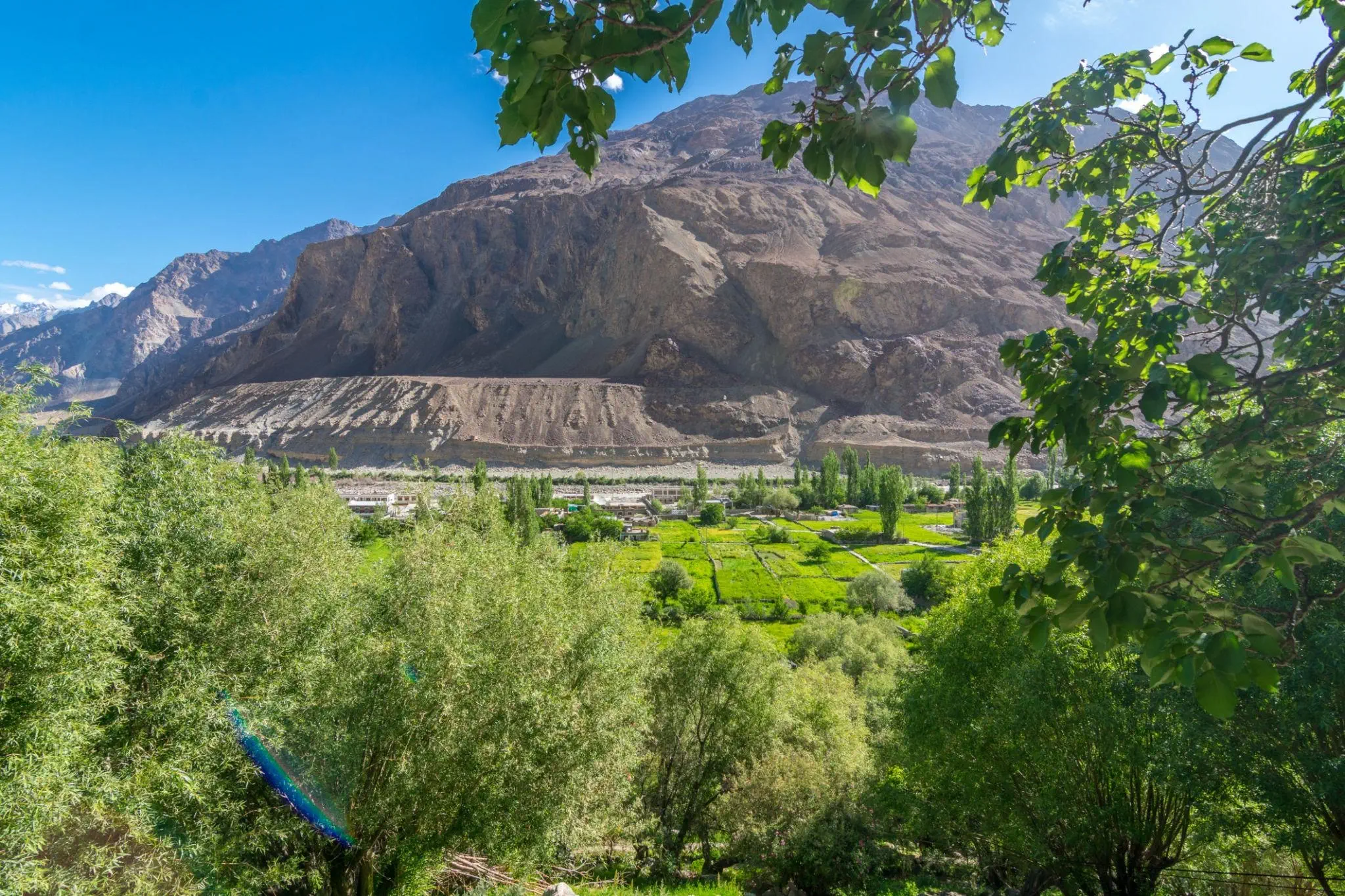
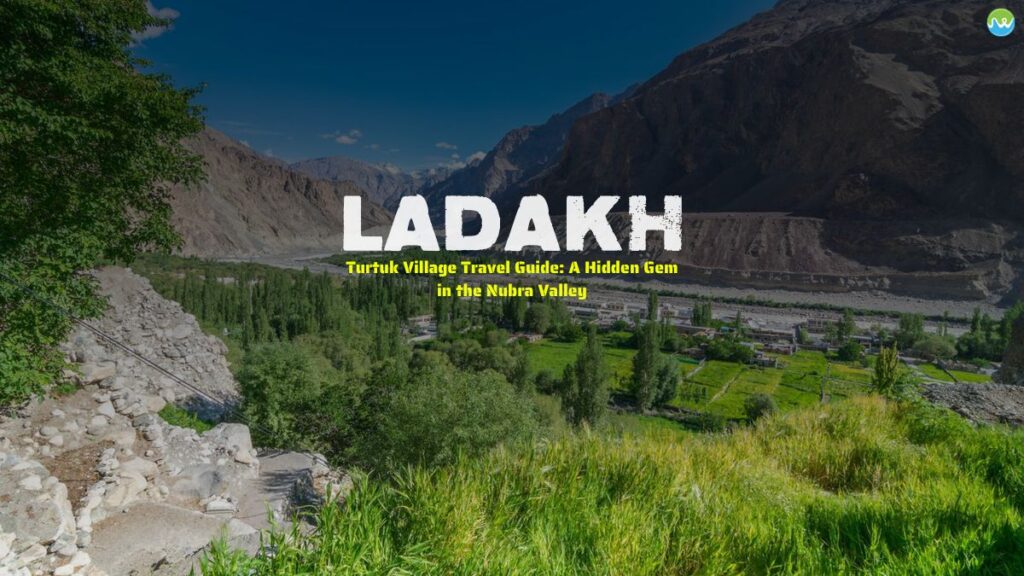
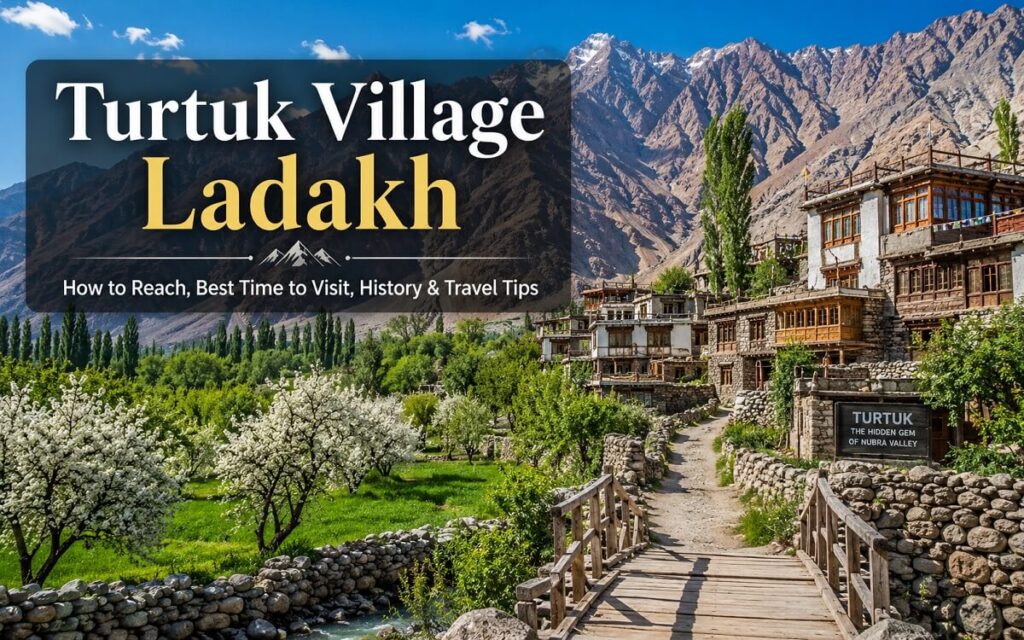
Turtuk is the northernmost village in India, located in the Nubra Valley of Ladakh along the banks of the Shyok River. Turtuk (Turtok) is a culturally unique village near the Pakistan border, known for Balti heritage, greenery, and apricot orchards. It offers one of Ladakh’s most distinctive travel experiences.
| Village Name | Turtuk |
| District | Leh Ladakh |
| Sub-Division | Nubra |
| Block | Turtuk |
| Ethnic People | Balti (Tibetan-Baltic origin) |
| Population (Approx) | 4,000–4,500 |
Turtok: A culturally rich village opened to tourism, known for Balti heritage. | One of Ladakh’s most unique village.
Key Highlights
- Turtuk was opened to tourists in 2010. The village offers views of the Shyok Valley.
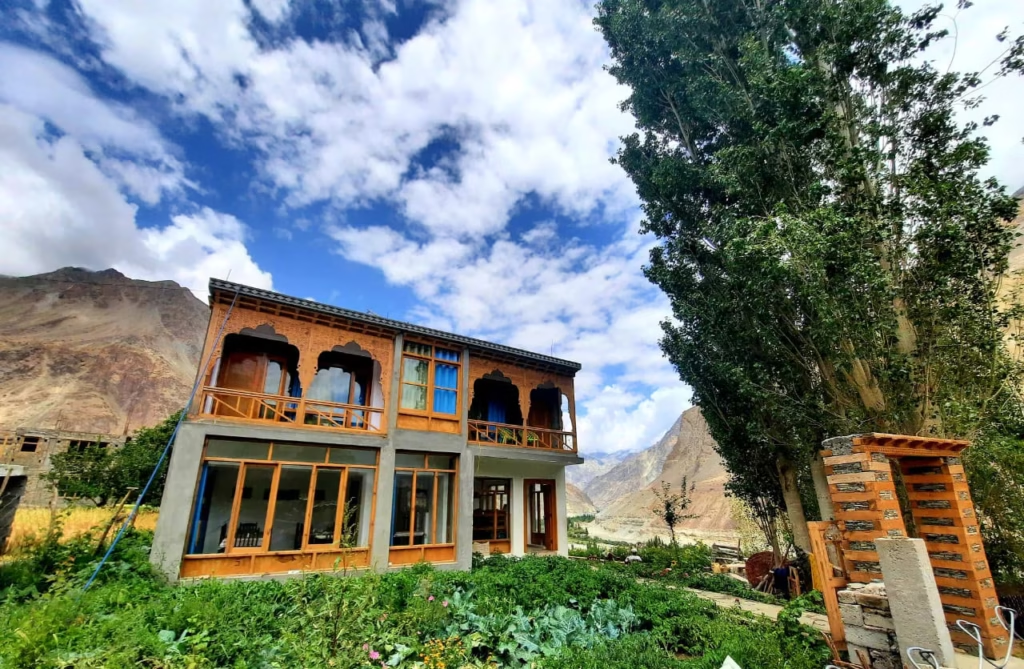
- Turtuk is one of the few places in India where one can witness Balti culture, and one can find a few homestays and guest houses in the village.
- Turtuk is one of five Balti-populated villages under Indian control
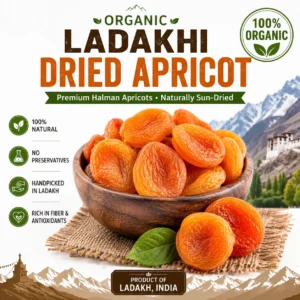
- Turtuk is known for its fruit, especially apricots.
- It is the last major village where tourist activity is allowed before the Line of Control.
Landscape
Leh is the largest district in the country in terms of area. It is one of the coldest and most elevated inhabited region of the world having 112 inhabited and 1 uninhabited villages.

 -1°C
-1°C
- Temperature
- Rain Chance
- Wind




| Distance from Leh | 205 km |
| Scenic Landscape & Environment | Green oasis in Nubra Valley |
| Culture & Lifestyle | Unique Balti culture and cuisine |
Things To Do in Turtuk Village
The top things to do in Turtuk Village center around exploring its unique Balti culture, royal history, stunning mountain landscapes, and proximity to the India-Pakistan border.
Visit the Yabgo Palace and Museum: Step inside the Yabgo Palace and Museum located in Turtuk Youl, where the descendants of the Yabgo Dynasty still live. For a nominal entry fee, the local royal heir often personally shows visitors historical artifacts, armor, and centuries-old documents tracing their ancestry to Baltistan.
Explore the Balti Heritage Museum and Cultural Centre: Wander through a 140-year-old traditional wooden structure in Farol. The Balti Heritage Museum and Cultural Centre exhibits traditional costumes, ancient everyday heirlooms, and documents that vividly chronicle how life changed overnight after the 1971 war.
Cross the Historic Wooden Bridges: Take a walk across the structural landmarks like the Rzaba-Turtuk Bridge. These suspension bridges split the village sections and offer great views of the rushing Shyok River against the Karakoram range.
See the Natural Cold Storage Sites: Witness the local ingenuity at the Natural Cold Storage. The villagers utilize small, semi-underground stone rooms—cooled by natural, glacial air streams—to preserve butter, meat, and vegetables during the hot summer months.
Hike up to the Turtuk Monastery: Cross the river fields and take a brief trek up to the peaceful Turtuk Monastery. It provides a spectacular, panoramic bird’s-eye view of the entire valley and a distant glimpse of the K2 peak on clear days.
Trek to the Turtuk Waterfall: For adventure seekers, embark on a steep and challenging out-and-back trail to the Turtuk waterfall. The path climbs high into the rocky cliffs, taking you past a mountainside mosque.
Key Attractions
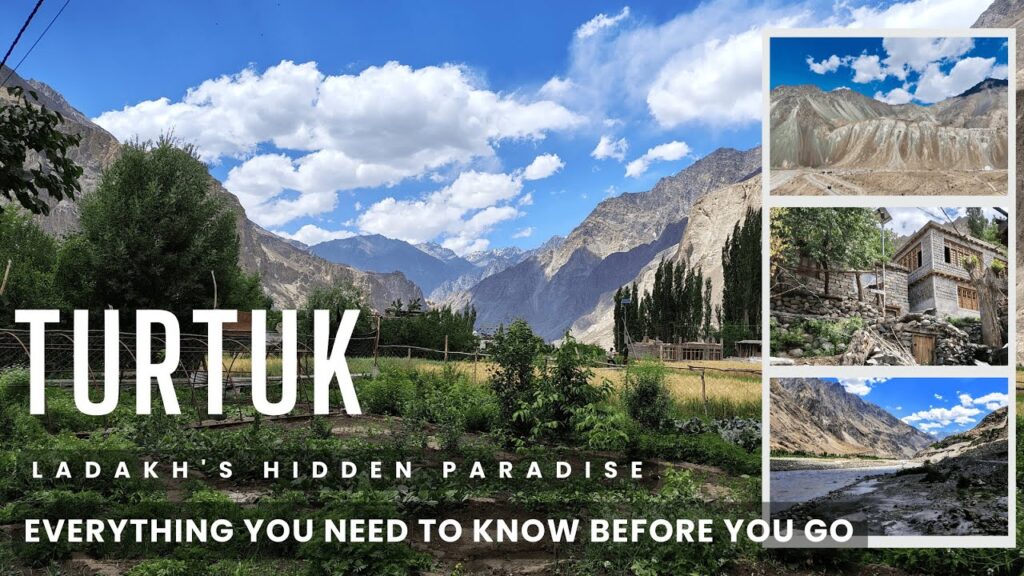
- Apricot Orchards: Turtuk is famously referred to as the “Apricot Capital of Ladakh.” The village is blanketed in fruit orchards, walnut trees, and vibrant green fields during the summer months.
- Turtuk Monastery: A small monastery situated on a hill that offers a sweeping, bird’s-eye view of the village, the Shyok river, and the surrounding Karakoram peaks.
- Thang Village: Located just a few kilometers further, this is the last viewpoint in the area where travelers can use binoculars to observe the border and the regions across the Line of Control.
Unknown & Lesser-Known Facts About Turtuk Village
1. One of India’s Northernmost Villages
Turtuk is among the northernmost civilian villages in India, located just a few kilometers from the Line of Control (LoC).
2. It Became Part of India Only in 1971
Unlike most of Ladakh, Turtuk was under Pakistani administration until the 1971 Indo-Pak War. It was incorporated into India after Indian forces captured the area.
3. The Last Village Before Baltistan
Turtuk was historically part of Baltistan. The villages beyond the LoC are culturally similar but are now in Pakistan-administered Baltistan.
4. Ladakh’s Only Balti Muslim Village Open to Tourists
While most of Ladakh follows Buddhism, Turtuk is predominantly Muslim and preserves the unique Balti culture, language, traditions, and architecture.
5. Balti Language Uses Tibetan Roots
Although most residents follow Islam, the Balti language belongs to the Tibetic language family and has deep historical links to Tibetan civilization.
6. A Royal Family Still Lives Here
Descendants of the former Yabgo rulers still live in Turtuk, preserving family heirlooms, manuscripts, and artifacts.
7. Apricot Capital of Nubra
Turtuk produces some of the sweetest apricots in Ladakh thanks to its comparatively mild climate and fertile soil.
8. Natural Glacier Water Irrigation
Ancient stone channels carry glacier meltwater to orchards and fields. Many of these traditional irrigation systems have been functioning for centuries.
9. It Was Closed to Tourists Until 2010
For decades, civilians could not visit Turtuk because of its strategic military location.
10. Different Climate from Leh
Despite being in Ladakh, Turtuk is noticeably warmer and greener than Leh due to its lower elevation and the Shyok River valley.
11. No Traditional Whitewashed Monasteries
Unlike much of Ladakh, Turtuk’s skyline is dominated by mosques and Balti homes rather than Buddhist monasteries.
12. Stone Houses Can Be Hundreds of Years Old
Many homes are built using traditional stone, mud, and timber construction techniques that naturally regulate indoor temperatures.
13. Women Traditionally Managed Orchard Economies
Historically, women played a major role in harvesting, drying, and trading apricots and walnuts.
14. Fresh Fruit in a Cold Desert
Unlike most of Ladakh, visitors can enjoy cherries, mulberries, apples, grapes, walnuts, and apricots during summer.
15. Karakoram Views Without Trekking
Turtuk offers spectacular views of the Karakoram Range, including peaks associated with the region around K2, even though K2 itself is not visible from the village.
16. Border Stories Are Part of Everyday Life
Many families have relatives across the LoC, and older residents remember life before the 1971 border changes.
17. Traditional Balti Cuisine Is Rare Elsewhere in India
Try local dishes such as:
- Buckwheat bread
- Apricot soup
- Balti butter tea
- Prapu (local pasta)
- Kholak (traditional bread)
18. Rich Birdlife
The orchards and riverbanks attract Himalayan birds including hoopoes, wagtails, finches, and migratory species.
19. One of India’s Cleanest Remote Villages
Residents have made significant efforts to keep the village clean while promoting sustainable tourism.
20. Time Feels Slower Here
There are no shopping malls, traffic lights, or nightlife. Daily life still revolves around farming, livestock, prayer, and seasonal harvests, giving visitors a glimpse of a way of life that has changed little over generations.
Bonus Fact
Many visitors come only for a day trip from Leh or Diskit, but staying overnight reveals Turtuk’s real charm—peaceful evenings, star-filled skies, local conversations, and sunrise over the Karakoram foothills.
Travel Tips
- Permit requirements: Carry an Inner Line Permit (ILP) or Protected Area Permit (PAP) along with 5 physical photocopies for army checkpoints.
- Cash dependency: Withdraw all necessary cash in Leh or Hunder as Turtuk has no functioning ATMs and digital payments (UPI) fail without internet.
- Connectivity limits: Expect no mobile data or internet access; only postpaid BSNL and Airtel SIM cards occasionally get basic calling signals.
- Offline maps: Download offline Google Maps of the Nubra Valley before leaving Leh to navigate without data network coverage.
- Erratic electricity: Power is usually only available via solar or generators from 7:00 PM to 11:00 PM; bring a high-capacity power bank.
- Essential packing: Bring a windproof jacket, thermal layers for cold nights, and sturdy walking shoes for steep, rocky village lanes.
- Cultural dress code: Respect the conservative local Balti Muslim culture by keeping your shoulders and knees covered while exploring.
- Photography etiquette: Always ask for explicit permission before taking photos of the villagers, especially women and children.
- Fuel planning: Refuel your vehicle completely at Karu or Diskit, as there are no official petrol pumps inside Turtuk village.
- Respect Local Customs: The people of Turtuk are predominantly Balti Muslims and hold conservative values.
Best Time to Visit
Best Time to Visit Turtok Village: May–September
Near By Places
| Nearest Airport | Kushok Bakula Rimpochee Airport |
| Nearest Bus Station / Stop | Turtuk Bus Stop |
| Nearest Hospital / Clinic | Sub District Hospital Diskit |
| Nearest Fuel Station | Indian Oil Petrol Pump Diskit |
Discover the timeless charm of Ladakh by exploring Turtok village, where tradition, landscapes, and culture come together to offer an authentic and enriching travel experience.
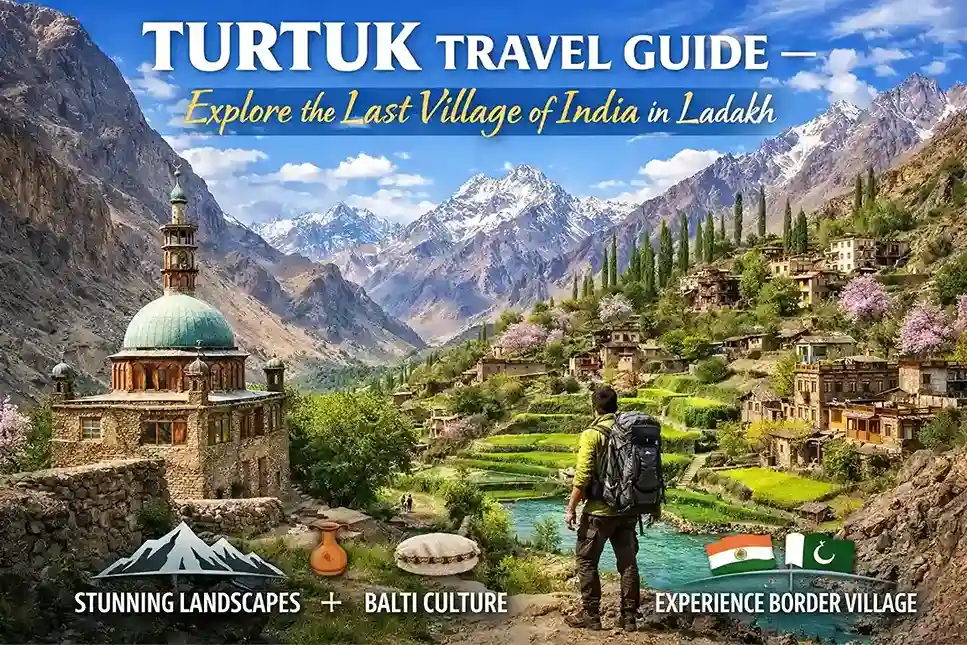
Why would you travel four hours from Ladakh’s Nubra Valley to see Turtuk, a far-flung Balti village sandwiched between nations? Find out why.
Frequently Asked Questions
1. Where is Turtuk Village located?
Turtuk is located in the Nubra Valley of Ladakh, around 205 km from Leh, near the Line of Control (LoC) with Pakistan.
2. Why is Turtuk famous?
Turtuk is famous for its Balti culture, scenic landscapes, apricot orchards, traditional stone houses, and its unique history as a village that became part of India after the 1971 Indo-Pak War.
3. Is Turtuk worth visiting?
Yes. Turtuk is one of Ladakh’s most unique destinations, offering a blend of history, culture, natural beauty, and warm Balti hospitality.
4. How far is Turtuk from Leh?
The distance from Leh to Turtuk is approximately 205 km, and the drive takes around 7–8 hours.
5. Can I visit Turtuk in one day?
A day trip is possible, but staying overnight is recommended to fully experience the village and its peaceful atmosphere.
6. What is the best time to visit Turtuk?
The best time to visit is from May to September, when the roads are open and the weather is pleasant.
7. Do I need an Inner Line Permit (ILP) for Turtuk?
Yes. Indian citizens require an Inner Line Permit to visit Turtuk. Foreign nationals should check the latest travel regulations before planning their trip.
8. Is Turtuk safe for tourists?
Yes. Turtuk is considered a safe destination, though visitors should always follow local guidelines because of its proximity to the international border.
9. What is the altitude of Turtuk?
Turtuk is situated at an altitude of approximately 3,001 meters (9,846 feet) above sea level.
10. What language do people speak in Turtuk?
The local people primarily speak Balti, along with Ladakhi, Urdu, Hindi, and many also understand English.