

Introduction
Tapu is one of Ladakh’s lesser-known yet deeply traditional foods that reflects the region’s resourceful mountain cuisine. Prepared mainly from roasted barley flour, this hearty dish has nourished generations of people living in the cold, high-altitude deserts of Ladakh. Rich in nutrients and simple to prepare, Tapu showcases how local communities make the most of limited ingredients while creating satisfying and flavorful meals.
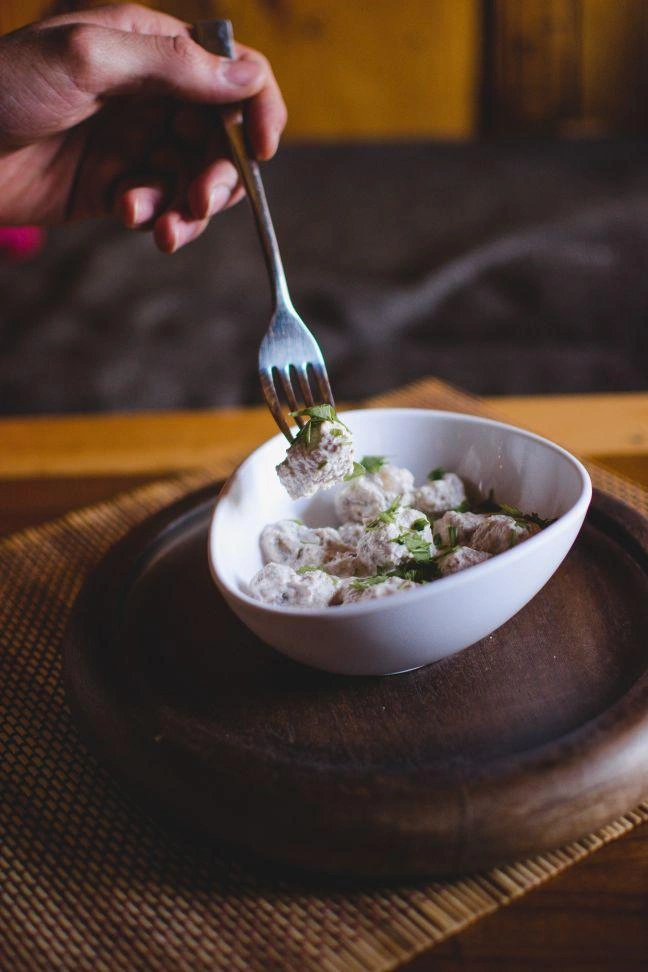
Although it is not as widely recognized as momos or thukpa, Tapu remains an important part of Ladakhi culinary heritage and is still enjoyed in many rural households during family meals and traditional gatherings.
What is Tapu?
Tapu is a traditional Ladakhi dish made primarily from roasted barley flour, often mixed with water, butter, or local dairy products to form soft dumplings or dough-like portions. Depending on the family recipe, it may be served with vegetable broth, meat stew, or curd, making it a filling and nutritious meal.

 14°C
14°C
- Temperature
- Rain Chance
- Wind



The taste of Tapu is mild, earthy, and slightly nutty due to the roasted barley. The addition of yak butter, homemade cheese, or flavorful broths enhances its richness without overpowering its natural grain flavor.
In Ladakhi culture, barley has long been considered a staple crop because it grows well in the harsh Himalayan climate. Tapu represents the close relationship between the local people and their environment, highlighting sustainability, simplicity, and nourishment.
Origin and History
Tapu originates from the Himalayan region of Ladakh, where barley has been cultivated for thousands of years. Due to the area’s short growing season and challenging weather conditions, barley became one of the few reliable crops capable of surviving at high elevations.
Historically, Ladakhi families relied on barley-based foods to sustain themselves during long winters. Tapu evolved as an easy-to-prepare meal requiring very few ingredients while providing lasting energy for farming, herding, and daily life.
Over time, each village and family developed its own methods of preparing Tapu. While modern diets have introduced many new foods to Ladakh, this traditional dish continues to be valued for its nutritional benefits and cultural significance.
Ingredients
Tapu uses a handful of wholesome ingredients that are commonly available in Ladakh.
Main Ingredients
- Roasted barley flour
- Water
- Salt
- Yak butter or regular butter
- Homemade yogurt or curd (optional)
- Vegetable or meat broth
- Fresh herbs
- Local cheese (optional)
Some households also add cooked vegetables, dried herbs, or pieces of meat depending on availability and personal preference.
How It Is Prepared
Preparing Tapu is relatively simple and reflects the practical cooking methods of Ladakhi households.
- Roasted barley flour is placed in a bowl.
- Warm water is gradually added while mixing until a soft dough forms.
- Small dumplings or portions are shaped by hand.
- The dumplings are gently cooked in boiling broth or water.
- Once fully cooked, they are served with butter, yogurt, cheese, or rich meat or vegetable stew.
Some families prepare a thicker dough, while others prefer softer dumplings that absorb the flavors of the accompanying broth.
Variations
Like many traditional recipes, Tapu has several regional and household variations.
Traditional Tapu
The simplest version contains only roasted barley flour, water, and salt, served with butter or curd.
Meat Tapu
Some families cook the dumplings in mutton or yak broth, creating a richer and more filling meal.
Vegetable Tapu
Modern vegetarian versions include carrots, spinach, potatoes, or turnips in the broth.
Butter-Rich Version
Special occasions often feature generous amounts of yak butter or local cheese, giving the dish a creamy texture and richer flavor.
Contemporary Adaptations
Some restaurants now serve Tapu with modern soups, mushroom broths, or fusion Himalayan sauces while preserving its traditional barley base.
Why You Should Try It
Tapu offers a genuine taste of Ladakhi culture that cannot be found in most mainstream restaurants.
Reasons to try Tapu include:
- Authentic Himalayan comfort food
- Nutritious and naturally high in fiber
- Made from locally grown roasted barley
- Mild flavor suitable for many palates
- Represents centuries of Ladakhi culinary tradition
- Ideal for cold weather due to its warming qualities
- A sustainable dish using locally sourced ingredients
Its simple preparation and wholesome ingredients make Tapu both comforting and culturally meaningful.
Where to Try It
Tapu is most commonly found in traditional homes and local guesthouses throughout Ladakh rather than commercial restaurants.
Some of the best places to experience authentic Tapu include:
- Villages around Leh
- Nubra Valley
- Sham Valley
- Homestays in remote Ladakhi villages
- Traditional food festivals in Ladakh
- Cultural tourism experiences featuring local cuisine
Travelers staying with local families often have the best opportunity to enjoy freshly prepared homemade Tapu made using traditional techniques.
FAQs
Is Tapu vegetarian?
Yes. Traditional Tapu is usually vegetarian, although it may also be served with meat broth or mutton depending on the household recipe.
What does Tapu taste like?
Tapu has a mild, nutty, earthy flavor from roasted barley. The accompanying butter, broth, or yogurt adds richness and depth.
Is Tapu healthy?
Yes. Tapu is rich in fiber, carbohydrates, and essential nutrients from barley. It provides long-lasting energy and is well suited to high-altitude climates.
Is Tapu gluten-free?
No. Since it is made primarily from barley, Tapu contains gluten and is not suitable for individuals with gluten intolerance or celiac disease.
When is Tapu usually eaten?
Tapu is commonly enjoyed as lunch or dinner, especially during colder months when warm, hearty meals are preferred.
Can tourists easily find Tapu?
Tapu is less common than dishes like thukpa or momos, but many Ladakhi homestays and traditional food experiences serve it upon request.
Conclusion
Tapu is a wonderful example of Ladakh’s resilient and sustainable food culture. Made from roasted barley flour and simple local ingredients, it delivers warmth, nutrition, and authentic Himalayan flavor in every bite. While it may not be as famous as other Ladakhi dishes, Tapu offers visitors a unique opportunity to experience the everyday traditions that have sustained mountain communities for generations.
Whether enjoyed in a village homestay or during a cultural food tour, Tapu provides an unforgettable taste of Ladakh’s rich culinary heritage.