
Introduction
Tingyak is one of the lesser-known yet deeply cherished traditional breads of Ladakh. Prepared in homes across the Himalayan region, this wholesome flatbread reflects the simplicity and resilience of Ladakhi cuisine. Made with locally grown grains such as barley or wheat, Tingyak has been a staple food for generations, providing warmth and nourishment in Ladakh’s cold, high-altitude climate.
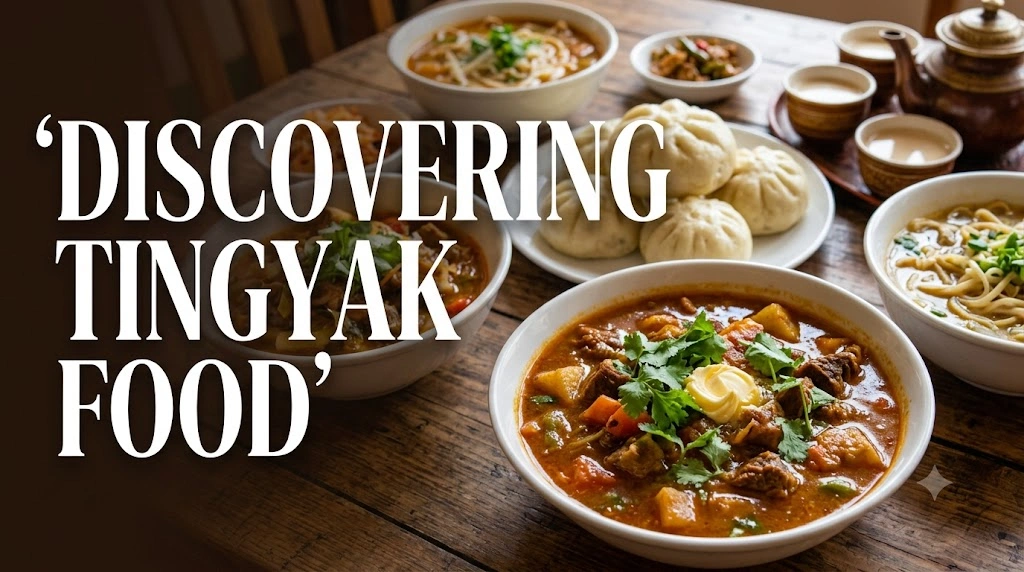
Although dishes like momos and thukpa have gained international recognition, Tingyak remains a hidden culinary gem that offers an authentic taste of Ladakhi heritage. Whether enjoyed with butter tea, vegetable stews, or meat curries, this rustic bread is a delicious reminder of the region’s agricultural traditions.
What is Tingyak?
Tingyak is a traditional Ladakhi flatbread made primarily from barley flour, wheat flour, or a combination of both. It is kneaded into a soft dough, shaped into thick rounds, and cooked on a hot griddle or baked until golden brown.

 6°C
6°C
- Temperature
- Rain Chance
- Wind


Unlike fluffy breads, Tingyak has a dense yet soft texture with a mildly nutty flavor, especially when prepared using roasted barley flour. Its simple ingredients allow it to pair perfectly with soups, curries, chutneys, and the famous Ladakhi butter tea.
Beyond its taste, Tingyak carries cultural significance. It represents self-sufficiency and the close relationship between the people of Ladakh and their harsh mountain environment. Families often prepare it fresh at home, particularly during festivals, family gatherings, and traditional meals.
Origin and History
Tingyak originates from the Himalayan region of Ladakh, where agriculture has long centered around hardy crops like barley due to the cold climate and short growing season.
Barley has been cultivated in Ladakh for thousands of years and remains one of the region’s most important grains. Traditional households developed recipes like Tingyak to create filling, nutritious foods that could sustain people through long winters and physically demanding work.
Historically, the bread was cooked over wood-fired stoves using locally milled flour. Each household had its own recipe, often passed down from one generation to the next. While modern kitchens have simplified the cooking process, Tingyak continues to preserve the flavors and traditions of old Ladakh.
Today, it is commonly served in family homes, local eateries, and cultural festivals celebrating Ladakhi cuisine.
Ingredients
One reason Tingyak remains popular is its simplicity. It requires only a handful of ingredients that are readily available.
Main Ingredients
- Barley flour
- Wheat flour (optional or mixed with barley)
- Water
- Salt
- Butter or ghee (optional)
- Baking soda or yeast (optional in modern recipes)
Some families also brush the bread with melted butter after cooking to enhance its flavor and keep it soft.
How It Is Prepared
Making Tingyak is straightforward, although traditional techniques require practice.
Step 1: Prepare the Dough
Barley and wheat flour are mixed with salt and water until a soft dough forms. Some recipes include a small amount of yeast or baking soda for a lighter texture.
Step 2: Rest the Dough
The dough is left to rest for about 20–30 minutes, making it easier to shape.
Step 3: Shape the Bread
Small portions are rolled into thick circular flatbreads.
Step 4: Cook
The bread is cooked on a hot griddle or traditional clay stove over medium heat. It is turned several times until both sides develop a golden crust while remaining soft inside.
Step 5: Serve
Fresh Tingyak is often brushed with butter or ghee and served warm alongside butter tea, lentil soup, vegetable curry, or meat dishes.
Variations
Although the traditional recipe remains the most common, Tingyak has evolved over time.
Classic Barley Tingyak
Made entirely from barley flour, this version has the richest nutty flavor and is considered the most authentic.
Mixed Flour Tingyak
Many households combine barley and wheat flour to create a softer bread that’s easier to knead and cook.
Butter Tingyak
Some families spread fresh butter or yak butter over the bread immediately after cooking, creating a richer taste.
Modern Healthy Version
Health-conscious cooks sometimes add flaxseeds, oats, herbs, or whole wheat flour for additional nutrition while preserving the bread’s traditional character.
Why You Should Try Tingyak
Tingyak offers much more than a simple piece of bread.
Its earthy, slightly nutty flavor complements almost every Ladakhi dish. Because it contains barley—a grain rich in fiber, vitamins, and minerals—it is both filling and nutritious.
Trying Tingyak also provides insight into Ladakh’s unique culinary traditions. Every bite reflects the region’s history, agricultural practices, and adaptation to life in one of the world’s highest inhabited regions.
Unlike commercially produced breads, Tingyak is handmade using natural ingredients and traditional methods, making it an authentic cultural experience for travelers.
If you enjoy exploring regional cuisines, Tingyak deserves a place on your food bucket list.
Where to Try It
The best Tingyak is usually found in Ladakh itself, where it is prepared fresh using locally grown grains.
Popular places to try Tingyak include:
- Traditional family-run homestays across Ladakh
- Local cafés in Leh serving authentic Ladakhi meals
- Cultural food festivals showcasing Himalayan cuisine
- Village guesthouses in Nubra Valley and Sham Valley
- Restaurants specializing in regional Ladakhi dishes
Visitors traveling through rural villages often enjoy the freshest homemade versions, accompanied by butter tea or hearty mountain stews.
FAQs
Is Tingyak vegan?
Yes. Traditional Tingyak is generally vegan when made without butter or ghee.
What does Tingyak taste like?
It has a mild, earthy, and slightly nutty flavor, especially when prepared with barley flour.
Is Tingyak healthy?
Yes. Barley is naturally high in fiber, minerals, and complex carbohydrates, making Tingyak a nutritious traditional bread.
What dishes are served with Tingyak?
It pairs well with butter tea, lentil soup, vegetable curries, meat stews, and traditional Ladakhi dishes.
Can Tingyak be made at home?
Absolutely. With barley flour, wheat flour, water, and salt, home cooks can easily prepare Tingyak using a skillet or griddle.
Is Tingyak available outside Ladakh?
It can occasionally be found in Himalayan restaurants or cultural food festivals, but the most authentic versions are still prepared in Ladakh.
Conclusion
Tingyak is a humble yet remarkable example of Ladakh’s rich culinary heritage. Made from wholesome local grains and prepared using time-honored methods, this traditional flatbread has nourished generations living in the Himalayas. Its hearty texture, subtle nutty flavor, and cultural significance make it much more than an everyday staple.
Whether you’re exploring Ladakh’s breathtaking landscapes or recreating Himalayan flavors at home, Tingyak offers an authentic taste of mountain life. Simple, nutritious, and deeply rooted in tradition, it’s a dish every food enthusiast should experience at least once.