

Introduction
Hidden in a peaceful valley of western Ladakh, Rizong Monastery is one of the region’s most serene and spiritually significant Buddhist monasteries. Unlike the more crowded monasteries in Ladakh, Rizong offers visitors a tranquil atmosphere where centuries-old Buddhist traditions continue to thrive. Surrounded by dramatic cliffs and pristine mountain landscapes, the monastery is often referred to as the “Paradise for Meditation.”
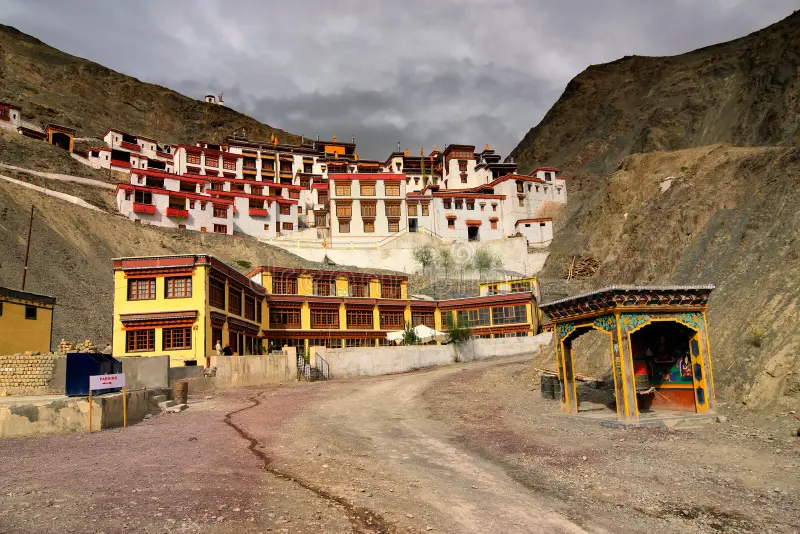
Founded in the early 19th century, Rizong Monastery is renowned for its strict monastic discipline, beautiful murals, sacred scriptures, and peaceful environment. Whether you’re interested in Buddhist culture, Himalayan history, photography, or spiritual retreats, Rizong Monastery is a must-visit destination in every Ladakh Travel Guide.
| Details | Information |
|---|---|
| Location | Rizong Village, Sham Valley, Leh District, Ladakh, India |
| District | Leh District |
| Altitude | Approximately 3,400 m (11,155 ft) |
| Founded | Around 1831 CE |
| Buddhist School | Gelug (Yellow Hat) School |
| Founder | Lama Tsultim Nima |
| Best Time to Visit | May to September |
| Entry Fee | Free (Donations are welcome) |
| Timings | 8:00 AM – 5:00 PM |
| Photography Rules | Outdoor photography is allowed; permission is required inside prayer halls |
| Nearby Attractions | Chulichan Nunnery, Alchi Monastery, Lamayuru Monastery, Basgo Monastery, Uleytokpo |
| Distance from Leh | Approximately 73 km |
History of Rizong Monastery
Founding History
Rizong Monastery was established around 1831 CE by the respected Buddhist master Lama Tsultim Nima. Seeking a secluded location for meditation and religious practice, he selected a remote valley surrounded by steep mountains that naturally encouraged silence and contemplation.

 10°C
10°C
- Temperature
- Rain Chance
- Wind

Founder and Lineage
Lama Tsultim Nima belonged to the Gelug School of Tibetan Buddhism, also known as the Yellow Hat tradition. His teachings emphasized strict discipline, meditation, simplicity, and Buddhist philosophy. The monastery continues to preserve his spiritual legacy today.
Important Historical Events
Over the decades, Rizong Monastery evolved into an important center for Buddhist education and meditation in western Ladakh. Despite changing political landscapes and harsh Himalayan winters, the monastery has preserved its traditions with minimal outside influence.
Role in Ladakh’s Buddhist Heritage
Among the many Buddhist Monasteries in Ladakh, Rizong is especially respected for maintaining strict monastic rules and preserving authentic Gelug traditions. It remains an important center for Buddhist learning and spiritual practice.
Legends and Folklore
According to local legends, the caves surrounding the monastery were once used by great Buddhist saints who meditated for many years. Locals believe the valley possesses powerful spiritual energy that continues to attract monks seeking enlightenment.
Architecture and Design
Exterior Architecture
Rizong Monastery is built dramatically against a rocky mountainside. Its traditional whitewashed walls, flat roofs, wooden windows, and compact buildings blend perfectly with the surrounding Himalayan landscape.
Prayer Halls
The monastery’s prayer halls feature beautifully painted pillars, intricate woodwork, rows of prayer cushions, butter lamps, and sacred altars used during daily rituals.
Ancient Murals
The walls display centuries-old murals illustrating scenes from the life of Buddha, Bodhisattvas, guardian deities, and Buddhist cosmology. These paintings remain among the monastery’s most treasured artistic features.
Thangkas
The monastery preserves several hand-painted Thangkas depicting Buddhist masters, mandalas, and important deities. These sacred scroll paintings are displayed during festivals and special ceremonies.
Statues
Visitors can admire beautifully crafted statues of:
- Shakyamuni Buddha
- Maitreya Buddha
- Je Tsongkhapa
- Avalokiteshvara (Chenrezig)
- Various Bodhisattvas and protector deities
Monastery Layout
The monastery complex includes:
- Main prayer hall
- Assembly hall
- Residential quarters
- Meditation rooms
- Library
- Courtyard
- Kitchen
- Store rooms
A short distance away is the Chulichan Nunnery, home to Buddhist nuns following similar spiritual traditions.
Unique Artistic Elements
Traditional Ladakhi wood carvings, colorful ceiling paintings, prayer wheels, handcrafted altars, and ancient manuscripts showcase the monastery’s artistic heritage.
Restoration Efforts
Periodic restoration projects have carefully preserved the monastery’s historic murals, wooden architecture, and valuable religious artifacts while maintaining its traditional appearance.
Religious Significance
Rizong Monastery follows the Gelug School of Tibetan Buddhism and is widely known for its strict monastic discipline.
Monks devote their lives to:
- Meditation
- Buddhist philosophy
- Daily prayers
- Scripture study
- Chanting ceremonies
- Religious education
Unlike many monasteries, Rizong emphasizes simplicity, self-discipline, and minimal worldly distractions. Daily rituals begin before sunrise and continue throughout the day with meditation, chanting, and study.
What to See Inside Rizong Monastery
Main Temple
The monastery’s central temple houses magnificent altars, sacred scriptures, and beautifully decorated Buddhist shrines.
Assembly Hall
The assembly hall serves as the heart of religious life where monks gather for daily prayers, teachings, and festivals.
Buddha Statues
Several impressive statues of Buddha, Tsongkhapa, and revered Buddhist masters can be found throughout the monastery.
Murals
Ancient murals vividly portray Buddhist teachings, deities, mandalas, and scenes from the Buddha’s life.
Library
The monastery library preserves rare Tibetan Buddhist scriptures, handwritten manuscripts, and ancient religious texts.
Courtyards
Quiet stone courtyards provide peaceful spaces where visitors can observe monastic life and enjoy the surrounding scenery.
Viewpoints
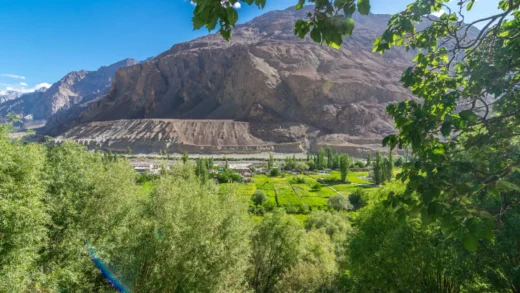
The monastery offers panoramic views of the rugged mountains, deep valleys, and untouched landscapes of Sham Valley.
Sacred Relics
Several sacred relics, ceremonial objects, and ritual instruments are displayed during important religious celebrations.
Festivals Celebrated at Rizong Monastery
Gustor Festival
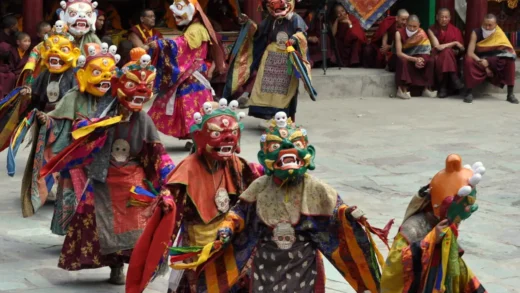
Although celebrated on a smaller scale than larger monasteries, the Gustor Festival remains one of the monastery’s most important religious events.
Highlights include:
- Traditional Cham (masked dances)
- Sacred prayers
- Ritual offerings
- Blessings by senior monks
- Traditional Buddhist music
- Community gatherings
Annual Prayer Ceremonies
Throughout the year, special ceremonies commemorate important Buddhist masters and religious occasions with chanting, meditation, and scripture recitations.
Visitors attending these festivals gain a deeper understanding of Ladakh’s rich Buddhist culture.
Things to Do at Rizong Monastery
- Explore one of Ladakh’s most peaceful monasteries.
- Observe monks performing daily rituals.
- Visit the nearby Chulichan Nunnery.
- Practice meditation in a serene Himalayan setting.
- Admire ancient Buddhist artwork and architecture.
- Capture breathtaking mountain landscapes.
- Learn about Gelug Buddhist traditions.
- Enjoy a scenic drive through Sham Valley.
- Visit nearby monasteries including Alchi and Lamayuru.
- Experience authentic Ladakhi spiritual culture.
Photography Guide
Best Photo Spots
Excellent photography locations include:
- Monastery entrance
- Courtyard
- Cliffside viewpoints
- Prayer flags
- Mountain backdrop
- Valley landscapes
Sunrise Photography
Morning sunlight gently illuminates the monastery against the surrounding mountains, creating soft and beautiful lighting.
Sunset Photography
Golden hour provides dramatic shadows and warm tones across the rocky landscape, making it ideal for landscape photography.
Drone Regulations
Drone photography generally requires permission from local authorities and monastery management. Flying drones without approval is discouraged near religious sites.
Photography Etiquette
- Always ask permission before photographing monks.
- Avoid flash photography inside temples.
- Respect restricted prayer areas.
- Maintain silence during ceremonies.
How to Reach Rizong Monastery
By Air
The nearest airport is Kushok Bakula Rimpochee Airport in Leh. From Leh, visitors can hire taxis or private vehicles to reach the monastery in approximately two hours.
By Road
Rizong Monastery is well connected by road via the Leh–Srinagar Highway through Uleytokpo before taking a smaller road into Rizong Valley.
By Bike
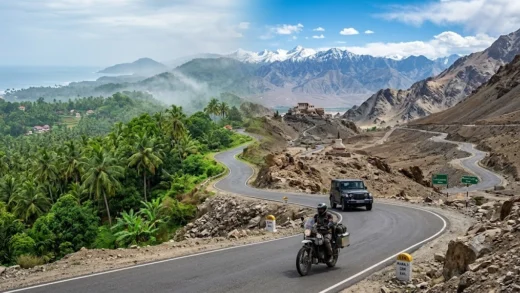
Motorcycle travelers often include Rizong Monastery as part of their Sham Valley road trip. Roads are mostly in good condition with scenic mountain views.
By Taxi
Private taxis are readily available in Leh and can be hired for half-day or full-day monastery tours.
By Public Transport
Limited buses operate toward Uleytokpo and nearby villages. Visitors may need a local taxi for the final stretch to the monastery.
Distance Chart
| Destination | Distance |
|---|---|
| Leh | 73 km |
| Nubra Valley | 195 km |
| Pangong Lake | 235 km |
| Lamayuru | 55 km |
| Kargil | 145 km |
| Alchi | 18 km |
| Diskit | 195 km |
| Hanle | 330 km |
Best Time to Visit
Summer (May to June)
Summer offers pleasant weather, clear skies, and comfortable temperatures, making it the ideal season for sightseeing and photography.
Autumn (September to October)
Autumn provides crisp mountain air, fewer tourists, and excellent visibility for panoramic Himalayan views.
Winter (November to March)
Snow transforms the monastery into a breathtaking winter landscape. However, freezing temperatures and occasional road closures can make travel challenging.
Spring (April)
Spring brings blooming vegetation, melting snow, and peaceful surroundings, although some mountain roads may still be affected by winter conditions.
Nearby Attractions
Several famous destinations can easily be combined with a visit to Rizong Monastery:
Chulichan Nunnery
Located close to Rizong, this peaceful nunnery houses Buddhist nuns dedicated to meditation and religious studies.
Alchi Monastery
One of Ladakh’s oldest monasteries, Alchi is famous for its Kashmiri-style murals and UNESCO-worthy artwork.
Lamayuru Monastery
Often called the “Moonland Monastery,” Lamayuru is one of Ladakh’s oldest and most spectacular monasteries.
Basgo Monastery
Known for its historic fortress and ancient temples, Basgo showcases Ladakh’s royal history.
Uleytokpo
A scenic riverside village offering camping, nature walks, and beautiful views of the Indus River.
Travel Tips
- Spend at least two days acclimatizing in Leh before visiting.
- Carry warm clothing throughout the year.
- Wear comfortable walking shoes.
- Maintain silence inside prayer halls.
- Ask permission before taking indoor photographs.
- Donations help support monastery maintenance.
- Mobile connectivity is limited.
- Carry sufficient cash, as ATMs are available only in Leh.
- Bring drinking water and snacks for the journey.
Lesser-Known Facts About Rizong Monastery
- Rizong Monastery is considered one of the strictest monasteries in Ladakh.
- It is often called the “Paradise for Meditation.”
- Monks traditionally lead simple lives with minimal possessions.
- Nearby meditation caves are still occasionally used by monks.
- Chulichan Nunnery follows the same Gelug tradition.
- The monastery receives fewer tourists than many other monasteries, offering a peaceful experience.
- Wildlife including Himalayan birds and blue sheep can occasionally be seen nearby.
Why You Should Visit Rizong Monastery
Rizong Monastery offers an unforgettable combination of spirituality, history, and Himalayan beauty. Unlike more crowded monasteries in Ladakh, it provides a peaceful environment where visitors can experience authentic Buddhist traditions in their original setting. From ancient murals and sacred scriptures to breathtaking mountain views and disciplined monastic life, every aspect of Rizong Monastery reflects the timeless heritage of Ladakh Tourism. Whether you are a history enthusiast, photographer, or spiritual traveler, Rizong Monastery deserves a place on your Ladakh itinerary.
Frequently Asked Questions
1. Where is Rizong Monastery located?
Rizong Monastery is located in Rizong Village, Sham Valley, about 73 km west of Leh in Ladakh.
2. Who founded Rizong Monastery?
The monastery was founded by Lama Tsultim Nima around 1831 CE.
3. Which Buddhist school does Rizong Monastery belong to?
It belongs to the Gelug (Yellow Hat) School of Tibetan Buddhism.
4. Is there an entry fee?
No. Entry is free, although donations are appreciated.
5. What are the monastery’s opening hours?
The monastery is generally open from 8:00 AM to 5:00 PM.
6. What is the best time to visit Rizong Monastery?
The best time to visit is from May to September when the weather is pleasant and roads remain accessible.
7. Can visitors take photographs inside the monastery?
Photography is allowed outdoors, while indoor photography usually requires permission from monastery authorities.
8. How much time should I spend at Rizong Monastery?
Most visitors spend between one and two hours exploring the monastery and nearby Chulichan Nunnery.
9. Is Rizong Monastery suitable for families?
Yes. Families interested in culture, history, and Himalayan landscapes will enjoy visiting the monastery.
10. Which attractions can be visited along with Rizong Monastery?
Visitors often combine Rizong Monastery with Alchi Monastery, Lamayuru Monastery, Basgo Monastery, Chulichan Nunnery, and Uleytokpo.
Conclusion
Rizong Monastery stands as one of Ladakh’s most peaceful and spiritually enriching destinations. Hidden within the rugged mountains of Sham Valley, it preserves centuries-old Buddhist traditions through its disciplined monastic life, remarkable architecture, sacred artwork, and tranquil surroundings. Whether you are exploring the famous Monasteries in Ladakh, discovering a historic Buddhist Monastery in Ladakh, or planning the perfect Ladakh Travel Guide, Rizong Monastery promises an unforgettable journey into the heart of Himalayan spirituality. A visit here is not just about sightseeing—it’s an opportunity to experience the timeless wisdom, serenity, and cultural heritage that make Ladakh one of India’s most extraordinary travel destinations.