
Introduction
Bardan Monastery is one of the most serene and spiritually significant monasteries in the remote Zanskar region of Ladakh. Perched dramatically on a rocky hill above the Lungnak River, this ancient Buddhist monastery offers a rare glimpse into the untouched monastic life of the Himalayas.
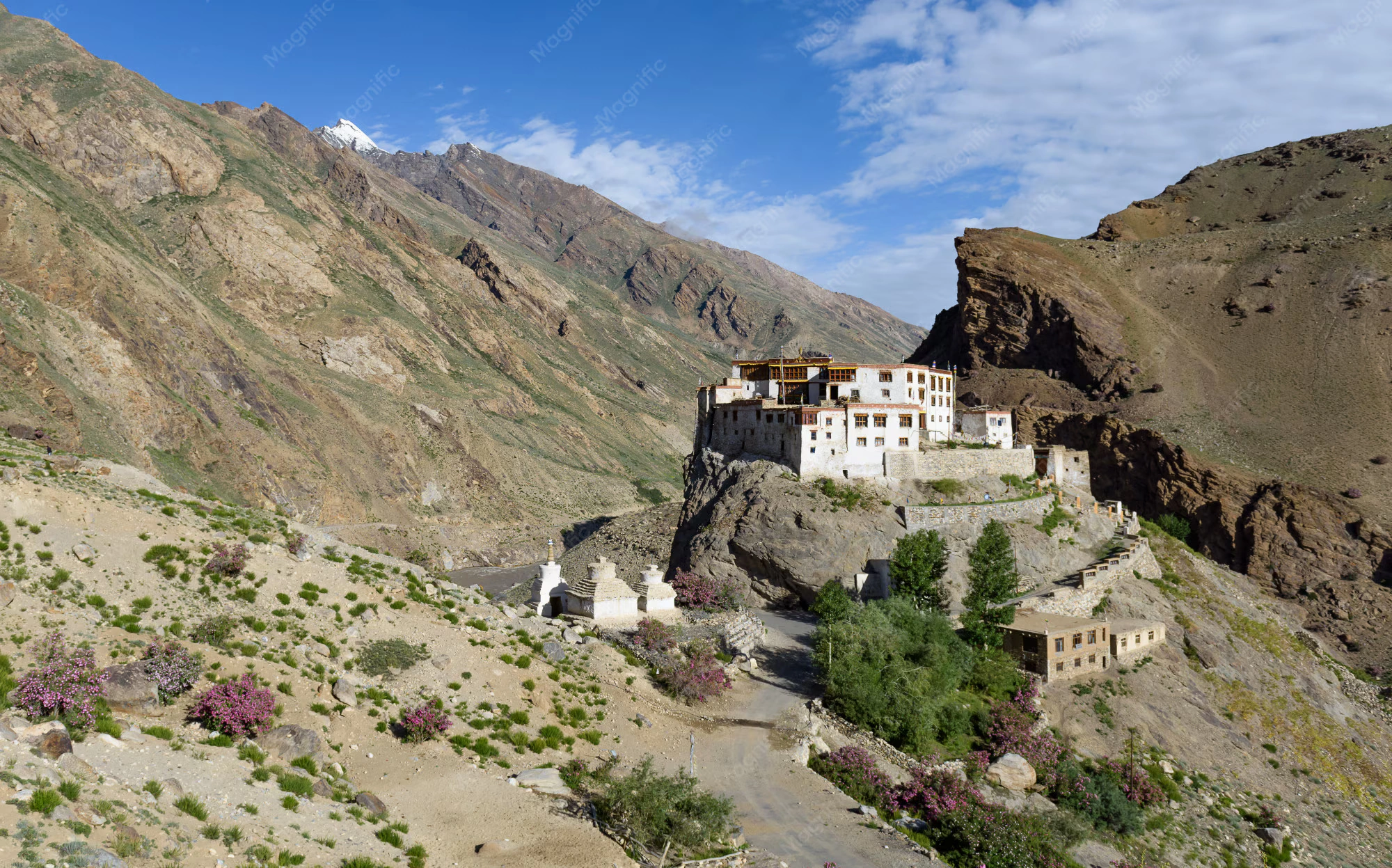
Unlike the more frequented monasteries in Leh, Bardan Monastery remains peaceful and less commercialized, making it a hidden gem for travelers exploring the deeper corners of Ladakh. Its spiritual aura, breathtaking views, and centuries-old traditions make it an essential stop in any Ladakh Travel Guide.
| Feature | Details |
|---|---|
| Location | Zanskar Valley, near Padum |
| District | Kargil District |
| Altitude | ~3,900 m above sea level |
| Founded | 17th Century |
| Buddhist School | Drukpa Kagyu |
| Founder | Drugpa Lama Naktsang |
| Best Time to Visit | May to September |
| Entry Fee | Free (donations appreciated) |
| Timings | 6:00 AM – 6:00 PM |
| Photography Rules | Allowed in outer areas; restricted inside prayer halls |
| Nearby Attractions | Padum, Stongdey Monastery, Karsha Monastery, Zanskar River |
| Distance from Leh | ~250–270 km (via road) |
History of Bardan Monastery
Founding History
Bardan Monastery was established in the 17th century during the flourishing period of Buddhism in Zanskar. It was built as a meditation retreat for monks seeking solitude in the Himalayas.

 9°C
9°C
- Temperature
- Rain Chance
- Wind

Founder and Lineage
The monastery is associated with the Drukpa Kagyu lineage, founded under the guidance of revered Buddhist masters, particularly Drugpa Lama Naktsang, who played a key role in spreading Buddhism in the region.
Important Historical Events
- Served as a meditation center for hermit monks
- Withstood harsh Himalayan winters and isolation for centuries
- Became a key spiritual hub in Zanskar
Role in Ladakh’s Buddhist Heritage
Bardan Monastery has preserved ancient Drukpa Kagyu teachings and continues to be an active monastic institution, contributing significantly to Monasteries in Ladakh heritage.
Legends and Folklore
Local legends say the monastery was chosen for its sacred energy, believed to be blessed by meditating masters who attained enlightenment in nearby caves.
Architecture and Design
Exterior Architecture
The monastery is built in traditional Tibetan style, with whitewashed walls, red ochre accents, and tiered structures blending into the rocky landscape.
Prayer Halls
Inside, the prayer halls are dimly lit and filled with the scent of butter lamps and incense, creating a deeply spiritual atmosphere.
Ancient Murals & Thangkas
The walls feature vibrant murals depicting:
- Buddha’s life stories
- Protective deities
- Tibetan Buddhist cosmology
Statues
Large statues of Lord Buddha and Guru Padmasambhava dominate the main halls.
Monastery Layout
- Main prayer hall
- Monk quarters
- Meditation caves
- Courtyards overlooking Zanskar Valley
Unique Artistic Elements
Intricate wood carvings and traditional Zanskari Buddhist artwork define its interiors.
Restoration Efforts
Local monks and heritage groups periodically restore murals and structures to preserve authenticity.
Religious Significance
Bardan Monastery is a vital center for Drukpa Kagyu Buddhism.
Buddhist Traditions Practiced
- Daily chanting of sutras
- Meditation retreats
- Ritual offerings
Important Deities
- Buddha Shakyamuni
- Guru Padmasambhava
- Protective Dharmapalas
Spiritual Importance
It is considered a powerful meditation site due to its isolation and natural surroundings.
Monastic Life
Monks follow a simple lifestyle focused on study, prayer, and meditation.
Daily Rituals
- Morning prayers before sunrise
- Evening butter lamp offerings
- Chanting sessions
What to See Inside Bardan Monastery
- Main Temple (Gompa Hall)
- Assembly Hall (for communal prayers)
- Ancient Buddha statues
- Wall murals and thangkas
- Monk meditation rooms
- Small library of Buddhist texts
- Courtyards with valley views
- Sacred relic corners
Festivals Celebrated at Bardan Monastery
Dosmoche Festival (Tibetan New Year Rituals)
- Usually in February or March
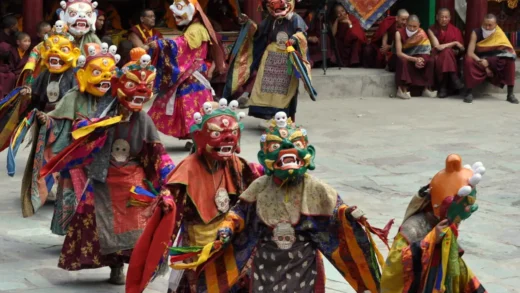
- Mask dances (Cham Dance)
- Rituals to ward off evil spirits
- Community prayers for peace
Guru Padmasambhava Day
- Celebrated with special prayers and offerings
- Chanting of sacred mantras
Cultural Importance
Festivals strengthen community bonds and preserve ancient Ladakhi Buddhist traditions.
Visitor Experience
Visitors can witness vibrant masked dances and traditional music in a spiritual setting.
Things to Do at Bardan Monastery
- Explore ancient prayer halls
- Meditate in quiet courtyards
- Photograph panoramic Zanskar Valley views
- Interact respectfully with monks
- Attend prayer sessions if allowed
- Walk around nearby cliffs and viewpoints
Photography Guide
Best Photo Spots
- Monastery exterior against mountain backdrop
- Zanskar River valley viewpoint
- Prayer flags fluttering in wind
Sunrise Photography
Golden light over rocky cliffs creates dramatic compositions.
Sunset Photography
Warm hues over the valley offer perfect silhouette shots.
Drone Regulations
Drones are generally discouraged; permission from authorities and monks is required.
Photography Etiquette
- Avoid flash inside prayer halls
- Do not disturb monks during rituals
- Always ask before photographing individuals
How to Reach Bardan Monastery
By Air
Nearest airport: Kushok Bakula Rimpochee Airport, Leh.
By Road
- Leh → Kargil → Padum → Bardan Monastery
- Roads open only in summer months
By Bike
Popular among adventure bikers; requires high-altitude riding experience.
By Taxi
Shared and private taxis available from Leh to Padum during tourist season.
By Public Transport
Limited bus services operate between Kargil and Padum.
Distance Chart
| Destination | Distance |
|---|---|
| Leh | ~250–270 km |
| Nubra Valley | ~350+ km |
| Pangong Lake | ~300+ km |
| Lamayuru | ~200 km |
| Kargil | ~160 km |
| Alchi | ~230 km |
| Diskit | ~360 km |
| Hanle | ~420+ km |
Best Time to Visit
Summer (May–June)
- Roads open
- Pleasant weather
- Ideal for trekking and sightseeing
Autumn (July–September)
- Clear skies
- Best photography conditions
- Stable road access
Winter (October–April)
- Extremely harsh cold
- Monastery often inaccessible
Spring (April–May)
- Snow begins melting
- Scenic landscapes return
Nearby Attractions
- Padum Valley (Zanskar’s main town)
- Stongdey Monastery
- Karsha Monastery
- Zanskar River rafting points
- Zangla Palace ruins
- Sani Monastery
- Remote trekking routes in Zanskar
Travel Tips
- Acclimatize properly before visiting Zanskar
- Carry warm clothing even in summer
- Respect monastery silence and traditions
- Donations help maintain monastery upkeep
- Mobile network is extremely limited
- No reliable ATM in nearby areas—carry cash
- Always travel with fuel and supplies backup
Lesser-Known Facts About Bardan Monastery
- Built near ancient meditation caves used by hermit monks
- One of the oldest Drukpa Kagyu centers in Zanskar
- Remains largely untouched by mass tourism
- Houses rare Buddhist manuscripts preserved for centuries
- Surrounded by natural cliff formations believed to be spiritually powerful
Why You Should Visit Bardan Monastery
Bardan Monastery offers an authentic Himalayan spiritual experience far from the crowded tourist circuits. Its raw beauty, deep silence, and living monastic traditions make it one of the most enriching stops in any Ladakh Tourism itinerary.
If you are exploring Things to Do in Ladakh beyond the usual destinations, this monastery gives you a rare chance to witness Buddhism in its purest, most untouched form.
Frequently Asked Questions
1. Where is Bardan Monastery located?
It is located in Zanskar Valley near Padum in Kargil District, Ladakh.
2. What is Bardan Monastery famous for?
It is known for its ancient Drukpa Kagyu Buddhist heritage and peaceful location.
3. How old is Bardan Monastery?
It dates back to the 17th century.
4. Is there an entry fee for Bardan Monastery?
No, entry is free, but donations are encouraged.
5. What is the best time to visit Bardan Monastery?
May to September is the best time due to accessible roads.
6. How difficult is the journey to Bardan Monastery?
It is moderately difficult due to long mountain roads and high altitude.
7. Can tourists stay near the monastery?
Yes, homestays and guesthouses are available in Padum.
8. Is photography allowed inside Bardan Monastery?
Photography is allowed in outer areas but restricted inside prayer halls.
9. Which is the nearest major town?
Padum is the nearest town.
10. What should I carry when visiting?
Warm clothes, cash, medicines, and essentials due to remote location.
Conclusion
Bardan Monastery is more than just a spiritual site—it is a living symbol of Ladakh’s ancient Buddhist heritage. Surrounded by dramatic Himalayan landscapes and deep silence, it offers a rare opportunity to disconnect from the modern world and reconnect with inner peace.
For travelers exploring Monasteries in Ladakh or planning a complete Ladakh Travel Guide itinerary, Bardan Monastery stands out as a must-visit destination that beautifully blends spirituality, history, and natural grandeur.