

Introduction
Nestled quietly in the scenic Sham Valley of western Ladakh, Wanla Monastery is one of the region’s lesser-known spiritual treasures. Surrounded by dramatic mountains and traditional Ladakhi villages, this ancient Buddhist monastery offers visitors an authentic glimpse into Ladakh’s religious heritage away from the crowds.
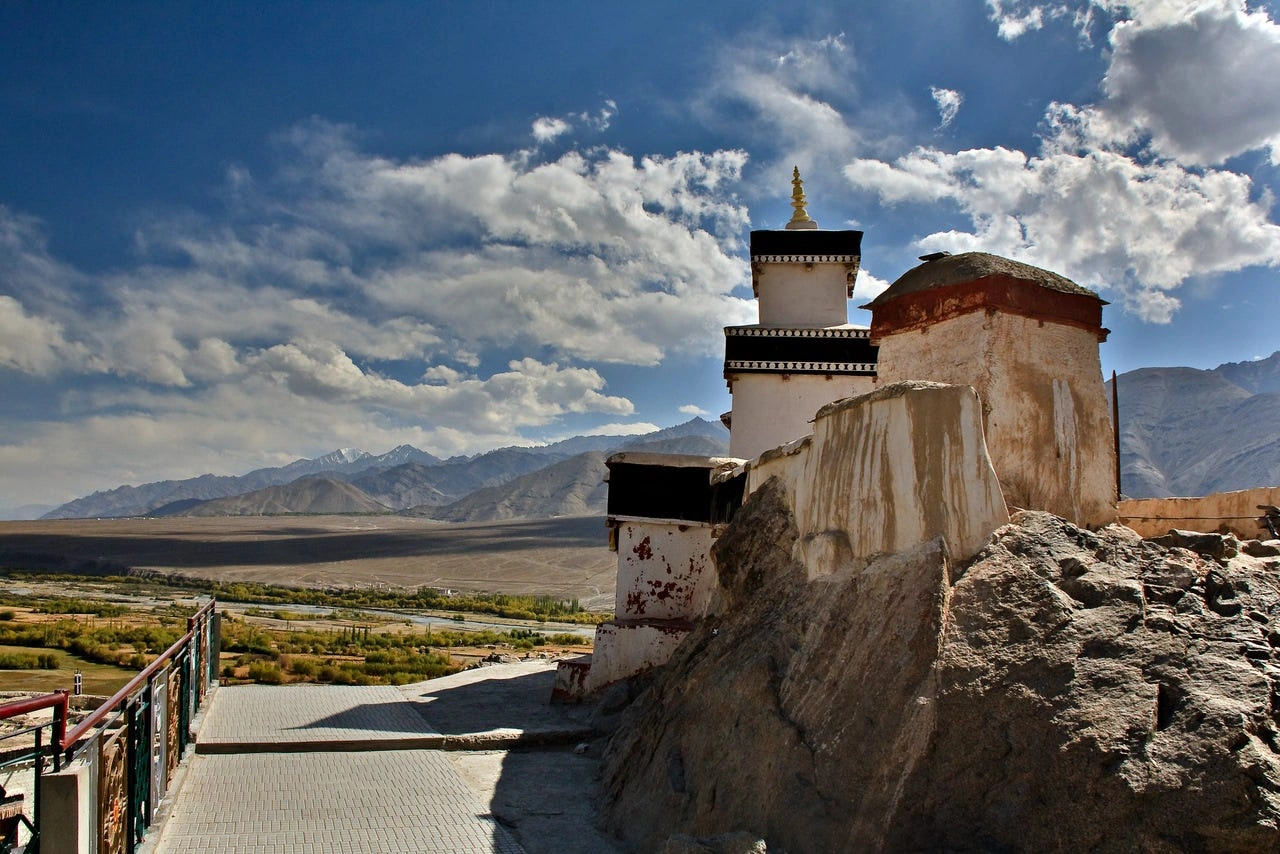
Unlike some of the more famous monasteries in Ladakh, Wanla Monastery remains peaceful and largely untouched by mass tourism. Its ancient murals, centuries-old architecture, and spiritual atmosphere make it an important destination for travelers seeking a deeper connection with Ladakh’s Buddhist culture.
| Detail | Information |
|---|---|
| Location | Wanla Village, Sham Valley, Ladakh |
| District | Leh District |
| Altitude | Approximately 3,150 meters (10,335 ft) |
| Founded | Around the 11th Century |
| Buddhist School | Drikung Kagyu Tradition |
| Founder | Believed to be associated with Rinchen Zangpo’s era and later Drikung masters |
| Best Time to Visit | May to September |
| Entry Fee | Usually Free (Donations Appreciated) |
| Timings | 7:00 AM – 6:00 PM |
| Photography Rules | Allowed in most outdoor areas; permission may be required indoors |
| Nearby Attractions | Lamayuru, Alchi, Basgo, Mangyu, Moonland |
| Distance from Leh | Approximately 125 km |
History of Wanla Monastery
Founding History
The origins of Wanla Monastery date back to approximately the 11th century, a period often referred to as the “Second Diffusion of Buddhism” in the Himalayan region. The monastery was established during an era when Buddhist teachings were being revitalized across Ladakh and Tibet.

 6°C
6°C
- Temperature
- Rain Chance
- Wind


Founder and Lineage
Although historical records vary, the monastery is often associated with the influence of the great translator Rinchen Zangpo, whose efforts led to the construction of numerous temples across Ladakh. Over time, the monastery became affiliated with the Drikung Kagyu school of Tibetan Buddhism.
Important Historical Events
For centuries, Wanla Monastery served as a local center for religious education and meditation. It survived political changes, regional conflicts, and harsh Himalayan conditions while preserving valuable Buddhist artwork and manuscripts.
Role in Ladakh’s Buddhist Heritage
Wanla Monastery played a significant role in spreading Buddhist teachings throughout the Sham Valley. It remains an active religious institution where monks continue traditional practices that have been preserved for generations.
Legends and Folklore
Local legends suggest that sacred masters meditated in caves surrounding the monastery. Villagers also believe protective deities continue to watch over the valley and its people, ensuring prosperity and spiritual well-being.
Architecture and Design
Exterior Architecture
The monastery rises dramatically from a rocky hillside overlooking Wanla Village. Built using traditional Ladakhi stone and mud-brick construction techniques, the structure blends seamlessly into its mountainous surroundings.
Prayer Halls
The main prayer hall features intricately carved wooden pillars, colorful ceiling decorations, and sacred Buddhist symbols. The atmosphere inside is serene and deeply spiritual.
Ancient Murals
Some of the monastery’s most remarkable treasures are its ancient murals depicting Buddhist deities, celestial beings, and spiritual teachings. These artworks provide valuable insights into medieval Himalayan art.
Thangkas
Beautiful thangka paintings adorn various chambers within the monastery. These sacred scroll paintings are used for meditation and religious instruction.
Statues
Visitors can admire statues of Buddha Shakyamuni, Avalokiteshvara, Padmasambhava, and other revered figures central to Tibetan Buddhism.
Monastery Layout
The monastery consists of multiple levels connected by narrow stairways, courtyards, meditation rooms, and prayer chambers.
Unique Artistic Elements
Ancient woodwork, faded frescoes, and traditional Buddhist iconography make Wanla Monastery particularly significant for art historians and cultural enthusiasts.
Restoration Efforts
Conservation projects have been undertaken in recent years to preserve the monastery’s aging murals and architectural features from environmental damage.
Religious Significance
Buddhist Traditions Practiced
Wanla Monastery follows the Drikung Kagyu tradition, emphasizing meditation, philosophical study, and spiritual discipline.
Important Deities
Key deities worshipped include:
- Buddha Shakyamuni
- Avalokiteshvara (Chenrezig)
- Padmasambhava
- Mahakala
- Tara
Spiritual Importance
The monastery serves as an important center for local Buddhist worship and community gatherings.
Monastic Life
Resident monks follow daily routines involving prayers, scriptural study, meditation, and participation in religious ceremonies.
Daily Rituals
Morning chants, butter lamp offerings, scripture recitations, and meditation sessions form an integral part of monastic life.
What to See Inside the Monastery
Main Temple
The heart of Wanla Monastery, containing sacred statues and prayer spaces.
Assembly Hall
A large gathering area where monks conduct communal prayers and ceremonies.
Buddha Statues
Several ancient statues reflect the artistic styles of medieval Ladakh.
Murals
Centuries-old wall paintings are among the monastery’s most valuable treasures.
Libraries
Some sections house religious manuscripts and Buddhist scriptures.
Courtyards
Peaceful courtyards provide excellent opportunities to observe monastic life.
Viewpoints
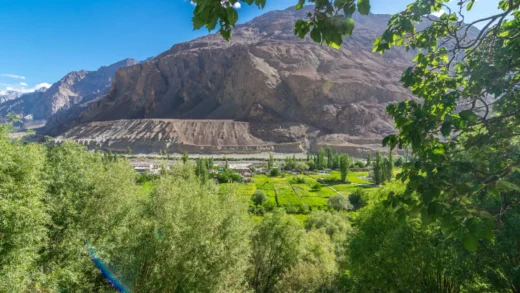
The monastery offers panoramic views of the surrounding Sham Valley.
Sacred Relics
Visitors may encounter sacred relics and ritual objects used during ceremonies.
Festivals Celebrated at Wanla Monastery
Annual Religious Festivals
The monastery participates in traditional Buddhist festivals observed throughout the region.
Ritual Ceremonies
Special prayers are conducted for prosperity, health, and spiritual blessings.
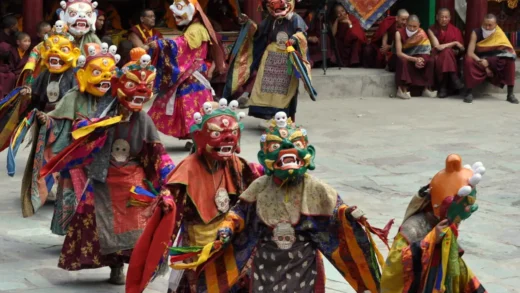
Mask Dances
Cham dances performed by monks symbolize the triumph of wisdom over ignorance.
Cultural Importance
These festivals strengthen community bonds and preserve Ladakh’s unique cultural identity.
Visitor Experience
Tourists visiting during festival periods can witness vibrant costumes, sacred rituals, traditional music, and local celebrations.
Things to Do at Wanla Monastery
- Explore ancient Buddhist architecture.
- Observe monks performing daily rituals.
- Study historic murals and artworks.
- Enjoy photography of the monastery and valley.
- Experience meditation and peaceful reflection.
- Visit nearby villages to learn about Ladakhi culture.
- Combine your trip with Lamayuru and Alchi Monasteries.
- Enjoy scenic drives through Sham Valley.
Photography Guide
Best Photo Spots
- Monastery entrance
- Rooftop viewpoints
- Village surroundings
- Valley panoramas
Sunrise Photography
Early morning light beautifully illuminates the monastery’s hillside setting.
Sunset Photography
Golden-hour lighting creates dramatic contrasts against the rugged mountains.
Drone Regulations
Drone use may require special permissions from local authorities. Always verify current regulations before flying.
Photography Etiquette
- Ask before photographing monks.
- Respect restricted areas.
- Avoid flash photography near ancient murals.
- Maintain silence during prayer sessions.
How to Reach Wanla Monastery
By Air
The nearest airport is Kushok Bakula Rimpochee Airport in Leh. From Leh, visitors can continue by road.
By Road
Wanla is connected by the Srinagar-Leh Highway and internal Ladakh roads. The drive from Leh takes approximately 3–4 hours.
By Bike
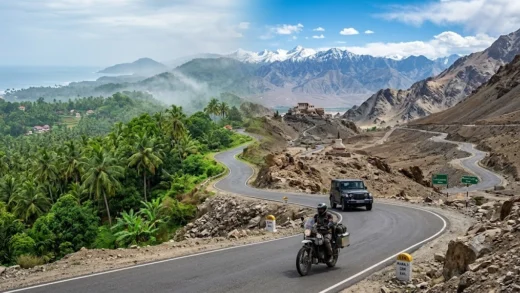
Motorcycle enthusiasts often include Wanla Monastery as part of their Sham Valley road trip itinerary.
By Taxi
Private taxis are readily available from Leh for day trips or extended sightseeing tours.
By Public Transport
Limited buses operate between Leh and villages along the Sham Valley route. Shared taxis are often the most convenient public option.
Distance Chart
| Destination | Distance to Wanla Monastery |
|---|---|
| Leh | 125 km |
| Nubra Valley | 250 km |
| Pangong Lake | 290 km |
| Lamayuru | 30 km |
| Kargil | 95 km |
| Alchi | 50 km |
| Diskit | 255 km |
| Hanle | 380 km |
Best Time to Visit
Summer (May–August)
The most popular season with pleasant temperatures, clear skies, and excellent road conditions.
Autumn (September–October)
Beautiful landscapes, fewer tourists, and comfortable weather make autumn ideal for photography.
Winter (November–March)
The monastery becomes quieter and snow-covered, but road access may be challenging.
Spring (April)
Melting snow and blooming vegetation create scenic landscapes, though temperatures remain cool.
Nearby Attractions
Lamayuru Monastery
One of the oldest Buddhist monasteries in Ladakh, famous for its spectacular Moonland landscape.
Alchi Monastery
Renowned for its exquisite murals and ancient artistic heritage.
Basgo Monastery
A historic fortress-monastery offering impressive views and cultural significance.
Mangyu Monastery
A hidden gem featuring ancient Buddhist artwork and architecture.
Lamayuru Moonland
An extraordinary landscape resembling the surface of the moon.
Travel Tips
Acclimatization
Spend at least 24–48 hours in Leh before visiting higher-altitude destinations.
Clothing
Dress in layers as temperatures can fluctuate dramatically.
Respectful Behavior
Maintain silence in prayer areas and respect local customs.
Donations
Voluntary donations help support monastery maintenance and restoration.
Photography Restrictions
Always seek permission before photographing religious ceremonies.
Mobile Network
Connectivity can be limited. BSNL and Jio generally provide the best coverage.
ATM Availability
ATMs are scarce outside Leh. Carry sufficient cash.
Lesser-Known Facts About Wanla Monastery
- Wanla Monastery receives far fewer visitors than many famous monasteries in Ladakh.
- Some murals date back several centuries and represent rare artistic traditions.
- The monastery overlooks an ancient trade route once connecting villages across western Ladakh.
- Traditional Buddhist ceremonies continue largely unchanged from previous generations.
- The surrounding valley contains several meditation caves associated with local legends.
Why You Should Visit Wanla Monastery
Among all the monasteries in Ladakh, Wanla Monastery offers one of the most authentic experiences. Its peaceful atmosphere, historical significance, remarkable artwork, and stunning Himalayan setting make it a rewarding destination for travelers interested in Buddhism, culture, photography, and history. Unlike heavily visited sites, Wanla allows visitors to experience the spiritual essence of Ladakh in a quiet and intimate setting.
Frequently Asked Questions
1. Where is Wanla Monastery located?
Wanla Monastery is located in Wanla Village in Ladakh’s Sham Valley, about 125 km from Leh.
2. Which Buddhist school does Wanla Monastery belong to?
It follows the Drikung Kagyu tradition of Tibetan Buddhism.
3. Is there an entry fee?
Generally, there is no fixed entry fee, although donations are appreciated.
4. How old is Wanla Monastery?
The monastery dates back to approximately the 11th century.
5. Can tourists visit throughout the year?
Yes, but summer and autumn provide the best accessibility.
6. Are photography and videography allowed?
Photography is usually permitted outdoors, while indoor photography may require permission.
7. How much time should I spend at the monastery?
Most visitors spend between one and two hours exploring the site.
8. Can I combine Wanla with other monasteries?
Yes, Wanla is commonly visited along with Lamayuru, Alchi, and Basgo.
9. Is Wanla Monastery suitable for families?
Yes, families interested in culture and history will enjoy visiting.
10. Why is Wanla Monastery important?
It preserves centuries-old Buddhist traditions, rare artworks, and an important part of Ladakh’s spiritual heritage.
Conclusion
Wanla Monastery stands as a remarkable reminder of Ladakh’s rich Buddhist legacy. Perched above a picturesque Himalayan village, it combines history, spirituality, architecture, and natural beauty in a way few destinations can match. Whether you are exploring monasteries in Ladakh, following a comprehensive Ladakh Travel Guide, or searching for unique Things to Do in Ladakh, Wanla Monastery deserves a place on your itinerary. Its tranquil atmosphere, ancient treasures, and timeless traditions make it one of the most rewarding cultural experiences in Ladakh Tourism.